

by Luke Cronin
Share
by Luke Cronin
Share
Enhancing your home with additions or renovations can increase its value and functionality. This often requires the expertise of a structural engineer. If you’re in Denver, Colorado, this guide will help you understand the role of a structural engineer and why they’re crucial to your home projects.
Why Do You Need a Structural Engineer in Denver, Colorado?
When you’re looking to upgrade your home in Denver, a structural engineer isn’t just a nice-to-have; they’re a must-have. These pros make sure your home stays safe and sound when you’re diving into projects that involve more than just a new coat of paint. Consider them the guardians of your house’s bones, whether you’re building out, tearing down, or converting spaces.
Take home additions and remodels, for example. Adding a new room or knocking down walls can’t happen without ensuring the existing structure can handle the changes. A structural engineer steps in to prevent any “uh-oh” moments. Similarly, if you’re eyeing a wall that seems a bit too load-bearing for your plans, they’re the ones who can give you a definitive answer on what stays and what goes.
Think bigger—like converting a crawlspace to a basement. This isn’t a weekend warrior project. It involves looking at soil types, drainage needs, and other nitty-gritty details to avoid future disasters like flooding. A structural engineer designs these conversions to fit Denver’s unique building codes and ensures your foundation doesn’t start pulling Houdini tricks.
Simply put, for a home project in Denver that won’t come back to bite you, having a structural engineer on board makes all the difference. Their expertise keeps your project standing strong, no matter how ambitious your plans.
How Much Does a Structural Engineer Cost in Denver?
The cost of enlisting a structural engineer in Denver isn’t set in stone, it’s often shaped by the specifics of your project. Typically, you can expect rates between $100 to $200 per hour. If you’re eyeing something substantial, like a full home inspection or a detailed design consultation, the figures might jump to the $300 to $500 range.
The cost hinges on a couple of key factors:
- Project complexity: Intricate designs or extensive alterations usually come at a premium.
- Time requirements: The longer an engineer needs to be involved, the higher your bill.
- Certifications and reports: Projects needing specialized documents or certification will likely cost more.
To keep surprises at bay, get a detailed quote from local professionals. It’s a practical way to keep your numbers aligned with your expectations.
What Does a Structural Engineer Do For a Home Project?
Structural engineers wear many hats when it comes to home projects. They’re the unsung heroes who ensure your remodeling dreams don’t collapse, literally. Their tasks often start with on-site evaluations, where they take a good, hard look at your current structure. They’re the folks measuring, scanning, and generally poking around to identify any potential issues or opportunities.
Next up, they dive into the design phase. Here, they work out how to make your vision a safe reality, sketching plans that adhere to the stringent local building codes Denver is known for. Whether it’s knocking down a pesky wall, mapping out a spacious new living room, or adding another floor, they’ve got you covered.
For those dreaming of going vertical, structural engineers ensure adding a second story won’t turn your house into a house of cards. They make sure the foundation and existing structure can handle the extra load, avoiding any “oops” moments when it’s too late.
Bottom line: they handle the heavy lifting so your projects don’t end up a heavy regret. Want the full scoop? Check out the detailed guidance, “What Does a Structural Engineer Do for a Home Project?”
Can a Crawlspace Be Turned into a Basement?
Yes, converting a crawlspace to a basement is possible, but it is a complex process that requires careful planning and execution. Here’s a breakdown of what it involves:
Initial Assessment
- Feasibility Study: A structural engineer will assess the feasibility of conversion by examining:
- The current foundation
- Soil type
- Drainage requirements
- Detailed Plans: The engineer will provide detailed plans to prevent issues like flooding or foundation instability.
Benefits
- Usable Space: Transformation adds valuable living or storage space.
- Resale Value: Increases the resale value of your home.
The Conversion Process
- Depth Requirement: Depth is crucial; the process begins with depth evaluation.
- Foundation Assessment: Engineers scrutinize soil composition and drainage habits.
- Foundation Enhancement: Once approved, it’s essential to shore up the existing foundation to handle the new load.
- May involve underpinning techniques or using new materials for reinforcement.
Regulatory Considerations
- Local Regulations: A trusted engineer will help navigate local regulations and building codes.
- Factors like Denver’s frost line and potential flooding areas must be considered.
The objective is to create a basement that not only offers extra square footage but also provides peace of mind. While making your crawlspace work for you can be rewarding, it’s essential to approach the process smartly and with the right professional guidance.
What Is a Pop Top Addition?
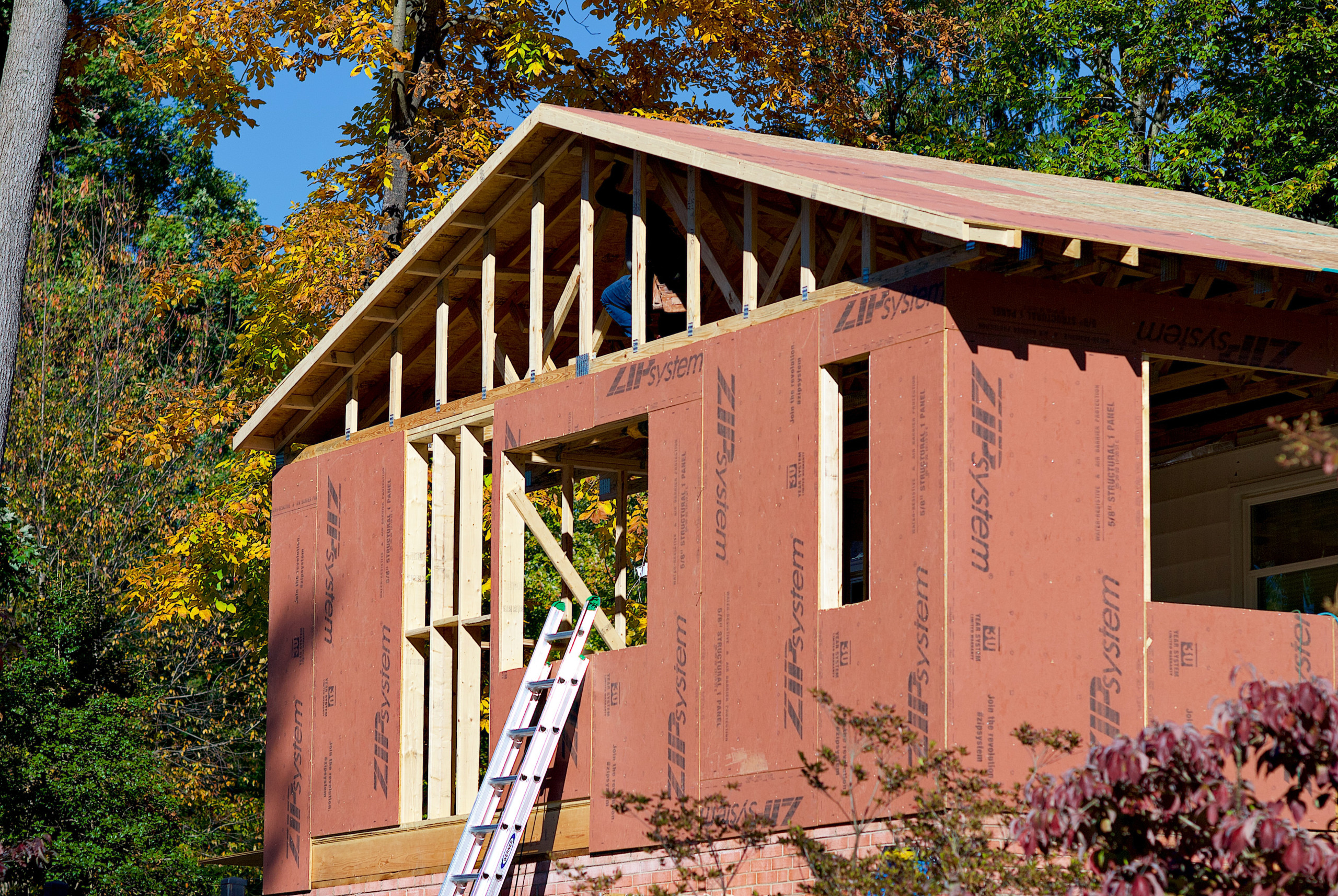
A pop top addition is a smart way to expand your living space vertically by adding a new floor instead of extending outward. This approach is perfect for homeowners who need more room but can’t increase their property’s footprint due to lot size or zoning restrictions.
The process essentially involves lifting the existing roof to construct an additional level. This can provide you with extra bedrooms, a home office, or even an entertainment area without sacrificing outdoor space. One of the big draws of a pop top is the potential for panoramic views, especially appealing in a city like Denver, where the scenery can be a major perk.
Here’s where the expertise of a structural engineer becomes essential. They assess whether your current home structure can handle the added weight and ensure everything aligns with building codes and local regulations. They’ll also consider aspects like load distribution and the integration of electrical and plumbing systems. In short, a structural engineer ensures your new addition is safe, stable, and up to code.
How to Find a Structural Engineer Near You
Searching for a structural engineer nearby might feel daunting, but a few straightforward steps can guide you to the right professional:
- Ask for recommendations: Trust goes a long way, so start by tapping into your network. Friends, family, or folks in the construction business can point you to reputable engineers they’ve worked with before.
- Use professional directories: Several online directories are focused on Denver-based professionals. Sites like HomeAdvisor or Angie’s List can provide names, reviews, and contact information to get you started.
- Check credentials and experience: Don’t just stop at names. Make sure the engineer you consider has the necessary expertise in residential projects. This involves checking their licenses, certifications, and any relevant past work in home projects like yours.
Need more tips on hiring a reliable engineer? “Hiring A Designer For Renovation? When You Need An Engineer” offers some insightful guidance.
FAQs About Structural Engineering
How much does it cost to have a structural engineer come out to your house?
You’re looking at spending anywhere between $300 and $1,000. The exact price depends on how complicated your project is and how long the engineer spends assessing it. Simple consultations are on the cheaper end, while comprehensive evaluations can hit the higher range.
Can structural engineers assist with home addition plans?
For sure. Structural engineers are your go-to folks for ensuring your home additions don’t just look good on paper but also stand up to various forces. They handle the design and determine what your structure can handle, making sure everything is solid and up to code.
What should I consider before converting a crawlspace to a basement?
Start with a structural engineer’s evaluation. They’ll take a hard look at your foundation, analyze soil conditions, and check drainage possibilities. This groundwork is essential to prevent problems like water intrusion or structural instability down the road.