

by Luke Cronin
Share
by Luke Cronin
Share

Many homeowners in Denver want to remove walls to create open floor plans—but removing a load-bearing wall without professional evaluation can cause structural damage or collapse. In this guide, we explain how to identify load-bearing walls and when to consult a structural engineer.
Table of Contents
- Introduction to Load-Bearing Walls
- Why Identifying Load-Bearing Walls Matters
- Key Features of Load-Bearing Walls
- Using Design Plans and Blueprints
- Physical Inspections and Indicators
- Non-Load Bearing Walls
- Consulting a Professional Engineer
- Conclusion
Introduction to Load-Bearing Walls
Alright, let’s cut to the chase: a load-bearing wall is a wall that, just like it sounds, bears load. This isn’t about superficial weight; it’s about the heavy lifting—supporting your house’s structure from the floor up to the roof. Get this wrong and you’re looking at some serious structural mishaps.
Definition:
So, here’s the lowdown. A load-bearing wall is designed to support the weight of the structure above it. We’re talking about the roof, the upper floors, and everything in between. Remove or alter these without a solid plan, and you risk messing with the stability of your entire home.
Importance:
Why should you care? Good question. These walls are the backbone of your Colorado home. They transfer the load from the roof, down through the floors, and finally into the foundation. Knock one out without proper precautions, and you’re basically pulling a Jenga block from the bottom—eventually, it’s coming down, just not in the fun way.
Learn more about the fundamental principles of load-bearing walls.
Got it? Great, let’s keep rolling and make sure your renovation plans don’t turn your cozy home into a risky game of structural roulette.
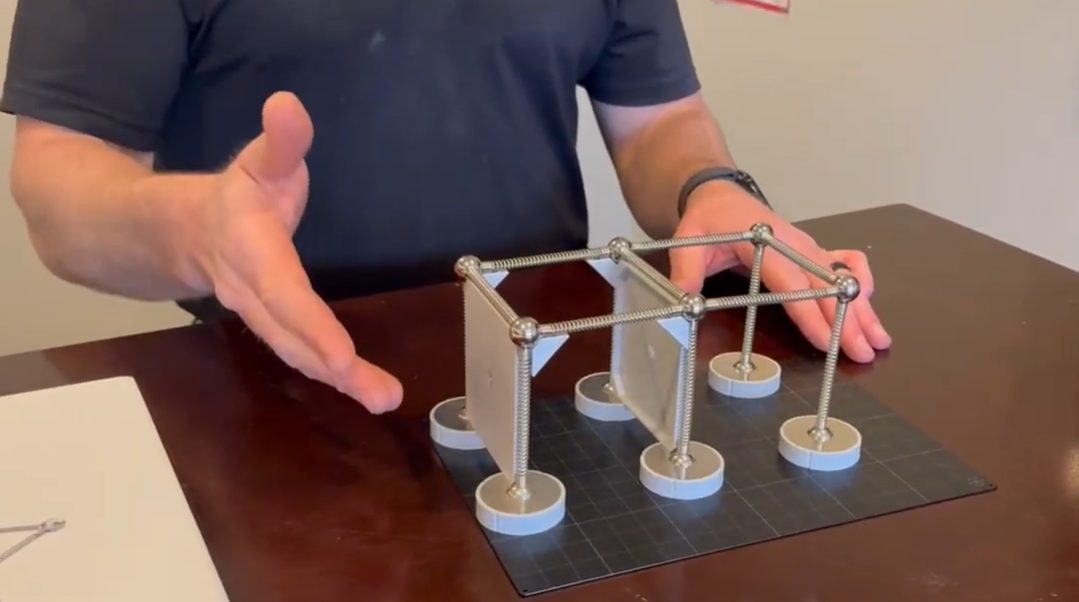
Prefer a visual explanation? This short video explains what load-bearing walls are and why they’re critical to your home’s structure.
Why Identifying Load-Bearing Walls Matters
Identifying load-bearing walls is critical because the stakes are high.
Safety
First and foremost, safety is the priority. Load-bearing walls do the heavy lifting, literally—they support the weight of the floors, roof, and the structure above. Removing or tampering with one without proper knowledge or safeguards can lead to disastrous structural failures. Imagine a house of cards collapsing; that’s your home if a key load-bearing wall is removed improperly. Best case scenario: cracks and sagging. Worst case: catastrophic collapse.
Planning
Next is planning. When you know which walls are load-bearing, you can map out your renovation plans effectively. This knowledge prevents unwelcome surprises halfway through a project. For instance, if you’re looking to create an open-concept living space, identifying load-bearing walls allows you to plan around their removal safely, possibly integrating beams or supports as necessary.
“Failing to plan is planning to fail,” they say. Knowing your load-bearing walls means you can plan your dream renovation with confidence, all while maintaining the integrity of your house. Always consult a professional to cross-check your findings and ensure every step you take is a smart one.
Key Features of Load-Bearing Walls
Indicators:
- Location: The most telling sign of a load-bearing wall is its orientation. These walls are often found perpendicular to floor joists or beams. Take a look at the structure’s skeleton: if a wall intersects or runs across the path of structural beams, it’s likely doing some heavy lifting.
- Thickness: Load-bearing walls tend to be thicker than the average partition walls. Standard interior walls might be framed with 2×4 lumber, but you’ll often find load-bearing walls made from more substantial materials or thicker frames.
- Materials: The composition of the wall can also clue you in. Concrete and brick are materials known for their strength and are commonly used in load-bearing walls. If the wall in question is constructed from these, there’s a good chance it’s supporting weight.
Internal Clues:
- Basement and Attic Clues: Basements and attics are gold mines for identifying load-bearing walls. In the basement, look for walls that support beams or joists from above. In the attic, notice which walls these beams and joists meet—they’re usually directly under load-bearing walls.
- Midline Location: Homes often have a central load-bearing wall that carries the bulk of the structural weight. If a wall runs near the centerline of the house, it’s more likely to be load-bearing than walls towards the outer edges.
By familiarizing yourself with these signatures, you can navigate your home renovation with confidence, sidestepping the costly and dangerous mistake of taking down a load-bearing wall without proper precautions.
Using Design Plans and Blueprints
Using design plans and blueprints is like having a cheat sheet for your home’s structural secrets. These documents are your best friend when it comes to identifying load-bearing walls because they give you a visual layout of the structural elements. Here’s how to make the most of them:
Steps:
- Locate Floor Plans: Start by digging up the original blueprints or floor plans of your home. If you don’t have them, check with your local building department, previous owner, or the architecture firm that designed your home.
- Identify Structural Elements: Scan the blueprints for key symbols indicating structural components like beams, columns, and load-bearing walls. These are usually marked distinctly, often with thicker lines or specific notations.
- Consult Legends: Every blueprint comes with a legend—a handy guide to understanding what each symbol and line type represents. Equip yourself with this knowledge to distinguish between load-bearing and non-load-bearing walls.
Blueprint Perks:
Blueprints are a treasure trove of details about your home’s support structures. They provide exact locations and specifications of elements that are crucial for maintaining the integrity of your house. With these documents, you can verify which walls contribute to the overall strength and stability of your home, making your renovation planning more precise and safer.
Physical Inspections and Indicators
Getting hands-on with the structure of your Denver home can provide crucial insights into which walls are load-bearing. This isn’t about guesswork; there are clear, physical signs that can guide you.
Common Signs
- Beam Support: Probably the most telling sign. If a wall runs underneath or directly supports a beam, it’s almost certainly load-bearing. These beams distribute the weight of the home, and the walls underneath help to transfer this load down to the foundation.
- Multiple Stories: Walls that stack on top of each other from the basement up through the floors to the roofline are often load-bearing. This vertical alignment indicates their role in supporting the structure.
- Exterior Walls: In most cases, the walls around the perimeter of your home are load-bearing. They support the outer framework, making them crucial for structural integrity.
Tips for Inspection
- Check for Joists: Head to your attic or basement and check how floor or ceiling joists rest on the walls below. If joists end on or rest upon a wall, that wall is likely load-bearing. The joists can be relatively straightforward to identify—long, horizontal boards or metal structures running parallel to each other.
- Probing with Tools: Modern tech can make this easier. Use a stud finder to locate the internal supports within a wall. If you identify continuous studs or other structural materials, this can be a solid indicator the wall bears load. While a simple knock can sometimes hint at density, using proper tools provides a much clearer picture.
Understanding these physical indicators and signs can significantly reduce the risk of compromising your home’s structure during renovations. Balanced with other methods mentioned in this guide and when in doubt, consulting with a professional, these inspections empower you with the knowledge to proceed confidently.
Non-Load Bearing Walls
Characteristics:
- Interior Walls: Non-load bearing walls are typically found within the interior layout of your home. They often use lighter materials like 2×4’s, single top plates, etc., if they are “floating” walls in the basement (not sitting on a slab or footing) they are not load bearing.
- No Support Function: These walls do not carry any part of the structure’s weight. Their primary function is to divide spaces, making them more flexible for remodeling or renovation projects.
- Flexible for Renovation: Because they don’t support the structural load of your house, non-load bearing walls can be removed or modified without significant consequences. This flexibility allows for easier and less expensive changes to your home.
Verification:
- Double-Check: Before you grab a sledgehammer, take the time to ensure a wall is indeed non-load bearing. Revisit the steps laid out in this guide—like checking your blueprints, inspecting floor joists and beams, and using tools such as a stud finder.
- Consultation: For added peace of mind, consider consulting an experienced contractor or engineer to verify your findings. It’s a straightforward way to avoid any unwanted surprises during your renovation process.
Consulting a Professional Engineer
Steps to Take:
When it comes to pinpointing load-bearing walls, consulting a professional engineer is a smart move. Here’s how you can proceed:
- Hire Expertise: Look for a Colorado licensed structural engineer with experience in residential buildings. A professional can provide a detailed analysis that you might miss on your own. This is especially important if your house has complex designs or modifications from previous owners.
- Obtain Permits: In most areas, significant modifications to load-bearing walls will require permits. An engineer’s report can speed up this process, offering a professional assessment that satisfies regulatory requirements. This step is not just bureaucracy; it ensures that your renovation plans comply with local building codes.
- Get Documentation: Ensure that you receive written proof and detailed diagrams from the engineer. This documentation will be crucial for your records, future renovations, or even when selling your home. It serves as peace of mind, confirming that changes to your home were executed under professional guidance.
Consulting a professional can save you from costly errors and ensure your renovations are safe. By following these steps, you can proceed with your home improvement projects with confidence, knowing that you’ve covered all the bases.
Conclusion
Understanding and identifying load-bearing walls is vital for any homeowner or renovator. By using the above methods, you can confidently determine which walls are safe to alter and which are not. Always consider professional advice when in doubt to ensure the structural safety of your home.
Removing a non-load-bearing wall can open up your living space and bring a fresh look to your home without compromising its integrity. In contrast, tampering with a load-bearing wall can lead to disastrous consequences if not handled properly. Therefore, it’s essential to utilize tools like design plans, blueprints, and physical inspections to assess the structure of your home accurately.
Remember, there’s no substitute for expert consultation. A professional engineer can provide invaluable insights and the peace of mind that comes with knowing your renovations are both safe and compliant with local building codes. This small investment can save you from larger, costlier problems down the line.
In summary, take the time to learn and identify your home’s load-bearing walls. It’s a crucial step in planning any renovation and ensuring the longevity and safety of your Colorado home. For more renovation tips, check out Engineering Tips For Your Dream Home Renovation. Happy renovating!
Load-Bearing Wall FAQs for Home Renovations
How can I tell if a wall is load-bearing in my home?
A wall may be load-bearing if it:
-
Runs perpendicular to floor or ceiling joists
-
Is located near the center of the home
-
Aligns with a beam or support wall in the basement
-
Is an exterior wall
These are only indicators. The most reliable way to determine if a wall is load-bearing is to review structural drawings or have a structural engineer evaluate the framing.
Are exterior walls always load-bearing?
In most residential construction, exterior walls are load-bearing because they support roof and floor systems. However, some modern designs use beams or engineered framing that redistribute loads differently. Always verify before making structural changes.
Can you remove a load-bearing wall safely?
Yes — a load-bearing wall can be removed if the structural load is properly transferred to a beam and, if required, posts and foundation support. This process requires structural calculations and typically a building permit.
Never remove a wall until its structural role has been confirmed.
What happens if you remove a load-bearing wall without support?
Removing a structural wall without proper reinforcement can lead to:
-
Sagging floors or ceilings
-
Cracked drywall
-
Sticking doors and windows
-
Structural instability
-
Potential partial collapse
Damage may develop gradually, making repairs more expensive over time.
Do I need a permit to remove a load-bearing wall?
In most municipalities, yes. Removing or modifying a load-bearing wall requires:
-
Engineered structural drawings
-
A building permit
-
Inspections during construction
Working with a structural engineer helps ensure compliance with local building codes.
How much does it cost to remove a load-bearing wall?
Costs vary depending on:
-
The width of the opening
-
Beam size and material
-
Whether posts are required
-
Whether foundation reinforcement is needed
-
Accessibility during construction
Because structural work affects your home’s integrity, professional design is essential.
Should I hire a structural engineer to inspect a wall before renovation?
Yes. If you are planning to remove, modify, or open up a wall, a structural engineer can determine whether it is load-bearing and provide engineered solutions for safe modification.
If you’re planning a renovation, Cronin Engineering provides structural assessments and engineered designs for safe wall removal. Review one of their Load-Bearing Wall Removal projects for more insight on their work.