

by Luke Cronin
Share
by Luke Cronin
Share
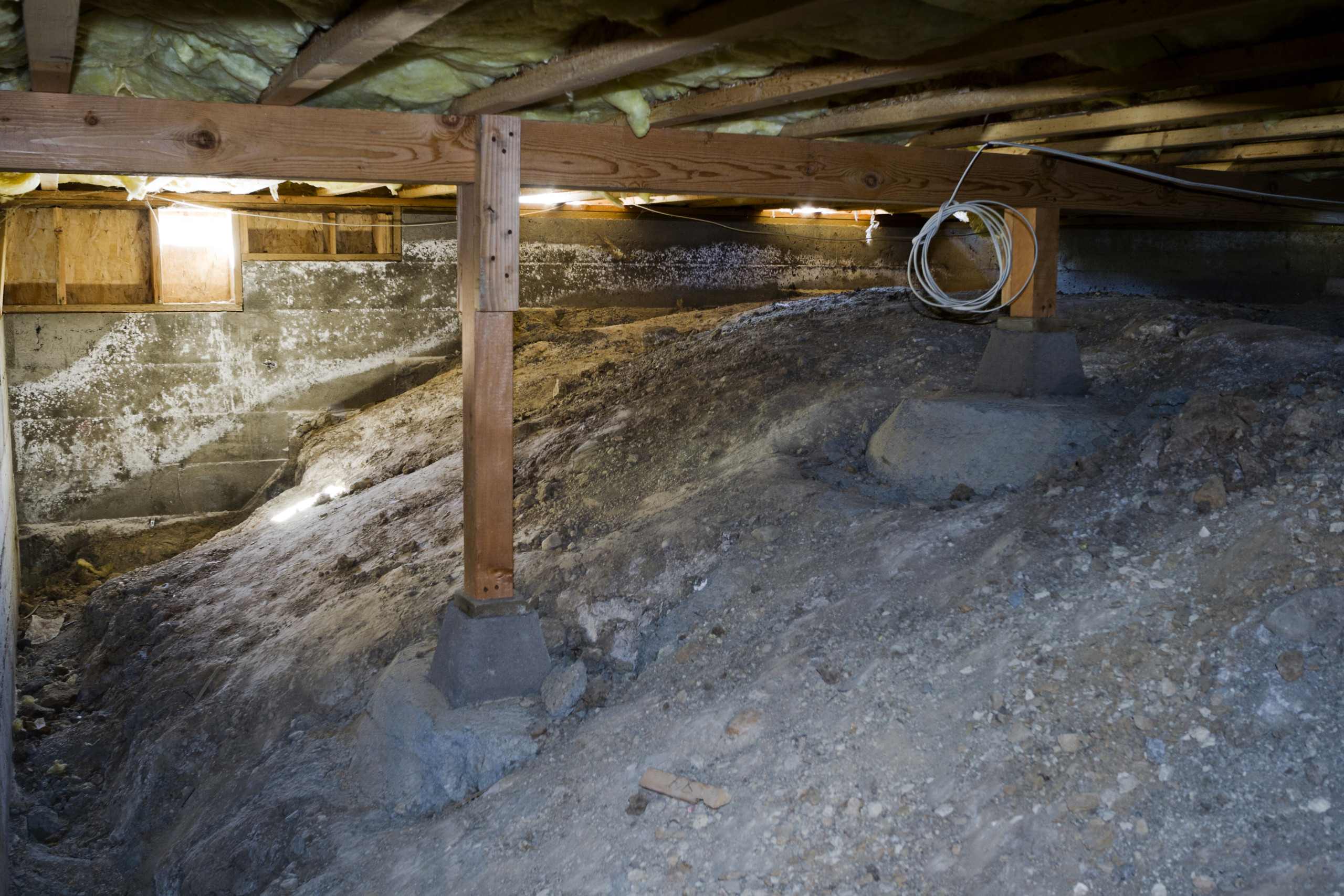
Want more space in your Denver home? Think about converting a crawl space into a basement. This option doesn’t just offer more room, but can also boost your home’s value. Keep in mind, though, that this project involves some challenges. Let’s discuss the steps involved in digging out a basement, the codes, and the professionals you need for a successful conversion.
Benefits of Converting a Crawl Space to a Basement
Transforming a crawl space into a basement is more than just an expansion; it’s a strategic upgrade for your home.
- Increased Living Space: Picture turning that dusty, forgotten expanse under your feet into something incredible. A playroom for the kids? An extra bedroom? Maybe even a home gym? The possibilities are as vast as your imagination, and each comes with the bonus of expanding your living space without altering your home’s footprint.
- Increased Home Value: A finished basement isn’t just about aesthetics or utility; it’s an investment that can boost your property value. Buyers tend to look favorably on homes with that extra bit of room, often willing to pay a premium for the added square footage. Consider it a way to enhance your home’s appeal on the market.
- Energy Efficiency: Properly insulated and finished basements can contribute to your home’s overall energy efficiency. By acting as an additional barrier between your living spaces and the outside world, a well-done basement helps maintain comfortable indoor temperatures with less strain on your heating and cooling systems. It’s not just about having more room, it’s about making your home smarter and environmentally friendly.
In essence, the conversion of a crawl space is more than structural; it’s an enhancement of your home’s potential. With benefits that span practical, financial, and ecological, it’s a decision that advances your home on multiple fronts.
Initial Considerations
Before breaking ground, you need to consider a few integral aspects:
- Feasibility: First, tackle the question: “Can you add a basement to an existing crawl space?” Not every crawl space is a candidate for conversion. Factors such as soil type, water table levels, and the existing foundation’s condition will play big roles. You’ll need a thorough assessment to determine if your property can handle such a transformation.
- Cost Versus Value: Think about the investment side of things by evaluating: “Is it worth digging out a crawl space?” While digging out a basement can boost your home’s value considerably, it’s important to weigh this against the costs. Consider not just the financial returns, but also the intangible benefits like enhanced living space and comfort.
- Regulatory Requirements: Denver’s building code should become your familiar companion. This is no small task, and regulations are in place to ensure safety and structural integrity. Start by understanding these requirements and how they apply to your specific project. It will save you headaches later.
Before you pick up a shovel, give these elements some serious thought, each one will significantly impact the scope and success of your project.
Involve the Right Professionals
Hiring a Structural Engineer
Get a structural engineer on board early. They’re not just good to have; they’re essential. This guide “How to Find the Right Denver Structural Engineer For Your Home” is a great way to know how you’re picking the right person. You want someone who knows the ropes of Denver’s unique soil and building conditions. The engineer will assess how digging affects your house’s structural integrity. They’ll detail how to stabilize the foundation and what underpinning methods make sense for your project. Plus, they’ll guide you through Denver’s building codes, ensuring everything’s up to snuff, so you’re not hit with fines or stop work orders down the line.
Consulting with Contractors
Contractors bring the plan to life or, in this case, underground. They manage everything from digging out the crawl space to physically lowering the basement. You’ll want to choose a team with a solid track record in crawl space conversions, especially in Denver. These projects aren’t just about moving dirt; they need a careful approach to avoid compromising your home’s structure. Look for contractors with specific experience and good reviews. Having that reputation is more valuable than saving a little bit of money.
The Construction Process
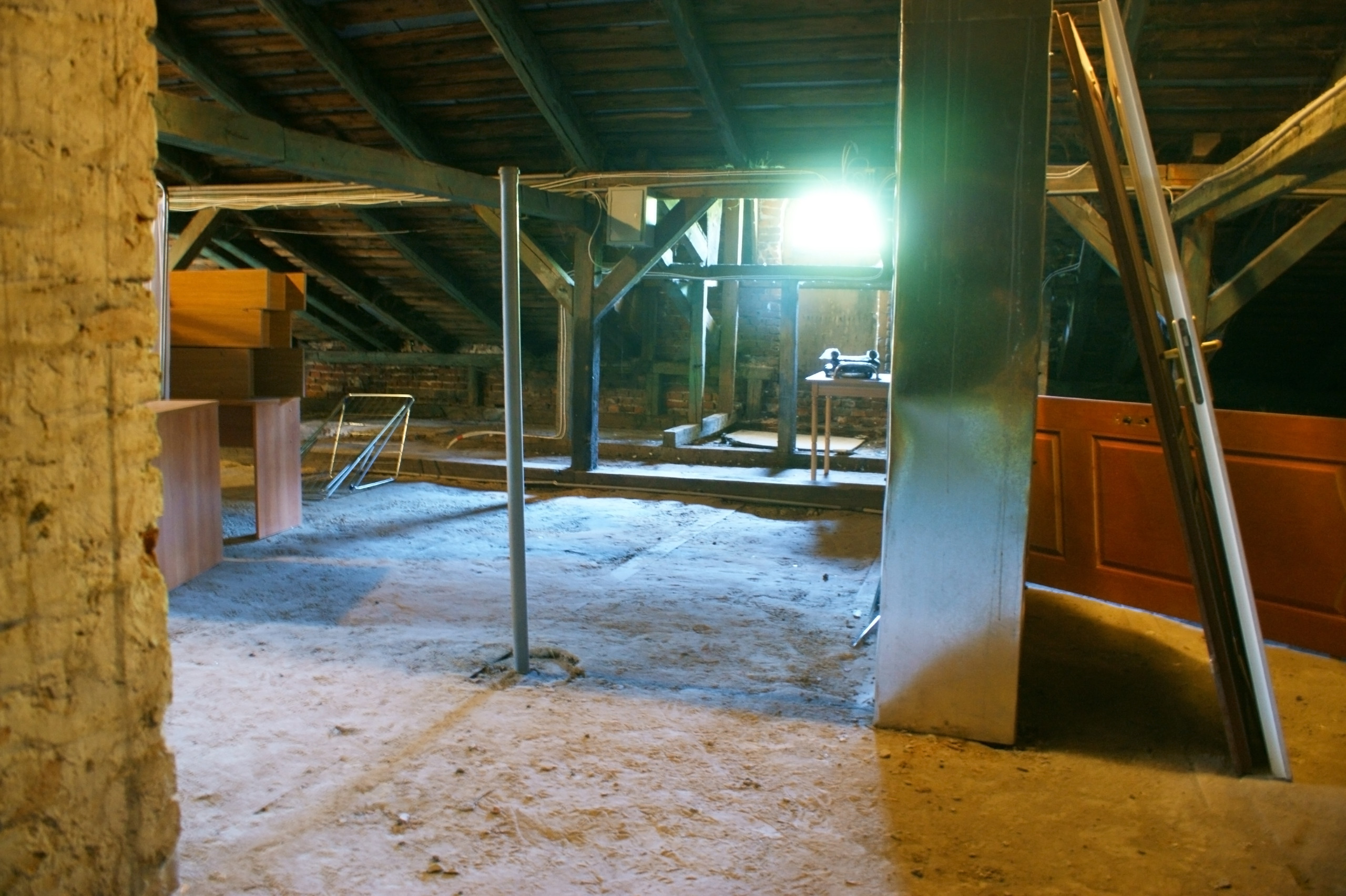
The Ultimate Guide to Basement Dig Outs: Pros, Cons, and Safe Alternatives details how to manage the construction process, from excavation to fortification, with a focus on precision and safety.
Basement Excavation and Lowering
This phase marks the real deal. Before any digging starts:
- Plan Thoroughly: Measure twice, dig once, that’s the motto. Precision is crucial.
- Navigate Carefully: You’ll need to navigate tight spaces and watch out for existing structures.
- Opt for Minimal Disruption: Choose methods that ensure minimal disruption to your home.
During the digging process:
- Make the First Cut Count: The first cut is the most critical. Excavation involves lifting tons of earth, so take it seriously.
- Focus on Steady Progress: Steady progress is better than rushing; remember, haste makes waste.
- Implement Protective Measures: Use bracing to keep everything sturdy as work continues. Blend safety with efficiency.
Foundation Underpinning and Stabilization
With excavation complete, it’s time to reinforce the underpinnings:
- Set the Stage for Stability: In Colorado, be wary of the ground’s freeze and thaw cycles. Reinforce what’s already there for enhanced stability.
- Choose Robust Techniques: Techniques may include mini piling or mass concrete pours.
Material Matters:
- Go for robustness; cutting corners isn’t an option.
- Subtle fortification is the goal. Enough support to keep everything above it aligned without drawing attention to itself.
Your home’s integrity is at stake, so let careful material choice and method guide you.
Navigating Denver Building Code
Being aware of Denver building code is crucial:
- Start by obtaining the necessary permits before groundbreaking. Skipping this step can lead to fines and forced cessation of work.
- Denver’s code requirements include specifics on foundation depth, insulation, and water drainage, all vital for keeping your new basement secure and dry.
- Regularly schedule inspections to ensure compliance throughout the construction process. Inspections act as checkpoints, catching potential issues before they escalate and ensuring every step meets the required standards.
- Stay informed about any local code updates or changes. Building codes evolve to incorporate new safety practices and technologies, so staying current can save you headaches down the road.
- Engage with local officials when in doubt. Their insights can prevent costly missteps and help in interpreting complex code language.
In short, navigating the building code might seem daunting, but it serves as your roadmap to a legally safe and structurally sound project. It’s there to ensure your conversion is as smooth and efficient as it is transformative.
Costs and Considerations

Transforming a crawl space into a basement is undeniably tempting, but several financial considerations need careful attention. Here’s a breakdown to help guide your decision:
Budget Assessment
- Initial Costs: The cost can vary widely, typically ranging in the tens of thousands of dollars to the hundreds of thousands of dollars. This depends on factors such as soil conditions, the complexities of your home’s structure, and the depth of the dig out.
- Long-term Value: Compare the initial expenditure with potential long term benefits, such as increased property value and expanded living space.
Planning for Unexpected Expenses
- Financial Cushion: Surprises are almost inevitable. It’s advisable to set aside an additional 10-15% of your total budget to cover unforeseen issues, such as rocky soil or structural quirks.
Financing Considerations
- Interest Costs: If you plan to finance part of the project, consider the cumulative cost of interest over time.
- Precise Budgeting: Accurate planning can prevent financial overextension and provide peace of mind as the project progresses.
Conclusion
Remember, a well planned investment today might significantly enhance your home’s value or sale potential in the future.
Converting a crawl space and digging out a basement in Denver is a worthwhile project with many benefits. It offers more usable space and increases home value, transforming unused areas into a functional part of your living environment. Beyond the practical advantages, there’s something inherently satisfying about turning a neglected corner of your home into a bright, welcoming space. Also, when correctly managed, it ensures a safe and structured environment that can serve your family for years to come.
However, this isn’t a project to tackle casually. It requires precision and expertise. Engage with seasoned professionals who understand Denver’s unique building challenges, and always have a keen eye on local building codes to avoid costly mistakes. These codes aren’t just bureaucratic hurdles; they ensure your home remains safe and comfortable. With the right team and thorough preparation, your basement dig can be a successful and rewarding venture, adding both space and value to your home.