

by Luke Cronin
Share
by Luke Cronin
Share

Renovating a home can be an exciting yet complex process. Bringing your dream home to life usually starts with hiring a designer. But there are instances when an engineer becomes crucial. Understanding the roles of both can help ensure your project’s success.
Introduction
Renovating your home can feel like navigating an uncharted journey. Key to this adventure are the professionals who guide you through it: designers and engineers. Understanding their roles and timing your engagement with each can make all the difference.
Role of a Designer
- Vision and Aesthetics: Designers transform your space into a reflection of your tastes and lifestyle, focusing on aesthetics and functionality.
- Skills and Responsibilities:
- Crafting layouts
- Choosing finishes
- Curating pieces that bring your vision to life
Role of an Engineer
- Technical and Safety Expertise: Engineers operate in a realm grounded in technical rigor, ensuring the structural integrity and safety of your renovation.
- Core Responsibilities:
- Verifying the strength of beams, foundations, and walls
- Ensuring compliance with safety standards and regulations
Importance of Timing
Why does it matter when you hire each professional? It’s the difference between a renovation that’s not just beautiful, but also sound and secure. Understanding the expertise each professional brings can help:
- Prevent costly mistakes
- Avoid unnecessary delays
- Blend aesthetics with structural soundness
Achieving a Balanced Renovation
Blending the expertise of both designers and engineers can achieve more than just a stunning home; it ensures a space built on a foundation you can trust. A designer might compose the melody of your dream space, but it’s the engineer who makes sure it doesn’t skip a beat.
Hiring a Designer for Home Renovation
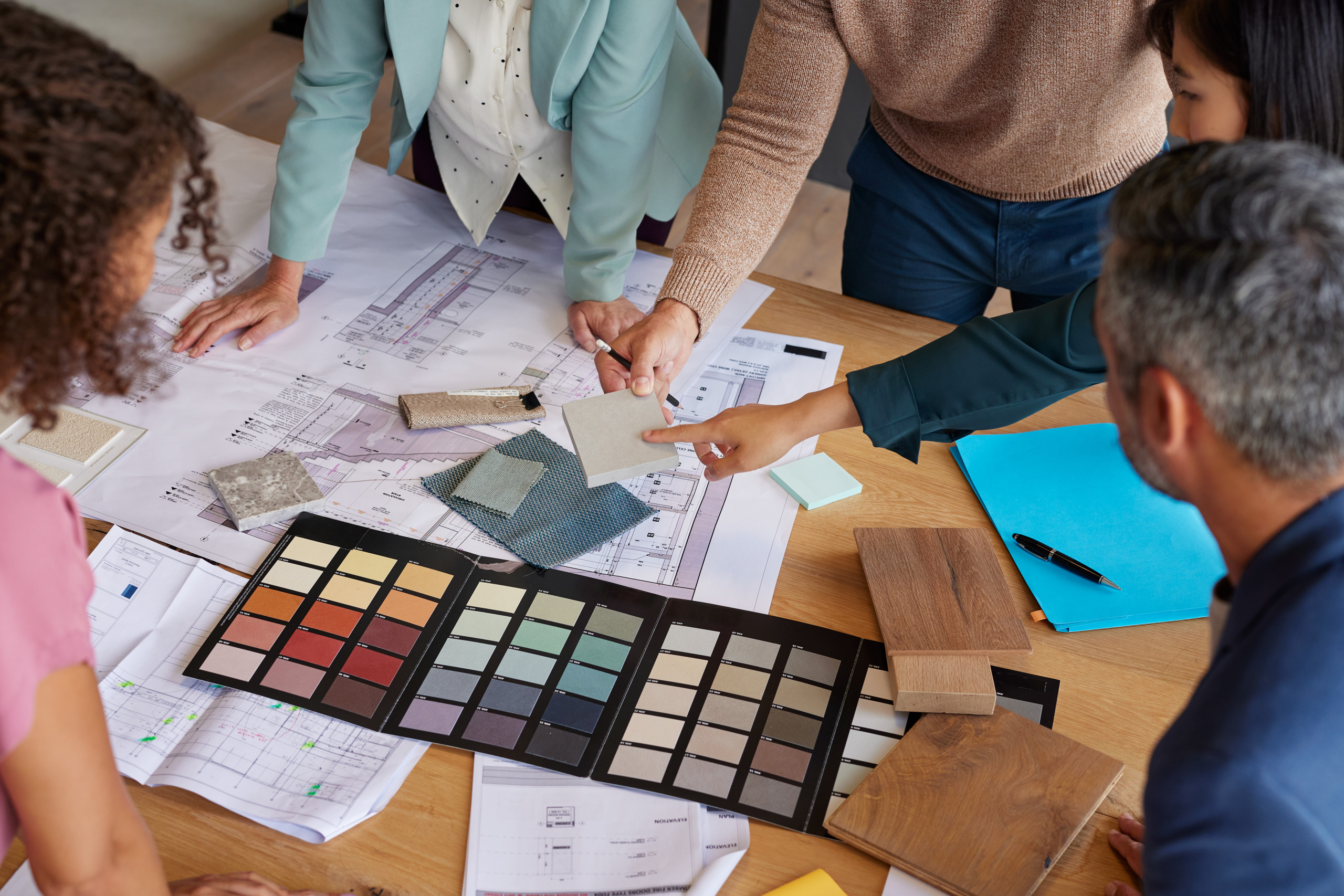
Hiring a designer for your home renovation is often the first step in transforming your living space into a harmonious and functional environment. The main benefits of enlisting a designer include professional space planning, an eye for aesthetic detail, and keen material selection.
Designers are adept at optimizing space ensuring your layout flows logically and utilizes every square inch efficiently. Their creative vision brings cohesion to your home, pulling together colors, textures, and finishes into a unified aesthetic. Whether you’re leaning towards a minimalist, rustic, or ultra-modern look, designers tailor aesthetic choices to your style and vision.
The material selection process can be daunting with countless options for flooring, countertops, and cabinetry. Designers leverage industry knowledge to help you choose materials that suit your budget and lifestyle while maintaining quality and durability. Balancing aesthetics and practicality, they streamline decisions that might otherwise overwhelm you, ensuring your renovation project stays on track and resonates with your unique taste.
Architect vs. Engineer: Understanding the Differences
At the heart of any renovation, the roles of an architect and an engineer diverge yet complement each other. Architects are your go-to creatives, styling the visual tapestry of space. They sketch out how your dream unfolds in aesthetic terms, blending form with function. Need a layout that maximizes sunlight or a unique façade? That’s an architect’s playground.
Engineers, on the other hand, are all about structural reality. They ask, “Will this stand?” and “How do we make it safe?” Imagine knocking down walls or digging for a new foundation; an engineer confirms it won’t compromise the building’s integrity.
There are clear instances where each is your best bet. Architects should lead when you envision a new design gently interacting with existing structures. Calling an engineer is crucial when your project involves foundational shifts or when safety is pegged as top priority.
For deeper insights into how architects and engineers collaborate to bring visions to life, check out ”Why Architects and Engineers Make The Best Team”.

Do I Need an Engineer for Renovation?
Renovations that seem straightforward on paper can turn into structural nightmares if you don’t know when to bring an engineer into the mix. If your project involves tearing down or modifying any load-bearing walls, an engineer is not just a good idea, it’s essential. Engineers analyze how these changes will affect the overall stability of your home, ensuring that removing or altering these walls won’t lead to catastrophic structural failures later on.
Basement renovations often warrant an engineer’s expertise as well. These spaces are prone to issues like moisture and inadequate support. Expanding or modifying this area is not just about making more room. It involves assessing and possibly reinforcing the foundation to support new loads above.
Residential structural engineers are your go-to for these heavy-lifting projects. They ensure that every beam, post, and joint is up to the mark, aligning with building codes and safety standards. An engineer’s critical eye is invaluable when your renovation dreams tread into the realm of substantial modifications. They make sure that your home not only looks right but stands right, safeguarding the integrity of your living space.
Structural Concerns and the Role of Engineers
When renovating a home, structural concerns can quickly become paramount, and that’s where an engineer steps in. One of the most common scenarios is altering or removing load-bearing walls. These walls support the weight of the structure above, and changes here require an engineer’s expertise to prevent structural failure. Without proper calculations, you risk catastrophic results such as cracks, sagging, or worse.
Expanding basements is another area fraught with complexity. Adjustments here often mean underpinning, which involves delicate work to increase foundation depth and strength. An engineer ensures that your basement project doesn’t jeopardize the entire structural balance of your home.
Rooms like kitchens and bathrooms, despite appearing straightforward, can also benefit from an engineer’s oversight. Renovations that involve reconfiguring plumbing or installing heavy fixtures, like a whirlpool bath, demand careful planning for structural load management.
In each scenario, adhering to safety regulations isn’t just bureaucratic red tape, it’s the foundation (pun intended) of a sound project. Engineers are your shield against oversight, ensuring renovations aren’t just beautiful but also safe and sound. Chainsaws and sledgehammers aside, an engineer’s protractor and calculator might just be your best tools for a successful renovation.

When to Hire a Structural Engineer
Deciding when to bring in a structural engineer can prevent headaches and ensure your renovation’s success. Consider hiring a structural engineer when your project involves significant structural changes. This includes altering the building’s layout, adding new floors, or repositioning load-bearing walls. When you’re handling any change that affects the framework of your home, an engineer’s expertise becomes non-negotiable.
Another scenario demanding an engineer is when you’re ensuring compliance with building codes. Codes are in place to guarantee safety, longevity, and integrity. A structural engineer can navigate these regulations seamlessly, saving you from future legal and safety troubles.
Safety and durability are non-negotiables in renovation projects. If there’s any doubt about whether your project might impact your home’s stability, consult an engineer. Their insight can be crucial in highlighting potential risks before construction begins.
Need help finding someone nearby? Start by asking for recommendations from local architectural firms or contractors. Checking online directories with credible reviews or visiting websites like the Structural Engineers Association can also help connect you with qualified professionals. With the right structural engineer on board, your renovation will stand on solid ground, literally and figuratively.
Hiring a Contractor for Home Renovation
A contractor is like the conductor of your renovation orchestra. They synchronize the moving parts of your project, ensuring everyone plays the right notes at the right time. Contractors take the designs from your designer and the plans from your engineer and make them a reality. Their expertise lies in project management, navigating the maze of permits, schedules, and subcontractors with finesse.
The heart of a successful renovation is collaboration. Contractors work closely with both designers and engineers to balance aesthetics with practicality. For example, if your designer envisions a sleek, open-concept layout but structural changes are required, the contractor and engineer will coordinate to ensure those changes are safe and feasible.
Working with a good contractor means streamlined communication. They’re the point person, managing the day-to-day updates and troubleshooting issues as they arise. By choosing the right contractor, you’re setting the stage for a smoother renovation journey, minimizing delays and staying within budget.
When hiring a contractor, look for a reliable and experienced professional. Recommendations from friends or online reviews can be invaluable. Ensure they are licensed and insured, with a track record of delivering quality work on time. A good contractor doesn’t just complete a project; they complete it while keeping the harmony between your vision and structural reality.

Additional Considerations for Specific Renovations
When tackling specific renovation projects, understanding the nuances can make a world of difference. Let’s consider a few common scenarios:
Small Bathroom Renovations
With limited space, every inch counts. Focus on optimizing storage and function without sacrificing style. Consider integrating space-saving solutions like wall-mounted vanities or recessed shelving. Choose light colors and reflective surfaces to create a sense of openness.
Kitchen Renovations
The heart of a home deserves special attention. Balance practicality with aesthetics by prioritizing workflow efficiency. Consider the classic work triangle and ensure ample counter space. Invest in durable materials for countertops and flooring. Remember, energy-efficient appliances can trim long-term costs.
Eco-friendly Home Renovations
Going green? It’s simpler than you think. Prioritize sustainable materials, like bamboo flooring or recycled glass tiles. Implement energy-efficient systems, think windows and insulation, to cut down on your footprint. Solar panels can be costly upfront, but they pay off over time.
Each project comes with its own set of challenges and opportunities. By tailoring your approach to the type of renovation, you maximize both satisfaction and utility.
Conclusion
In the world of home renovations, understanding when to enlist the expertise of a designer versus an engineer can make all the difference. The beauty of a space, crafted by a designer, should never overshadow the necessity of structural safety ensured by an engineer. Balancing these dual needs ensures a seamless blend of aesthetics and functionality.
When embarking on your renovation journey, consider both perspectives. Designers bring a vision to life with style and elegance, while engineers guarantee that this vision stands on solid ground. Never underestimate the power of consulting with both professionals. Their collaboration is key to achieving results that are not only beautiful but structurally sound.
As you move forward, remember that every project benefits from ongoing dialogue with the right experts. This approach will guide you towards a renovation that’s not just impressive, but safe and enduring.
External Resources
Embarking on a home renovation is no small feat. When planning such a project, a little extra reading can go a long way in ensuring success. For those grappling with the question of when a structural engineer is necessary, check out this comprehensive guide on Structural Engineers: When They’re Needed For Home Remodels. It sheds light on common pitfalls and offers insights into the critical role these professionals play in safeguarding your home’s integrity during renovations. By leveraging their expertise, you can merge style with safety, ensuring your dream space stands the test of time.