

by Luke Cronin
Share
by Luke Cronin
Share

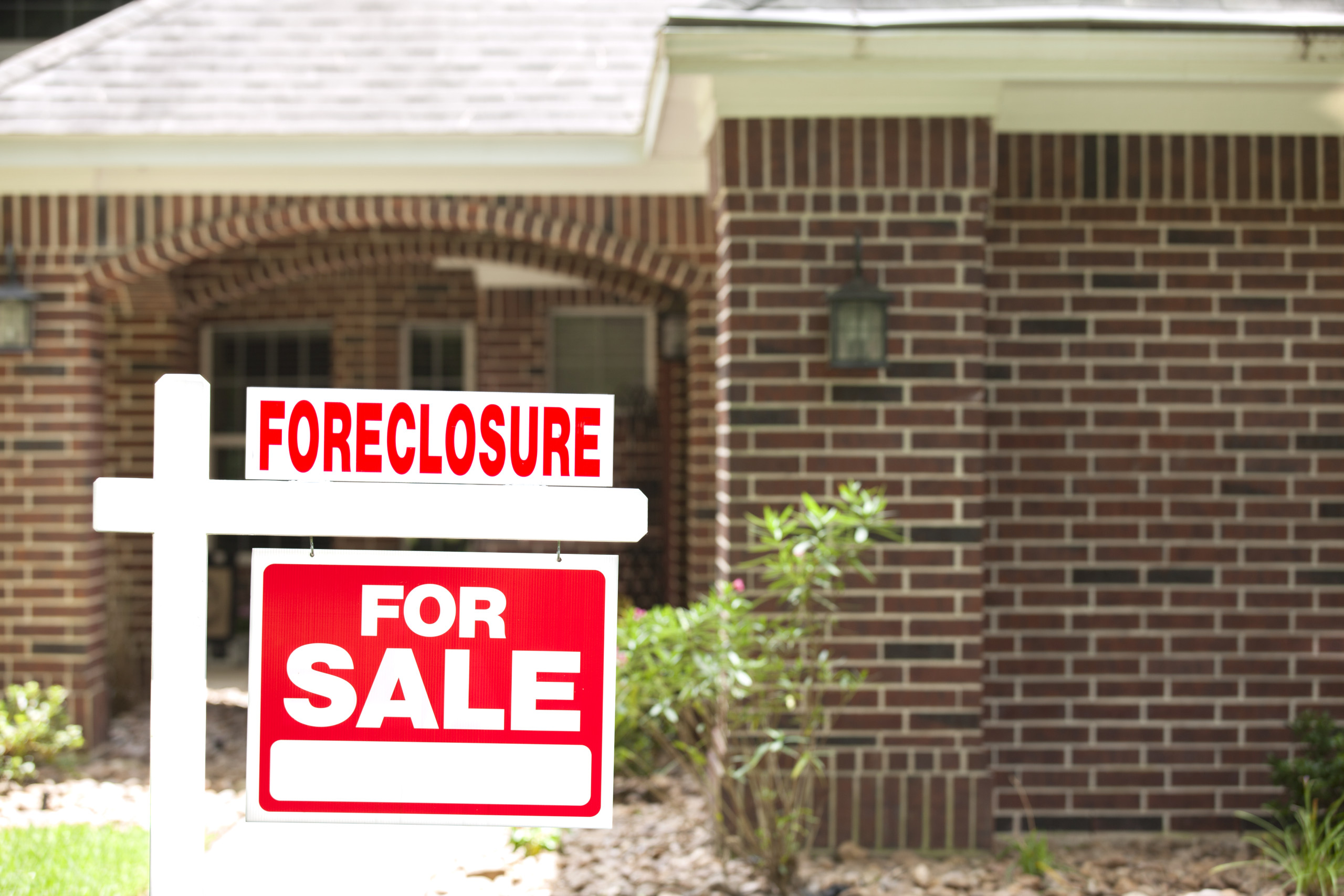
The allure of purchasing foreclosed homes often lies in their attractive pricing. However, these properties may come with a set of challenges that can turn a seemingly great deal into a money pit. Understanding the potential pitfalls is crucial for anyone considering this type of investment.
Introduction
Foreclosed homes, properties seized by lenders due to missed mortgage payments, often sit enticingly below market value. This price cut promises potential profit, a siren call for bargain hunters and investors alike. Snagging a home at a discount feels like winning a small jackpot, yet this prize carries hidden challenges.
These homes might mask serious structural issues beneath their alluring price tags. The catch? Undetected damage can quietly erode value, turning a bargain into a costly headache. Problems like hidden water damage, foundation cracks, or faulty wiring complicate the allure. So, while the initial savings sparkle, ignoring potential pitfalls can jeopardize both investment and livability. For folks eyeing the foreclosure market, a buyer-beware mindset is key. Proceed with cautious optimism and an eagle eye to ensure that sweet deal remains truly sweet.
What to Watch Out For When Buying Foreclosed Homes
Buying a foreclosed home can feel like unwrapping the perfect bargain, but it’s essential to be aware of potential pitfalls. Many foreclosures have hidden issues that can lead to unexpected costs. Here are some common things to be vigilant about:
Common Issues to Look Out For
- Water Damage
- This silent destroyer often lurks in basements or under roofs.
- Look for water stains on the ceiling, walls, or floors.
- A musty smell is a significant red flag.
- Neglect can transform minor water issues into moldy nightmares.
- Mold and Mildew
- Mold’s not just unsightly—it’s a health hazard.
- Check dark corners, behind cabinets, and damp areas.
- Mold often accompanies poor ventilation and previous water intrusions.
- Foundation Issues
- Cracks wider than a quarter inch or doors that don’t close properly can indicate foundation troubles.
- These problems might look minor but can lead to costly repairs if ignored.
- Electrical and Plumbing Problems
- Foreclosed homes might have suffered from quick fixes or outdated systems.
- Test outlets for power and ensure plumbing fixtures work without leaks.
- Old or faulty wiring and rusty pipes demand thorough inspection.

Protect Your Investment
To protect your wallet and sanity, consider hiring a professional home inspector before signing on the dotted line. They can uncover issues that aren’t immediately obvious and provide a clearer picture of the home’s actual condition. Keeping these tips in mind can help ensure that your investment doesn’t come with unpleasant surprises.
Common Structural Problems in Foreclosure Properties
Foreclosed homes are often left in a state of neglect, which means structural issues can be somewhat of a package deal. A common problem in these properties is the presence of cracks in walls or foundations. Neglected homes may have been exposed to the elements or suffered from a lack of maintenance, leading to these kinds of foundational problems. Cracks aren’t just cosmetic; they might indicate significant underlying issues that can cost a pretty penny to fix.
Sagging floors are another potential red flag in foreclosure properties. They might result from termite damage, unaddressed leaks settling over time, or structural beams that have weakened. Walking on such unstable flooring isn’t just uncomfortable; it’s unsafe. Fixing this might require extensive work, like replacing beams or reinforcing joists.
Lastly, roof damage is a common sight. Missing shingles, leaks, or sagging rooflines can be expensive to repair. The roof is the home’s first defense against weather and the elements, making its integrity crucial. If you’re not careful, water seeping through a worn-out roof can lead to other costly issues like mold or compromised electrical systems.
For more details on structural problems you should be wary of, especially in older homes, check out this guide on structural problems in older homes. It’ll give you a broader perspective on what could be lurking behind what seems like a sweet real estate deal.
Pros and Cons of Buying Foreclosed Homes
When it comes to foreclosed homes, the allure often starts with the price tag. You might get a property for less than market value, and that’s hard to resist. But along with the potential for a bargain comes the reality of some trade-offs. Let’s break it down.
The Pros
- Lower Purchase Prices: The most obvious upside is the reduced cost. Banks aren’t in the business of holding onto properties, so they price them to sell quickly. If you’re budget-conscious, this can be a compelling factor.
- Potential for Profit with Renovations: Buying low means there’s room for financial growth. With the right renovations, you can significantly increase the home’s value. For savvy investors, this is a major draw.
- Good Investment Opportunities: Foreclosures can be a goldmine for long-term real estate investment. If the property is in a rising market, your purchase could appreciate nicely over time.
The Cons
- High Risk of Hidden Issues: Foreclosed homes are notorious for their hidden structural problems. Previous owners, who couldn’t keep up with mortgage payments, likely had little money for upkeep. You might face repairs that eat into your budget quickly.
- Limited Ability to Negotiate Repair Requests: Banks usually sell these properties “as-is,” with little room for negotiation. That means you either take on all the repair costs yourself or walk away.
- Often Sold As-Is: Since banks treat these sales as transactions to recoup losses, there isn’t much leeway for contingencies. What you see is generally what you’ll get.
Buying a foreclosed home boils down to balance: potential savings against possible expenditures. A thorough inspection can tip the scales in your favor, allowing you to spot red flags before you commit. Ultimately, it’s about weighing these pros and cons and deciding if the gamble aligns with your financial goals.
Is It a Bad Idea to Buy Foreclosed Homes?
Deciding whether a foreclosed home is a good purchase involves weighing known risks against potential benefits. On one hand, the lower prices and potential for profit through renovations make these properties appealing. However, it’s crucial to consider the hidden issues that often accompany them. Structural problems can lurk beneath the surface, turning a cheap buy into an expensive project.
For first-time homebuyers, the appeal of a foreclosure might seem strong given budget constraints. Yet, without a solid understanding of possible complications, it might not be the best first venture into homeownership. While seasoned investors might have the experience and capital to manage unexpected repairs, first-timers could find themselves overwhelmed both financially and mentally.
Ultimately, the decision rests on your risk tolerance and preparedness. If you’re willing to put in the time and due diligence to uncover what lies beneath the surface, a foreclosed home could be a rewarding investment. But if uncertainty and potential extensive renovations leave you uneasy, it might be wise to tread cautiously.
Can You Inspect Foreclosed Homes in Advance?
Inspecting a foreclosed home before purchase is a game-changer if you can swing it. Not every opportunity to inspect will come your way, as foreclosures are often sold as-is, but when the chance arises, grab it with both hands. A thorough inspection can shine a light on hidden issues that could cost a bundle down the line. Think of it as a sneak peek into what really lies beneath that bargain price tag.
Inspection advantages are clear-cut. First, it arms you with knowledge. You’ll know what repairs you’re staring down and whether the investment is worth the hassle. Second, it helps map out a realistic renovation budget, setting aside funds where they’re most needed. Last but not least, catching serious issues early means fewer unwelcome surprises and a smoother transition post-purchase.
So, before you dive headfirst into a foreclosure, see if an inspection is on the table. It might just be your best defense against unforeseen expenses, turning a risky venture into a calculated investment.
How to Buy Foreclosed Homes with No Money
For those looking to buy a foreclosed home with limited funds upfront, there are several financial tools and creative strategies that can make this feasible.
Financing Options
One popular route is through FHA loans. These government-backed loans require a small down payment, often as low as 3.5%, and can be a lifeline for first-time buyers. Additionally, VA loans are available for veterans, offering the advantage of no down payment required, provided you meet specific eligibility criteria.
Hard money loans are another option, tailored for short-term financing. While they typically come with higher interest rates, they can be ideal for investors planning to flip the property quickly. It’s crucial, however, to have a solid exit strategy in place to avoid becoming overwhelmed by interest payments.
Creative Strategies
Beyond traditional financing, there are creative strategies to consider. Lease options, also known as rent-to-own agreements, allow you to move into the property with an intent to purchase at a later date, providing time to secure financing while simultaneously reducing the loan balance.
Partnering with investors can also mitigate the financial burden. By pooling resources, you can split the costs and profits, lowering your individual investment risk.
Lastly, motivated sellers or banks looking to offload these properties quickly might offer alternative terms or seller-financing options, allowing you to negotiate a deal with little to no money down. Engaging with real estate professionals experienced in foreclosures can help identify these rare opportunities.
Navigating the foreclosure market with limited funds requires resourcefulness and a clear understanding of your financial limits. With due diligence and strategic planning, it’s possible to secure a foreclosed property without a hefty initial outlay.
Finding Foreclosed Homes for Sale Near You
Locating foreclosed homes can seem daunting, but there are several avenues to explore. Start with popular real estate websites, which often have a dedicated section for foreclosures. Websites like Zillow, Realtor.com, and Redfin provide filtering options to narrow down properties in your area.
Another fruitful approach is to attend county auctions. These events are typically well-publicized by local governments and offer a chance to purchase foreclosed properties directly. Keep an eye out for announcements in local newspapers or online forums.
Bank listings are another go-to source. Many financial institutions list foreclosed properties on their own websites. You’ll need to navigate to the bank’s real estate-owned (REO) section, but it can be worth the effort for access to bank-owned homes that aren’t always listed elsewhere.
Finally, you can find a free list of foreclosed homes through public records at your county recorder’s office. While this might require more legwork, it’s a reliable way to uncover properties that might not yet have hit the market.
With these resources at your disposal, uncovering a foreclosed property that suits your investment needs is entirely achievable.
The Truth About Buying Foreclosed Homes
When diving into the world of foreclosed homes, the landscape can be both enticing and fraught with hidden hurdles. The reality is often far removed from the glossy appeal of a good bargain. Buyers frequently face properties in disrepair, neglected maintenance, and the undeniable wear-and-tear of previous occupants who knew they were losing their home.
Navigating a foreclosure purchase is not for the faint-hearted. Practical advice? Set realistic expectations about potential repairs and budget accordingly for hidden costs. Steel yourself for the prospect of buying “as-is.” Many foreclosed homes are sold under these conditions, leaving you little room to negotiate on repairs.
While saving a fortune on the purchase price feels like hitting the jackpot, always consider the possible investment in time, stress, and, ultimately, money to make the property livable. Inspect thoroughly, even if it means hiring a professional to help identify issues an untrained eye might miss.
Is it a bad idea to buy a foreclosed home? Not necessarily, but it demands a solid strategy, a clear understanding of the risks, and an openness to unexpected challenges. Ultimately, enduring the initial storm can lead to serene waters of profit and a home you reshaped with your own hands—and sometimes, that payoff is worth the tempest.
Navigating the Purchase of Foreclosed Homes
The Allure and the Challenge
The journey into purchasing a foreclosed home is not for the faint-hearted. While the allure of lower prices is tantalizing, it’s crucial to remember that thorough due diligence is key. Hidden problems, ranging from minor to significant, can swiftly turn an investment upside-down. A keen eye for detail and an awareness of potential pitfalls are your best allies.
Risks and Rewards
Foreclosures can either be a savvy investment or a costly error. Success largely depends on your preparation to tackle the challenges that arise. Keep these tips in mind:
- Remain Skeptical Yet Optimistic: Balance skepticism with optimism, weighing potential returns against foreseeable issues.
- Verify Critical Details: Take your time to verify everything, from foundation stability to the integrity of the roof.
Research and Preparation
Research is your greatest tool. Use resources like Investopedia to deepen your understanding of:
- The Foreclosure Process
- Potential Risks
- Investment Strategies
With knowledge as your guide, you can transform what might seem a daunting venture into a rewarding opportunity.
Final Tips
Stay informed, stay cautious, and you’ll be well-equipped to navigate the complex landscape of foreclosed property investments.