

by Luke Cronin
Share
by Luke Cronin
Share
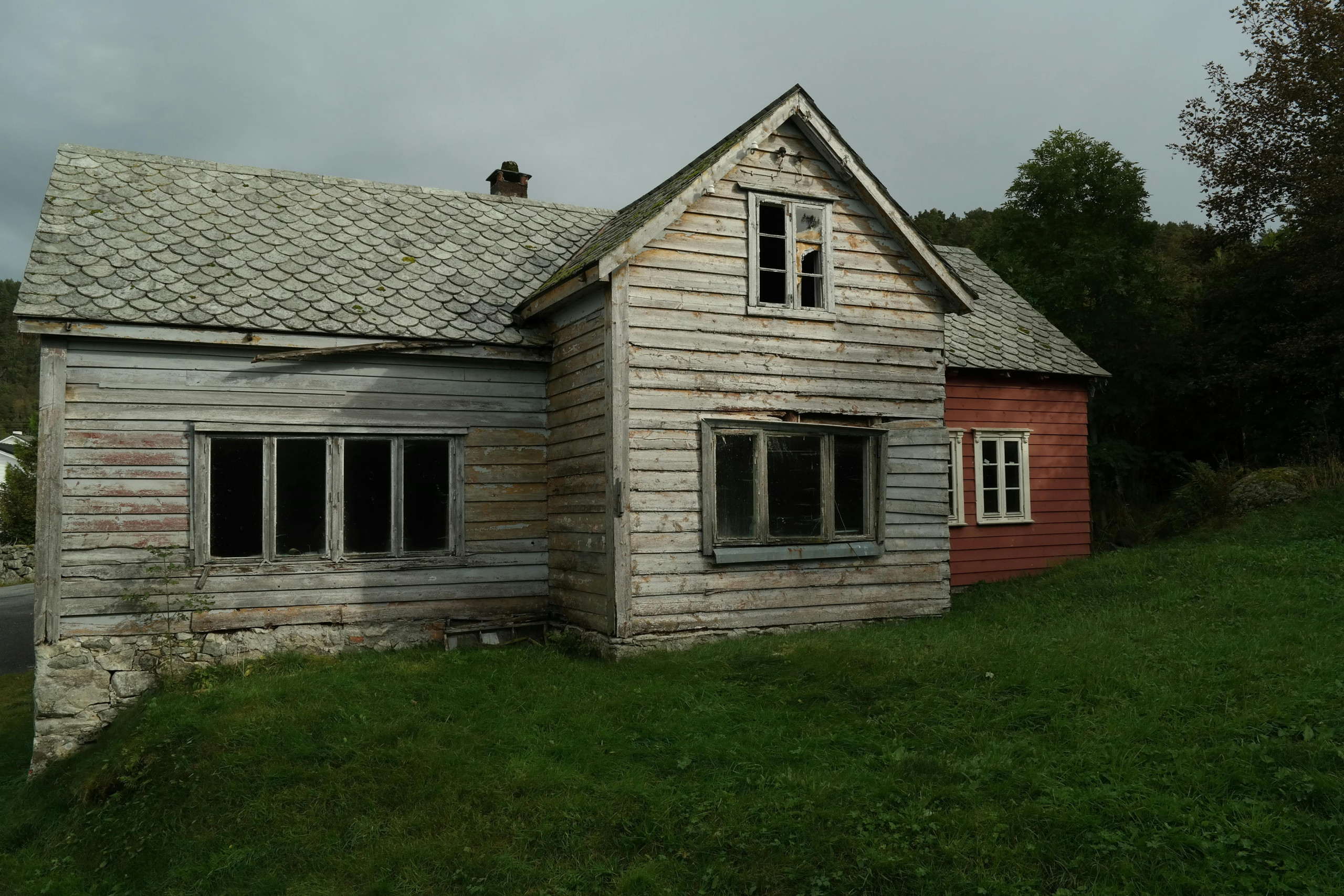
Older homes have charm and history, but they also come with their share of structural problems. Unattended issues can lead to costly repairs and safety risks. Let’s dive into the critical structural issues you need to watch out for.
Introduction
Older homes often whisper stories of the past, carrying an undeniable allure that calls to those with a love for history and character. The craftsmanship, the unique details, the sense of place—all these give older homes a charm that new builds seldom offer. But nestled within this charm are challenges that can turn this dream into a nightmare: structural problems. These issues can compromise the safety of your home and lead to costly repairs if left unchecked.
Owning an older home requires a keen eye and proactive maintenance to preserve not only its beauty but also its safety and value. Recognizing the importance of identifying structural problems is crucial. Whether you’re noticing a slight dip in the floor or hearing the groan of aging timbers, addressing early signs is your best bet against future headaches. Let’s explore the world of structural problems in older homes and see what you should keep an eye on.
Common Structural Problems in Older Homes
When it comes to older homes, there’s a cozy charm that often overshadows their creaks and quirks. But behind that nostalgia, structural issues could be lurking, demanding attention. Here’s a closer look.
- Foundation Problems: This is the heavyweight champion of structural issues in older homes. Over time, soil shifts, water infiltrates, and the foundation bears the brunt. If you’re noticing cracks in your walls or floors that seem more like fault lines than hairlines, or if your floors feel like they’re part of the Appalachian Trail, you might have foundation troubles on your hands. These issues can lead to uneven floors, sticky doors, and windows that won’t close, which aren’t just minor inconveniences—they’re glaring signals that you need to address deeper structure concerns. For a deep dive into these problems, be sure to check out resources that specialize in old house foundation issues, like this article from Colorado Structural Repair.
- Roof Damage: Over the years, roofs take a beating from the elements. It’s not uncommon for older homes to have leaks or even structural weaknesses if the roof hasn’t been kept up to snuff. Be on the lookout for water stains on ceilings or a roofline that sags like a hammock under two people. These aren’t just eyesores; they signal potential roof failures that could lead to more moisture damage below.

- Wall Cracks: While a few cracks can give a home character, not all are harmless. Some are the result of superficial plaster separation, but others might hint at serious structural instability. Knowing the difference could save your home from significant (and expensive) repairs. As a rule of thumb, vertical cracks are often less concerning than horizontal ones, which could spell trouble.
- Moisture Issues and Mold: If your nose is twitching from musty odors, or if you’re seeing damp walls and peeling paint, you likely have moisture issues or mold. These issues aren’t just about unpleasant smells and unsightly stains—they can lead to wood decay and even health hazards that affect indoor air quality. Mitigating moisture is crucial to preserving both your home’s structure and its inhabitants’ well-being.
Addressing these problems might seem daunting, but recognizing them early is half the battle. Keep an eye out for these signs to protect the bones of your beloved older home.
Identifying Signs of Structural Problems in Older Homes
When it comes to identifying structural problems in older homes, watching for visible clues can save you from costly repairs down the line. Here are some key signs to look out for:
Visible Clues
- Cracks: Check the walls, ceilings, and foundation. Cracks can signal shifting or settling that compromises the home’s structural integrity.
- Gaps or Misalignments: Look at door frames and window sills. Doors that stick or windows that don’t open smoothly often indicate deeper structural issues.
Subtle Signs
Visible issues aside, there are also subtler signs that homeowners should be aware of:
- Creaking Sounds: Listen for these, as they may indicate stress on floors or stairs.
- Sloping or Sagging Floors: Feel for unevenness as you walk, which can be a major red flag.
- Persistent Musty Smells: This might suggest moisture-related problems hidden beneath the surface.
Addressing these issues early on can prevent them from escalating into more serious damage, keeping your charming older home safe and sound.
When to Call a Professional
There comes a point when you need to set down the toolbox and pick up the phone. Knowing when to seek expert advice can make all the difference between a quick fix and a costly ordeal. But how do you know when you’re in over your head?
First off, if you notice signs of major deterioration—like significant cracks in the foundation, sagging floors, or a shifting roof—it’s time to consult a pro. These are not issues to gamble with. A structural engineer or a specialized contractor can assess the extent of the damage and recommend appropriate action.
DIY repairs, while tempting for quick cosmetic fixes, don’t cut it for root problems. Painting over cracks might work for Pinterest, but it’s not a long-term solution. Professionals have tools and expertise to diagnose issues properly. From thermal imaging to moisture meters, they’ve got gadgets that see what the naked eye can’t.
Moreover, don’t rely on guesswork when safety is on the line. If your doors and windows suddenly refuse to close, or if you stumble upon pooling water in your basement, don’t just scratch your head. These could signal far more severe problems lurking beneath the surface.
In short, when the signs point to something more serious than a weekend project, bring in the experts. It’s an investment in your home’s long-term health.
Understanding Old House Foundation Issues
Older homes often come with a unique array of foundation issues, a consequence of both the passage of time and outdated construction methods. Below, we explore the common problems that affect the foundations of older houses and how to address them.
Causes of Foundation Issues in Older Homes
- Natural Settling:
- Homes naturally settle over time, which can lead to foundation shifts.
- This is especially problematic in homes built on expansive clay, which swells and shrinks with moisture changes.
- Outdated Construction Techniques:
- Earlier construction methods might lack the reinforcement and durability of modern standards.
- Older homes are more vulnerable, particularly in areas prone to seismic activity or heavy rainfall.
- Inadequate Drainage Systems:
- Many old homes lack proper drainage, leading to problems such as:
- Foundation erosion
- Hydrostatic pressure, which builds against walls and may cause cracks or bowing.
- Many old homes lack proper drainage, leading to problems such as:
Addressing Foundation Issues in Older Homes
To effectively handle these foundation problems, it’s crucial to understand their root causes. These typically involve a mix of settlement, outdated construction, and environmental factors. Here’s how homeowners can manage the situation:
- Recognize Early Warning Signs:
-
- Look for sloping floors, cracks in the walls near the foundation, and doors or windows that stick.
- Early detection can prevent minor issues from growing into costly repairs.
- Seek Professional Help:
-
- Unusual or excessive foundation movement should always be evaluated by a professional.
- Further Resources:
- Homeowners can benefit from checking out Property Investment Red Flags: Structural Issues to Look For, which provides in-depth insight into the challenges associated with ancient foundations.
By being proactive and recognizing the signs early, homeowners can maintain the structural integrity of their treasured old homes.
Structural Repairs: What to Expect
When it’s time to tackle structural repairs in an older home, the process often starts with a thorough assessment. Professionals will evaluate the extent of the damage and strategize appropriate repairs. This isn’t a one-size-fits-all situation; each home presents unique challenges that require tailored solutions. You might see experts using techniques like underpinning to stabilize a distressed foundation or reinforcing walls that bow and crack under pressure.

Budgeting for these repairs can be tricky. Costs can range from the manageable to the eye-watering, depending on the severity of the issue and the complexity of the repairs required. It’s important to get multiple quotes and understand what’s involved in the proposal. This will help you prioritize repairs and manage expenses more effectively.
Common repair techniques can sometimes sound intimidating—like epoxy injections for crack sealing or helical piers for foundation support—but understanding these methods can demystify the process. Knowing what’s happening to your home during these repairs gives you peace of mind and ensures you’re making informed decisions about safeguarding your investment.
Prevention Tips for Homeowners of Older Homes
Preventing structural problems in older homes isn’t as daunting as it might seem. Start with routine inspections. Set a schedule to walk through your home, paying close attention to areas prone to issues, like the basement and roof. Look for early signs of damage such as small cracks or dampness. Early detection is your best friend, catching problems before they escalate into costly repairs.
Next up, proper maintenance is key. Focus on simple, regular upkeep tasks. Keep gutters clean to ensure they effectively channel water away from your foundation. Promptly fix leaks, no matter how minor they appear, to prevent water damage and mold growth. Keep an eye on the condition of your roof and replace shingles as needed. This might sound like basic stuff, but it’s crucial in an older property.
Water management is another cornerstone of prevention. With older homes, managing moisture is vital. Ensure your landscape slopes away from your home, directing water runoff in the right way. Consider installing French drains or a sump pump if flooding is a regular threat in your area. These measures can go a long way in safeguarding your home from moisture-related structural issues.
In essence, think of your older home as a classic car. With regular check-ups and some proactive care, it’ll not only keep running smoothly but also retain its charm and value for years to come.
Conclusion
Recognizing and addressing structural problems in older homes is not just advisable—it’s essential. These charming residences hold great appeal, yet they demand a vigilant eye and proactive maintenance to safeguard their integrity.
Key Points to Remember:
- Early Detection is Crucial:
Issues such as foundation cracks, roof damage, wall fissures, and moisture-related problems should be identified promptly to prevent them from escalating into costly repairs or hazardous situations. - Consistent Inspections:
Regular inspections, combined with professional expertise when needed, can make a significant difference in maintaining the home’s structure.
Benefits of Maintaining Older Homes:
- Preservation of Character and Value:
Ensuring structural integrity helps preserve the unique character and value of historic houses. - Contribution to Longevity:
With proper care, these storied dwellings can continue to enchant future generations.
By maintaining the structural integrity of older homes, homeowners not only protect their investment but also enhance the durability and longevity of these cherished properties.