

by Luke Cronin
Share
by Luke Cronin
Share
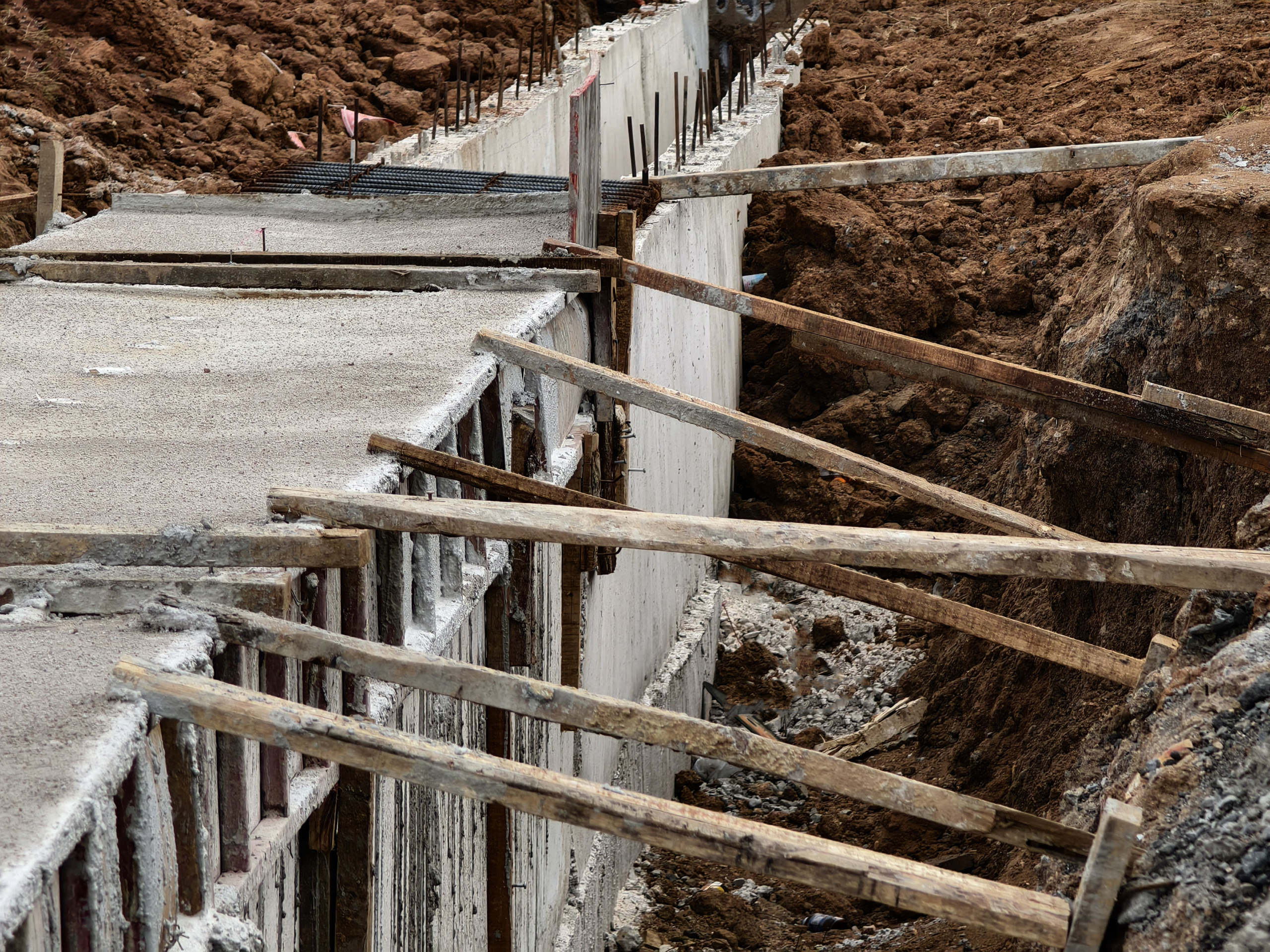
Building a home starts with a solid foundation. However, even the best foundations can face issues over time. Let’s dive into the types of foundation repair available and how to avoid choosing wrong solutions.
Importance of a Strong Foundation
A strong foundation is like the backbone of your home. It holds everything in place, ensuring stability and safety. Without it, walls can crack, doors may not close properly, and the entire structure can shift. This can make living in the house uncomfortable and even unsafe.
Moreover, a robust foundation is crucial for maintaining property value. Think of it as an investment in your home’s health. When your foundation is solid, it means fewer repairs down the line, preserving the home’s worth.
Finally, a solid foundation acts as a defense against most structural problems. It stands firm against shifting soil, weathering, and other forces that threaten to undermine the integrity of a house. So, prioritize a strong foundation to avoid headaches and costly repairs later.
Understanding the 4 Types of Foundations
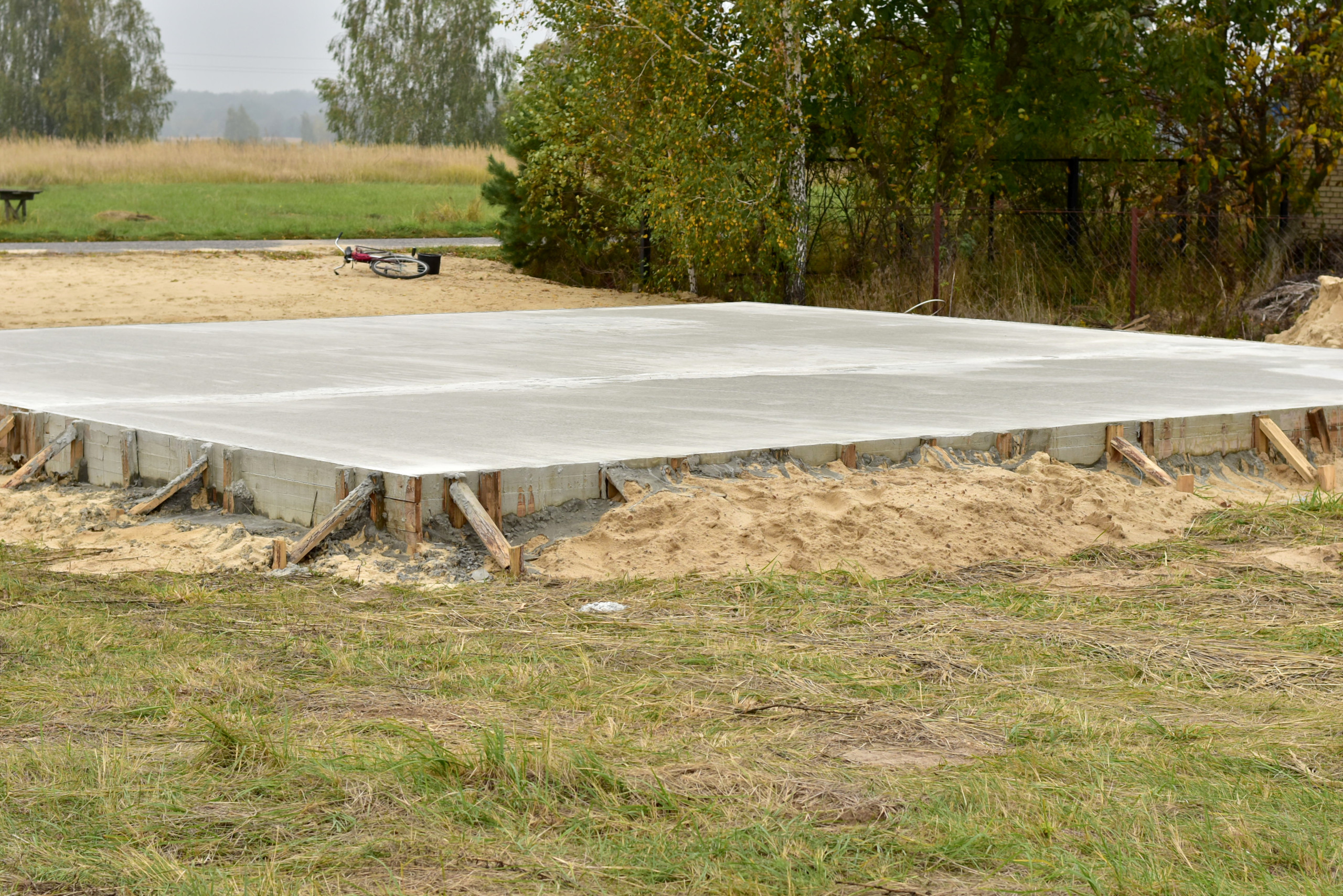
When you’re looking at the base of your home, you’re essentially considering one of four main foundation types. Each has its own characteristics and suitabilities. Here’s the lowdown:
- Slab Foundation
- This one’s straightforward: a big, thick slab of concrete poured directly on the ground. It’s popular in warmer areas because there’s less concern about frost heave (when the soil expands and contracts from freezing, which can damage foundations). It’s cost-effective but lacks under-floor access for utilities.
- Crawlspace Foundation
- With this type, your home sits a bit above the ground on short walls, with a tiny space beneath the first floor. This crawlspace offers easy access to plumbing and electrical systems but needs proper ventilation to avoid moisture buildup, which can lead to mold or rot.
- Basement Foundation
- Imagine a full-floor living area or storage space beneath your ground floor. That’s a basement for you. Great for extra room, but problematic if water finds a way in due to poor sealing. Basements are common in colder climates where the foundation needs to be below the frost line.
- Pier and Beam Foundation
- Think of this as a system of posts or piers that keep the structure elevated above the ground. This setup provides good airflow underneath and is common in areas prone to flooding. It’s a bit more forgiving on uneven terrain but can be susceptible to pier shifting if not installed properly.
Understanding your foundation type is your first step to knowing how to maintain it and when to call in the pros if things look funky. Not all issues need the same fixes, so it’s important to start with the right info.
The Role of a Residential Structural Engineer
Engaging a residential structural engineer is crucial when you start seeing signs of foundation trouble. They’ve got the expertise to sniff out issues that might escape the idle glance. They carry out thorough assessments of your foundation, evaluating the type and severity of the problem before suggesting the way forward. You want someone who can spot the warning signs early, saving your home from further damage and you from added costs down the line.
A structural engineer doesn’t just stop at pointing out the problems; they recommend tailored solutions, choosing the right repair method for your specific situation. This means assessing soil conditions, understanding the quirks of your foundation type, and ensuring that any repair method aligns with local and national safety standards. It’s not about going in with a one-size-fits-all approach. What worked for your neighbor might not be what your home needs.
Importantly, engineers are like the safety net in this process. They ensure that any repair work complies with building codes, keeping everything above board. Skew from compliance, and you’re looking at potential serious legal ramifications or worse, safety hazards. So, leave the hard hats and calculators to the pros. Let them handle the greasy underbelly of foundation repairs while you focus on keeping your home sweet home. How do you make sure you are choosing one that has your back? Here is a resource on “How to Find the Right Denver Structural Engineer For Your Home” and vet them out.
Foundation Repair Methods
When it comes to fixing foundation problems, there are several methods, each tailored to specific issues. Understanding them can mean the difference between a temporary fix and a long-lasting solution.
- Helical Piles: These are like giant screws driven into the ground to stabilize a foundation. They’re perfect for weak or shifting soils, providing a stable base for structures. Helical piles can be installed with minimal disruption, which is great when you want to save your landscaping.
- Push Piers: Imagine steel tubes that burrow deep until they hit stable soil or bedrock. They’re hydraulic-powered and used to lift and stabilize a sinking foundation. You might want push piers if your house is already tilting or showing signs of settling.
- Slab Jacking: If your foundation has minor settling issues, slab jacking might be the answer. It involves pumping a mix, usually cement, under the sunken slab to lift it back to position. It’s quick and cost-effective but best suited for smaller problems, not major structural shifts.
- Wall Anchors: When basement walls start to bow or lean, wall anchors come to the rescue. These devices are installed to counteract the external pressure causing the bending, essentially pulling the wall back into place. They add stability without major overhauls.
Picking the right technique matters. Misjudge the problem, and you’re throwing money down the drain. Proper evaluation by a pro is crucial. Don’t skimp on those initial checks and do it right the first time. The guide goes into more detail surrounding “Types of Foundation Repair”.
When Can a Foundation Not Be Repaired?
Despite being the bedrock of your home, there are times when a foundation is beyond saving. If you’ve got severe structural damage, think huge cracks or noticeable tilts, it might be too late for a fix. Sometimes, it’s not just about patching up a problem but addressing an underlying issue. If you’ve thrown repair after repair at it, but nothing sticks, you’re probably facing the point of no return. In these cases, a complete foundation replacement or a major rebuild might be the only path forward. Always weigh the cost of ongoing repairs against the potential need for starting fresh.
Factors to Consider When Choosing Foundation Repair
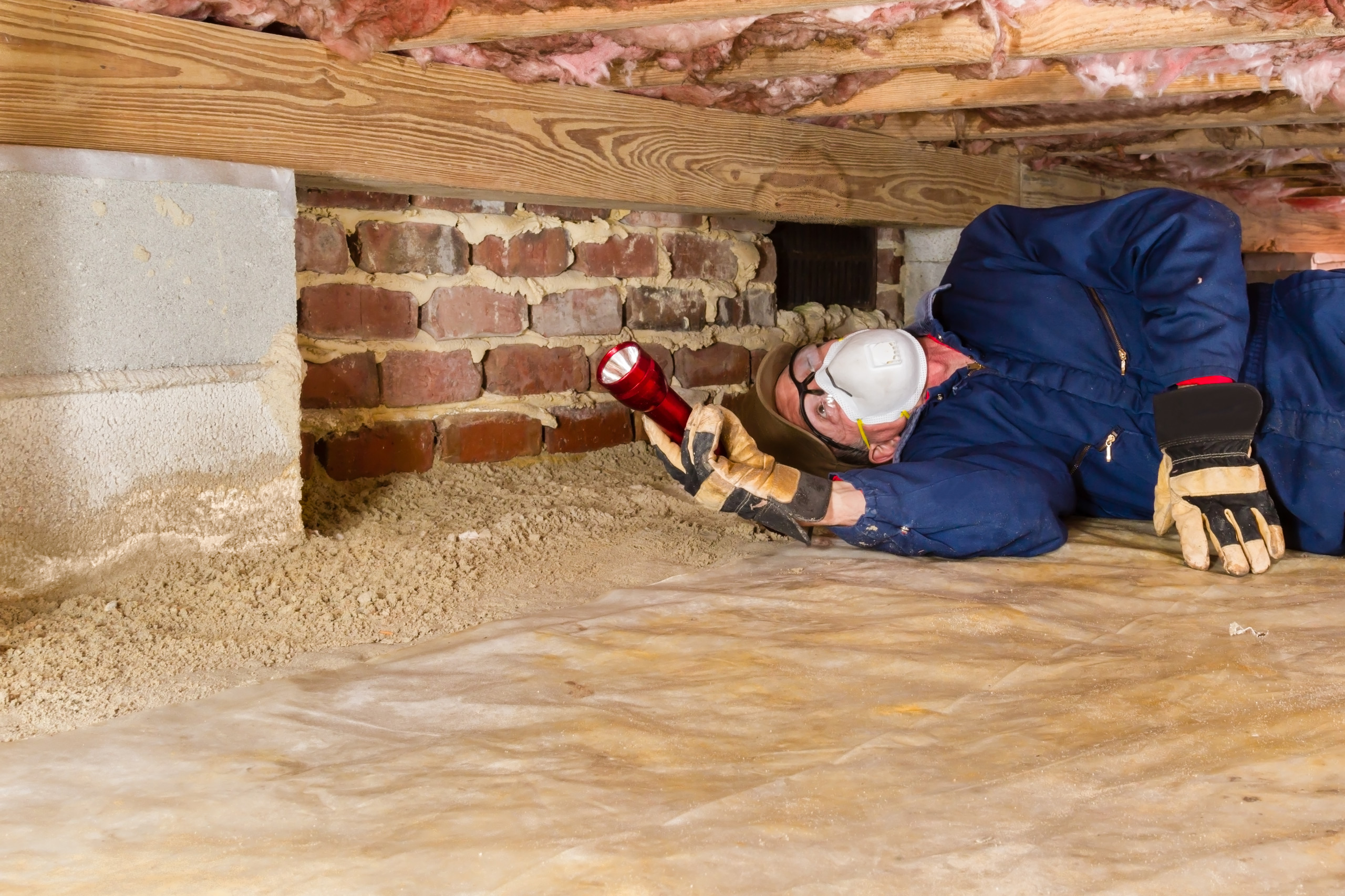
Picking the right foundation repair method isn’t as straightforward as it seems. Several factors come into play, shaping the path you should follow to avoid headaches later on. First off, consider the soil condition and type. Different soils behave differently under stress. Some might expand when wet, while others shrink when dry. Knowing what lies beneath your home is key to choosing an appropriate repair strategy.
Next, assess the severity and type of damage. Is it just a minor crack, or does your foundation resemble a crumbling biscuit? The stakes vary widely depending on what you’re dealing with. Minor settling might be fixed with slab jacking, while more serious issues could require push piers or helical piles for stability.
Then there’s the all-mighty budget constraint. This can turn your realistic dream of a perfect fix into a practical financial plan. Costs can quickly escalate, so it’s wise to balance what you need with what you can afford. Sometimes, a more costly upfront repair can save money in the long run by preventing further damage.
Remember, each factor intertwines with the other. It’s never as simple as applying a one-size-fits-all solution. Weigh these considerations carefully to choose a repair method that suits your home’s individual needs without skimping on quality.
What Type of Foundation Repair is Best?
The best type of foundation repair is the one tailored to your home’s unique issues. Not all problems, and definitely not all homes, are created equal, so identifying the right method requires insight.
Understanding Your Issues
- Slight Shifts: Could be minor settlement or cracks.
- Dramatic Problems: Like bowing basement walls or significant settlement.
Why Choose the Right Repair?
To ensure you choose the right repair, bring in a residential structural engineer. They can:
- Assess what’s happening beneath the surface.
- Provide a clear-eyed analysis of what your foundation needs.
Why a Professional Evaluation Matters
Before jumping into major repair projects:
- Pre-assessment: Saves headaches and unnecessary costs.
- Proper Analysis: Ensures effective, targeted solutions.
Remember, a little upfront evaluation can save many headaches later.
Avoiding Common Foundation Failures
Foundation failures can be costly and stressful, but with a bit of vigilance and maintenance, you can dodge major issues. Regular inspections are your first line of defense: simple checks can reveal emerging problems before they become disasters. Keep an eye on surfaces around the house for any signs of distress, like cracks in the walls or floors, and address them promptly.
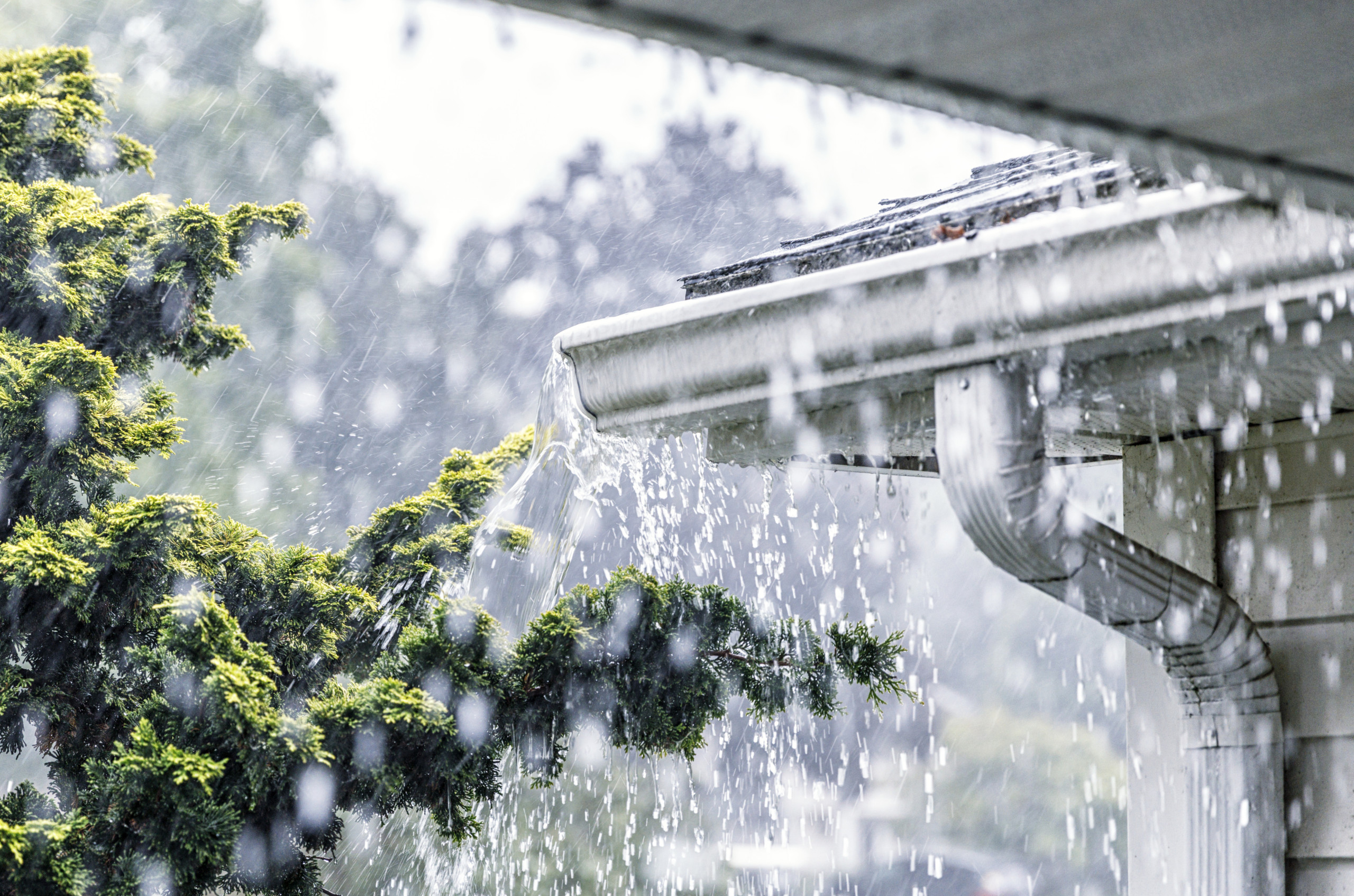
Water is a foundation’s worst enemy, so focus on drainage. Ensure gutters and downspouts direct water away from your home, and check that the ground slopes away from the foundation. Consider extending downspouts or integrating a French drain if necessary. By keeping the area around your foundation dry, you greatly reduce the risk of water-related damage, from seepage to erosion.
Pay attention to any warning signs, no matter how small. Small cracks can transform into significant structural problems if left unaddressed. Fast action can save you from long-term headaches. Engage professionals early when you notice irregularities; experts can often identify more subtle, underlying issues that could snowball into major damage later. Foundation issues thrive on neglect, proactivity is your best bet.
What is the Most Expensive Foundation Repair?
Foundation repairs can run into tens of thousands, particularly when you’re looking at extensive underpinning or outright replacement. Underpinning involves enhancing the foundation’s depth or expanding its area to support a structure comfortably. It’s labor-intensive and demands precise engineering. Replacing a foundation isn’t just swapping out parts, it’s a massive project involving jacking up the entire house. Costs balloon fast when you factor in the size of your home and how severe the damage is. Be prepared for a hefty bill if your foundation woes require such drastic measures.
How Differential Settlement Impacts Your Home
Differential settlement is a sneaky troublemaker. It shows up when one part of your home sinks more than another. Think of it like an uneven chair leg, annoying and not safe. Unequal settling affects the way your home stands and often leads to unwanted cracks. Walls start to split, and doors don’t shut right. Before long, windows are sticking like they’re telling you to pay attention.
The real pain kicks in when structural damage starts to creep in, costing you a lot more than just peace of mind. This isn’t something you want to tackle on your own. Professionals know how to handle load transfer to keep everything nice and balanced. When the signs start showing, it’s best to call in the pros to assess and correct the imbalance. Save yourself the headache and heartache by getting a handle on differential settlement before it becomes a bigger problem.
In conclusion, addressing foundation issues is a critical aspect of home maintenance that demands expertise. While it’s tempting to cut corners or handle minor repairs yourself, it’s crucial to understand the risks involved. Foundation problems can compromise the safety and value of your home, so it’s wise to consult with skilled structural engineers who can accurately diagnose and resolve issues. Trust seasoned professionals for effective solutions that ensure lasting stability and peace of mind. Remember, your home’s foundation is its backbone, treat it with the respect it deserves.