

by Luke Cronin
Share
by Luke Cronin
Share

Understanding the structural integrity of your home is crucial for maintaining its value and safety. A structural engineer foundation inspection can provide you with the insights you need to address potential issues before they become costly. Here’s how you can benefit from such an inspection and what to expect.
Why Consider a Structural Engineer Foundation Inspection?
Think of a structural engineer foundation inspection as a check-up for your home’s backbone. Our homes endure a fair bit of stress: seasonal temperature swings, shifting soils, everyday wear and tear. Over time, these factors can lead to foundation issues that are often hidden from sight. By calling in a structural engineer, you tap into a wealth of expertise that sees beyond the superficial.
A structural engineer doesn’t just look for existing issues; they anticipate future problems. It’s about preemptive action. Catching issues early means you deal with manageable fixes rather than facing massive repairs later. Plus, an engineer’s keen eye can offer insights that go beyond what’s visible, using tools and techniques honed through years of training. This forward-thinking approach can save you considerable hassle and expense down the line.
Overall, a structural engineer’s inspection isn’t about finding problems; it’s about protecting your investment and ensuring the safety of the place you call home.
What Happens During a Structural Engineer Inspection?
During a foundation inspection, a structural engineer performs a thorough evaluation of your home’s foundation. This includes:
- Visual Inspection: The engineer will first conduct a visual survey of your home’s foundation, looking for surface-level issues like cracks in the concrete, signs of water damage, and uneven floors. This visual check helps spot any obvious signs that something’s amiss.
- Assessment: The engineer will assess soil conditions around your property. Different soil types can expand, contract, or shift, affecting the stability of your foundation. Understanding these conditions is key to diagnosing current or future problems.
- Measurement: Specialized tools are employed to measure the levelness of floors and walls. This helps in determining if parts of the foundation have settled unevenly, which could lead to further structural issues.
- Documentation: Detailed notes and photographs are taken to document the current state of the foundation. This serves as a record for you and any future inspectors or contractors, making it easier to monitor changes over time.

For more detailed insights into potential foundation damage, visit “Foundation Damage Guide: Important Warning Signs to Know”.
Signs of Foundation Issues You Shouldn’t Ignore
Be proactive in checking for signs of foundation issues. These include:
- Horizontal or Vertical Cracks: Cracks in the home foundation can indicate movement. Pay close attention to any new or expanding cracks, which could suggest shifting or settling.
- Uneven Floors: Sloping or bouncing floors often suggest foundation problems. If you notice a marble rolling across the room or furniture that’s not sitting right, it’s worth investigating.
- Sticking Doors or Windows: Difficulty opening or closing them could mean shifting. If doors require a shove or windows seem stuck, the foundation might be the culprit.
- Water Damage: Moisture near the foundation can indicate poor drainage or leaks. Persistent water pooling or damp spots near your foundation spell trouble.
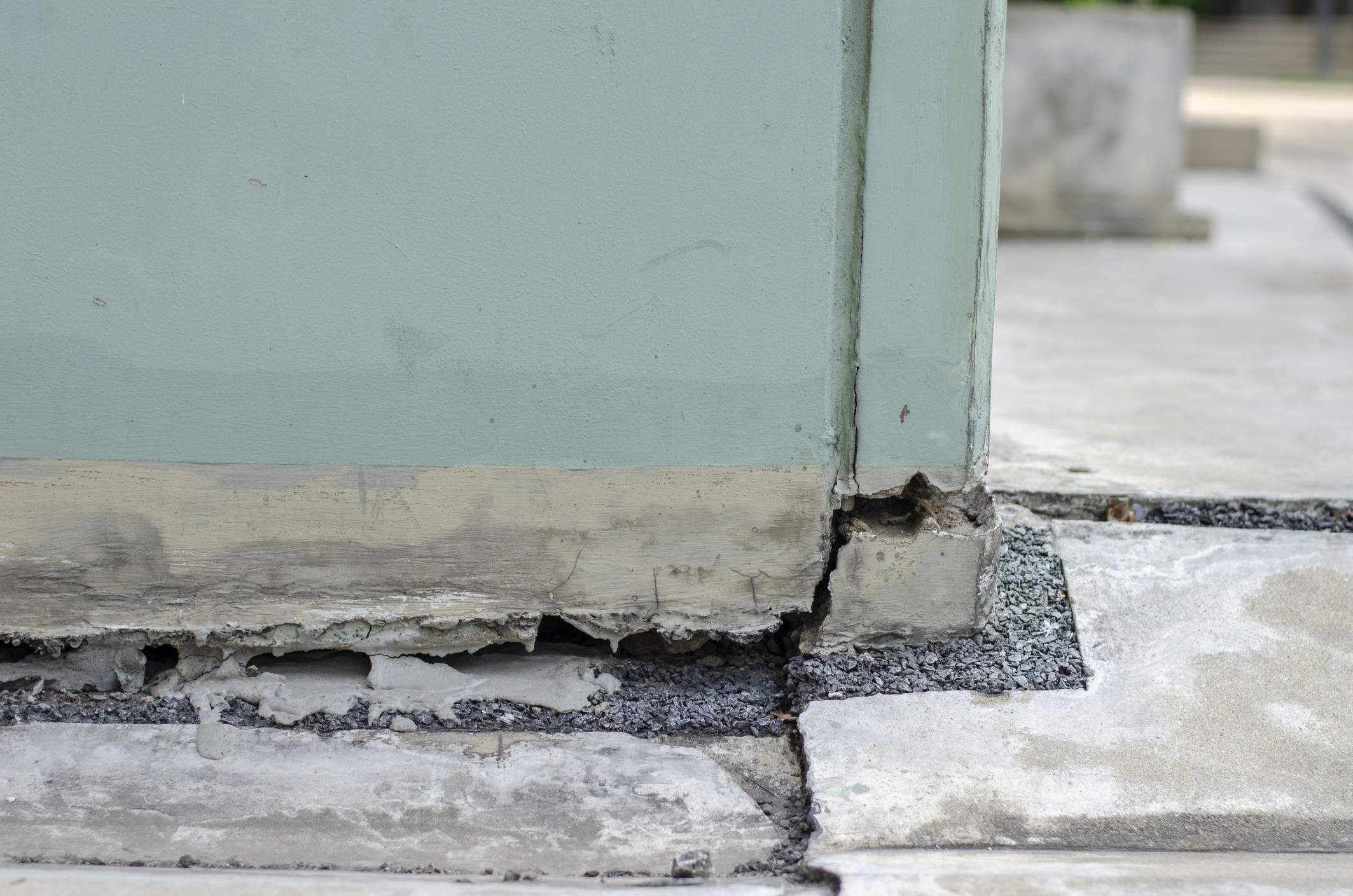
If you notice these warning signs, it might be time for a professional inspection.
Is a Structural Engineer Report Worth It?
Why You Should Consider a Structural Engineer Report
Absolutely. A structural engineer report provides a comprehensive analysis of your foundation’s current state and any potential issues.
Benefits of the Report
- Objective Findings: Offers peace of mind about your home’s condition through unbiased evaluation.
- Practical Insights: Includes technical details with practical recommendations:
-
- Necessary repairs
- Rough cost estimates
The Role in Real Estate Negotiations
- For Buyers: Ensures you’re not entering into a deal with hidden structural problems.
- For Sellers: Reinforces the home’s structural integrity, potentially boosting its market value.
Long-term Investment
Even if you’re not buying or selling, investing in such a report can help:
- Forestall Future Expenses: Early detection of issues can prevent them from growing into larger, more costly problems.
- Save Money: Mitigating foundation repairs now may save you significantly over time.
In conclusion, not only is the report worth it, it’s a savvy investment in your property’s future.
How Does a Structural Engineer Inspect a Foundation?
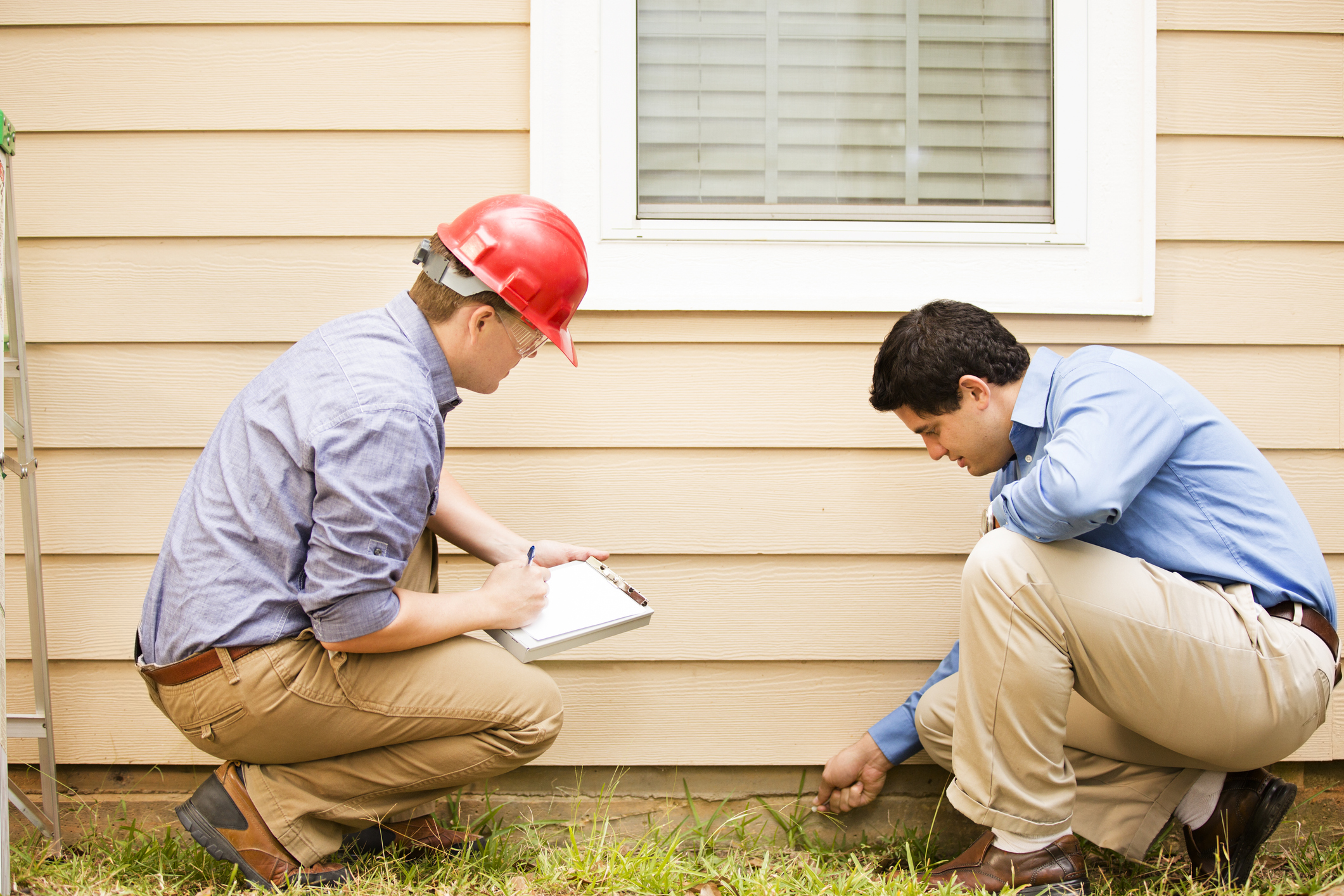
Engineers employ a series of techniques to sniff out and assess foundation issues, ensuring nothing gets overlooked. Here’s the lowdown:
- Load Analysis: This involves checking if your foundation can bear the weight of your house. Engineers calculate the structural load and assess whether it aligns with what’s currently being supported. This step helps identify if structural stress is within safe limits or if adjustments are needed to maintain stability.
- Material Evaluation: Not all concrete (or CMU) is created equal. Engineers examine the condition and quality of the foundation material, looking for signs of deterioration, cracks, or exposure to elements. They might assess how well materials like concrete and steel have held up over time, which speaks volumes about the foundation’s health.
- Soil Testing: The ground your house stands on plays a big role. Soil around the foundation is analyzed for composition and moisture levels. Certain soil types can be expansive or shrink when wet or dry, affecting foundation stability. Understanding soil behavior is crucial to foresee and prevent future issues.
Through these detailed assessments, structural engineers provide a clear picture of your foundation’s current state and how to keep it in tip-top shape going forward.
How Much Should a Structural Engineer Report Cost?
The cost of a structural engineer report varies, often depending on location and the scope of inspection. You can expect to pay between $500 to $1,000. Pricing may vary based on:
- Home Size: Larger homes may require more detailed inspections.
- Age of Home: Older homes could have more unique issues to address.
- Severity of Issues: More severe issues might necessitate a more thorough analysis.
A bigger house means more ground to cover, literally. If your property sprawls, they’ll likely spend more time inspecting, which can push costs northward. If you’re in an older abode brimming with vintage charm (and potential problems), expect a bit more inspection time, which could also affect costs. Finally, if your home already shows alarming signs like extensive cracking or visible shifts, additional tests or specialized equipment might come into play, again nudging the fee upwards. Consider this expenditure an investment; catching issues early can save on costly repairs later.
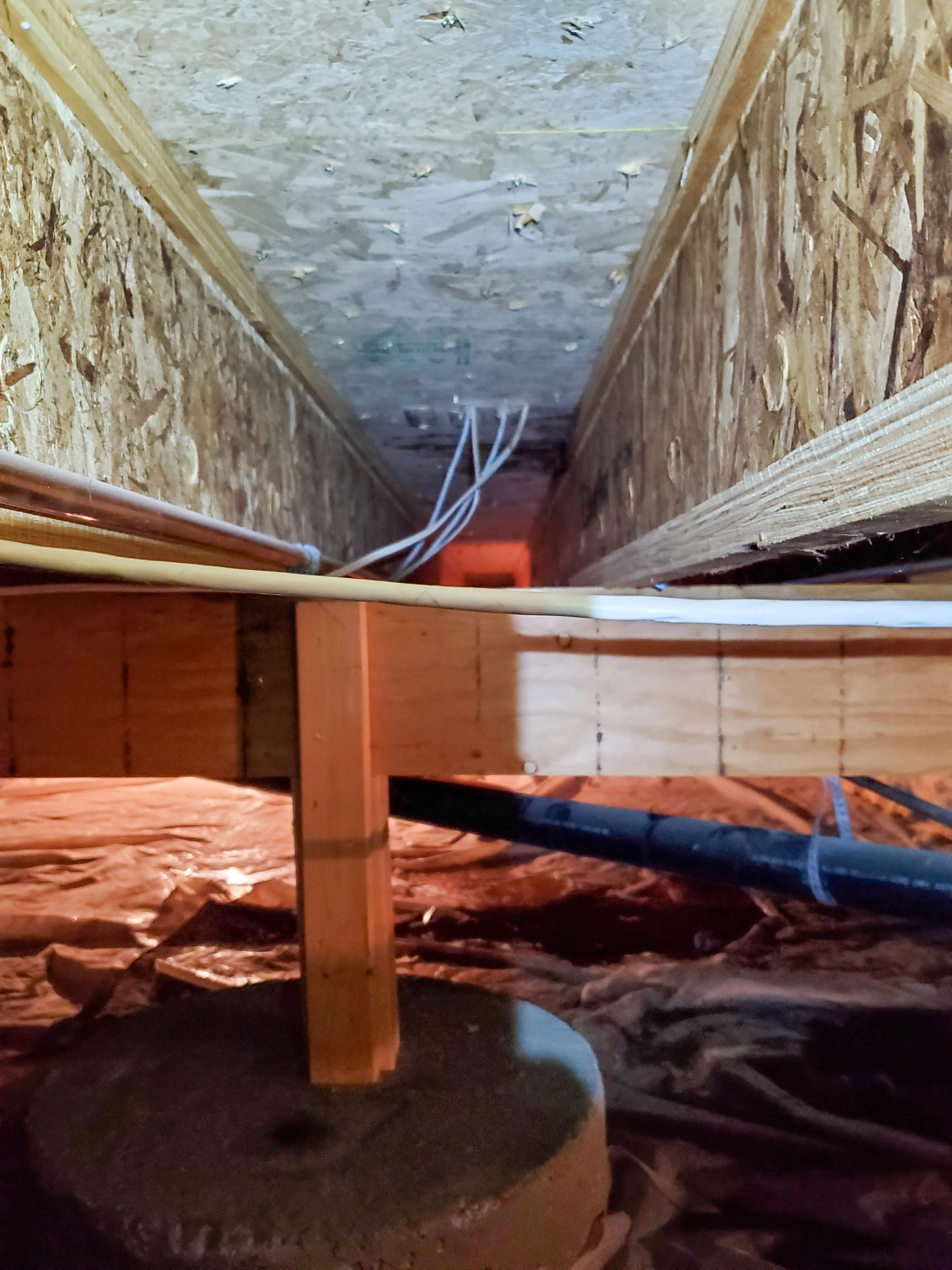
Foundation Issue Inspection: What’s Next?
Once you’ve got your inspection report, it’s time to take action. Here’s a streamlined approach to handling your next steps:
- Repairs: If your report highlights significant issues, tackle these with urgency. This might involve hiring a contractor to address cracks, reinforce weak spots, or remedy soil erosion.
- Monitoring: For less severe issues, ongoing observation can be key. Keep a log of any changes in cracks or other deviations mentioned in the report. It’s like having a foundation diary; note anything unusual.
- Preventive Measures: Think of this as giving your foundation its own suit of armor. Consider enhancing drainage systems to divert water away from your foundation or reinforcing structures that support it. These steps can stave off larger issues down the line.
Remember, acting promptly not only safeguards your home but can also prevent future headaches (and expenses). Prioritize repairs to avoid the trouble of escalating damage, ensuring the foundation remains solid as a rock.
How Critical Are Structural Engineers?
Structural engineers in foundation inspections are the hidden heroes in keeping your home safe and sound. Their expertise provides:
- Expert Assessments: They don’t just glance over your foundation; they delve into the nitty-gritty, spotting issues only a trained eye can see.
- Solutions and Guidance: Beyond identifying problems, they offer tailored solutions to prevent minor issues from snowballing into major, costly repairs.
- Code Compliance: They ensure that any modifications or repairs align with local building codes, keeping you on the right side of regulations.
In short, having a structural engineer in your corner is like having a peace-of-mind guarantee for your home’s structural integrity. For deeper insights into why you might need a structural engineer, check out “10 Reasons You Need a Structural Engineer”.
FAQs
What Is the First Sign of Foundation Issues?
Cracks in walls, ceilings, or floors often indicate a problem.
Can I Inspect My Foundation Myself?
Yes, look for visible cracks, sloping floors, or sticking doors. However, a professional inspection offers a more accurate assessment.
How Often Should I Get a Foundation Inspection?
Consider an inspection every few years or if you notice signs of potential damage.
Will Extreme Weather Affect My Foundation?
Yes, extreme weather can cause soil shifts, affecting stability. Understanding the foundational health of your home not only ensures safety but also aids in preventing costly repairs down the road.