

by Luke Cronin
Share
by Luke Cronin
Share

Documenting structural damage is no small task. It serves to identify what’s broken and guides necessary repairs. Experts rely on your documentation to assess the scope and severity of damage. The process is vital whether you’re a homeowner, property investor, or involved in construction.
Introduction
Structural damage refers to a compromise in the integrity of essential components like walls, floors, and roofs. It’s more than just an eyesore—it can pose serious safety risks and undermine property value. Capturing precise documentation of any damage is crucial. Why? Because sloppy or missing records can lead to misdiagnoses by experts, costly repairs, or even catastrophic failures if issues are left to fester. Ignoring structural problems might seem like a small oversight, but it can balloon into financial strain or hazardous living conditions. Remember, in this arena, your photos, notes, and observations are not just evidence; they’re a lifeline.
What Would Be Considered Structural Damage?
Structural damage refers to any physical harm that affects the integrity or stability of a building or structure. It’s not just an aesthetic issue—it’s about the bones of the building, and it can significantly affect both safety and property value. Common types of structural damage include cracks in walls, floors, or the foundation, as well as issues like leaning walls, sagging roofs, or misaligned doors and windows.
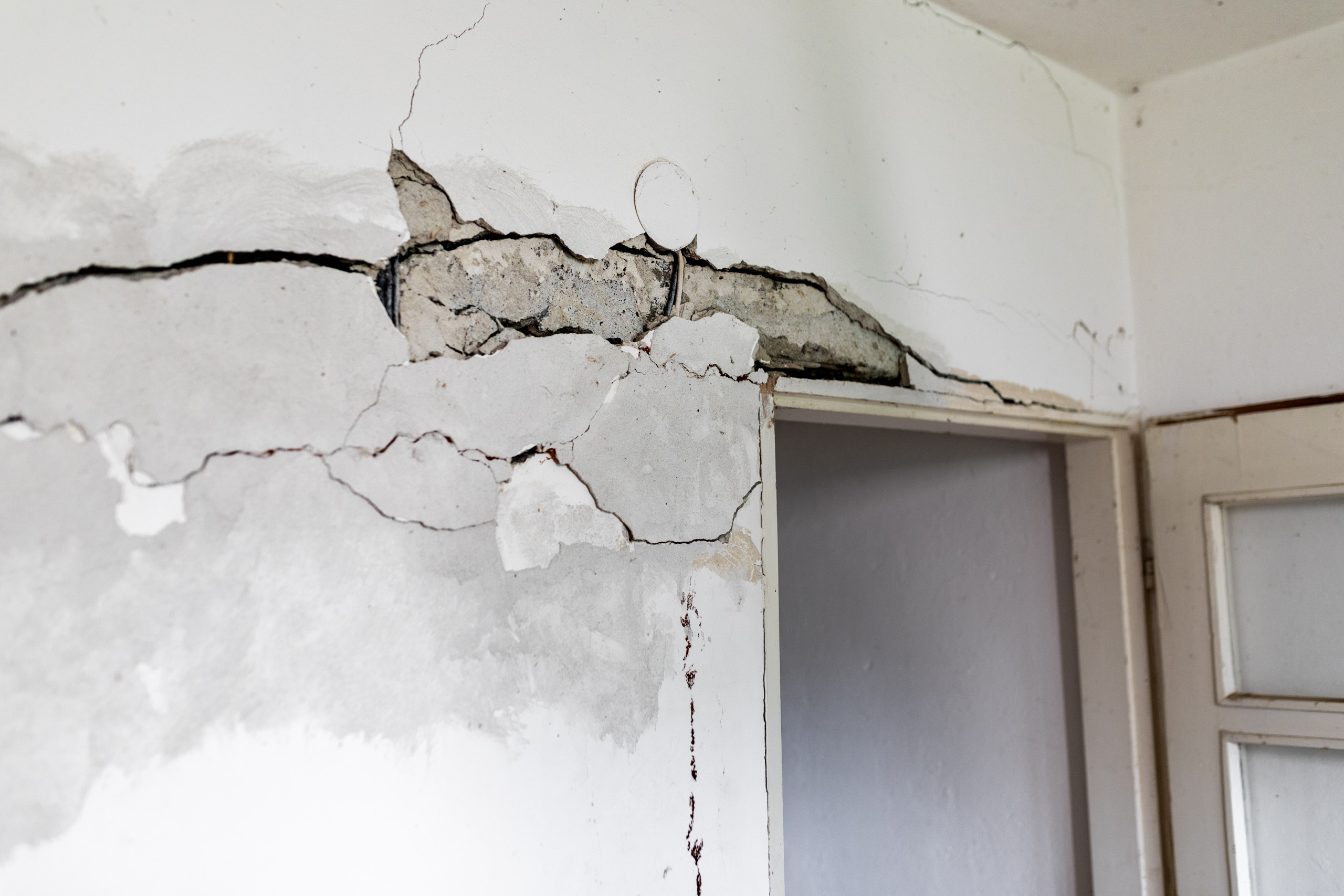
Cracks are among the easiest to spot: think about a hairline fracture in a wall or a noticeable gap in the basement. Sometimes, these are cosmetic, but they often signify something deeper, like shifts in foundation. Misaligned door frames or windows that stick can also signal that the structure is settling unevenly.
Beyond visible issues, structural damage can degrade the safety of a building. Imagine heavier impacts, like foundation shifts that could lead to partial or total collapse. Even less catastrophic issues, like sagging floors or leaning walls, can deter potential buyers and bring down property values significantly.
To put it simply, structural damage isn’t just a problem—it’s a liability. Spotting it early can prevent bigger headaches down the road and keep your property safe and sound.
How to Check for Structural Damage
Spotting structural damage early can save you headaches — and wallet aches — down the line. Start by keeping your eyes peeled for certain telltale signs.
Interior Indicators
Begin with visual indicators inside the property:
- Cracks in Walls: Hairline cracks could be nothing, or they could be a whisper of bigger issues.
- Doors and Windows: Look for doors that jam out of nowhere or windows that stick — they might be tattletales for shifting foundations.
Exterior Examination
Step outside and walk the perimeter of the building:
- Foundation Check: Eyeball the foundation for small fissures or discolored spots.
- Windows and Doors: Pay particular attention to areas around windows and doors, as these locations often bear the brunt of structural shifts.
Basement or Crawl Space Inspection
Move to the basement or crawl space:
- Water Damage or Mold: Check for any signs of water damage or mold — they’re more than just cosmetic concerns.
- Beams and Ceilings: Look up for sagging beams or ceiling cracks, which can signal trouble.
When to Call a Professional
Remember, while these basic checks can flag potential concerns, they’re not replacements for professional evaluations:
- Significant Signs: Groaning floors, cracks you can fit a coin in, or a sudden drop in part of the building aren’t just personal projects.
- Act Quickly: If it feels significant, it likely is. Fixing it sooner rather than later is usually the right move.
What is Evidence of Structural Damage?
When it comes to spotting structural damage, the evidence is often right under your nose if you know what to look for. Experts typically zero in on telltale signs.
Common Indicators of Structural Damage
- Sagging Floors: This suggests support issues beneath your feet.
- Sticking Doors: If doors that once swung easily now stick or won’t close properly, that unevenness could signal shifting foundations.
Visual Clues
- Cracks in Walls:
-
- Hairline Cracks: Might point to minor settlement.
- Wide, Gaping Cracks: Could indicate more serious problems such as foundation weakness or even a potential structural collapse.
Severe Signs Requiring Immediate Attention
More severe signs demand urgent attention to prevent further escalation:
- Foundation Problems:
-
- Concrete slabs cracking visibly.
- Floors tilting unnaturally, hinting at profound issues below ground.
- Collapsed Structures: Signify the ultimate failure, where previous evidence went unnoticed or unaddressed for too long.
Recognizing these signs early allows you to curtail further damage and kickstart effective mitigation.
How Do You Detect Structural Damage?
Detecting structural damage requires a blend of awareness and technique—knowing what to look for and employing the right tools. Start with a visual assessment. Walk through the property, checking for obvious signs like cracks in walls or ceilings, sloping floors, or sticking doors and windows. These can often be early indicators of potential structural issues.
Modern technology plays a crucial role in detecting damage that might not be apparent to the naked eye. For instance, thermal imaging cameras can reveal moisture intrusion, which often precedes mold and structural decay. This technology allows you to see temperature variations behind walls, indicating possible water leaks or insulation issues that could compromise structural integrity.
For those without access to advanced tools, using a simple flashlight and level can still uncover a lot. Shine the light along walls and surfaces to spot unevenness or shadow lines that suggest bowing or bulging. A level helps confirm any suspicions of slanting floors or walls, key signs of foundation shifts.
When the initial assessment raises concerns, it’s wise to bring in a professional. Structural or forensic engineers or specialized contractors have the expertise and tools, like laser level kits and moisture meters, to evaluate the severity of the problem. They can provide a more in-depth analysis, ensuring that anything you’re seeing is assessed correctly and addressed promptly.
Detecting structural damage isn’t just about what meets the eye. Employing straightforward methods alongside technological aids can unearth problems before they escalate. And when in doubt, professional help ensures precision, keeping your property safe and sound.
Proper Techniques to Document Structural Damage
Documentation of structural damage isn’t about flooding your files with photos and notes—it’s about precision and clarity. Start with clear descriptions and accurate measurements. When describing damage, be specific: is it a hairline crack or a gaping fissure? Quantifying damage with measurements helps set a baseline for future comparison and repair assessments.
Effective photographs are a staple in your documentation toolkit. When taking photos, go for a mix of wide shots and close-ups to show both the context and the detail. A wide shot might capture the entire wall, while a close-up zeroes in on the crack itself. Incorporate items like a ruler or a coin in your shots to provide scale; this turns an abstract issue into something quantifiable.
In some cases, video can be an invaluable supplement. Capture a walkthrough of the damaged area, narrating as you go to highlight particular concerns. Videos are particularly useful for showing issues like creaky floors or malfunctioning doors, where the movement itself is the problem.
Remember, your goal is clarity—think Spartan simplicity, not an elaborate presentation. Keep it real, and keep it useful for the experts who will use your documentation to solve the issues.
Preparing Reports for Expert Analysis
Creating a structural damage report isn’t just about jotting down issues; it’s about crafting a tool for analysis. Experts need clarity, so your report should cover the essentials: a clear description of the damage, precise measurements, and photographic evidence. Stick to a spartan approach—give relevant details without fluff. Consider using digital tools or software like Microsoft Word or specialized apps like HomeGauge to streamline your report-making process.

Your report should flow logically. Start with an overview: include property details, inspection date, and the scope of your documentation. Move to detailed damage descriptions paired with photographs. Remember to label your images clearly; a picture of a cracked wall should be more than just an image—it should be marked, annotated, and referenced with accompanying written descriptions. Ensure you mention the location within the building and the possible implications of each damage type.
Wrap up with a concise summary that highlights major concerns and directs the experts’ focus. Include any observed progression of damage, if known, to aid further assessment. This is an opportunity to flag areas where you suspect underlying issues may exist.
Lastly, make provisions for ongoing updates. Structural damage reports are not static documents; they should evolve as new information comes to light or remediation occurs. With concise, well-organized documentation, you’re better equipped to provide experts with a snapshot that’s both informative and actionable, ensuring they can deliver precise analysis and recommendations.
When to Consult with Structural Engineers
Sometimes, it’s clear you’re out of your depth, and calling in the pros is the best move. If you’ve spotted serious issues like extensive foundation cracks, significant bowing walls, or noticeable shifts in the building’s structure, it’s time for expert evaluation. Structural engineers bring value to the table with their ability to assess complex problems and propose reliable solutions.
In more risky situations, like when safety may be compromised, or there are legal implications tied to potential property harm, professional insight isn’t just advisable—it’s crucial. They can affirm the structural soundness of older buildings or assess damage following natural disasters, ensuring all bases are covered.
For further guidance on when to let the experts take the lead, check out Property Investment Red Flags: Structural Issues to Look For.
The Role of Insurance in Structural Damage
Navigating the labyrinth of insurance claims for structural damage can be as complex as the damage itself. When a structural issue arises, the thoroughness of your documentation becomes crucial in the eyes of insurance companies. Here’s how to make sure you’re well-prepared:
Essential Steps for a Successful Insurance Claim
- Comprehensive Documentation: Go beyond a few hasty snapshots.
- Photos and Videos: Capture every angle and detail of the damage.
- Written Reports: Document timelines, damage descriptions, and any initial assessments.
- Tell a Cohesive Story: Your photos, videos, and reports should collectively tell a clear story that ensures the damage is accurately represented and eligible for coverage.
- Strengthen Your Position: Detailed evidence streamlines the claims process and makes it more challenging for your claims to be undervalued or dismissed.
Advocating for Your Entitlement
- Understand Your Coverage: Know what you’re entitled to and how to advocate for yourself.
-
- Resources like Insurance Claim Recovery Support can provide valuable guidance.
- Utilize Expert Resources: Leverage professional advice to maneuver through complex insurance situations.
Documentation: Your Strongest Ally
Remember, your documentation is not just a necessity for repairs; it’s your strongest ally in securing the support you deserve. When structural issues arise, the goal is not only to repair but to restore the confidence that your property investment is protected.
In conclusion, documenting structural damage thoroughly is pivotal in mitigating risks and streamlining necessary repairs. Each step—from identifying common signs like wall cracks to employing modern detection technologies—plays a critical role. Proactive detection and meticulous documentation can forestall more severe issues down the line. Taking wide and detailed photos, incorporating clear measurements, and compiling comprehensive reports are not just best practices; they are essential in ensuring structural integrity. Collaborating with experts, like structural engineers, enhances the assessment process and provides deeper insights into repair solutions. This partnership between documentation and expert analysis ultimately aids in preserving property value and ensuring safety.