

by Luke Cronin
Share
by Luke Cronin
Share
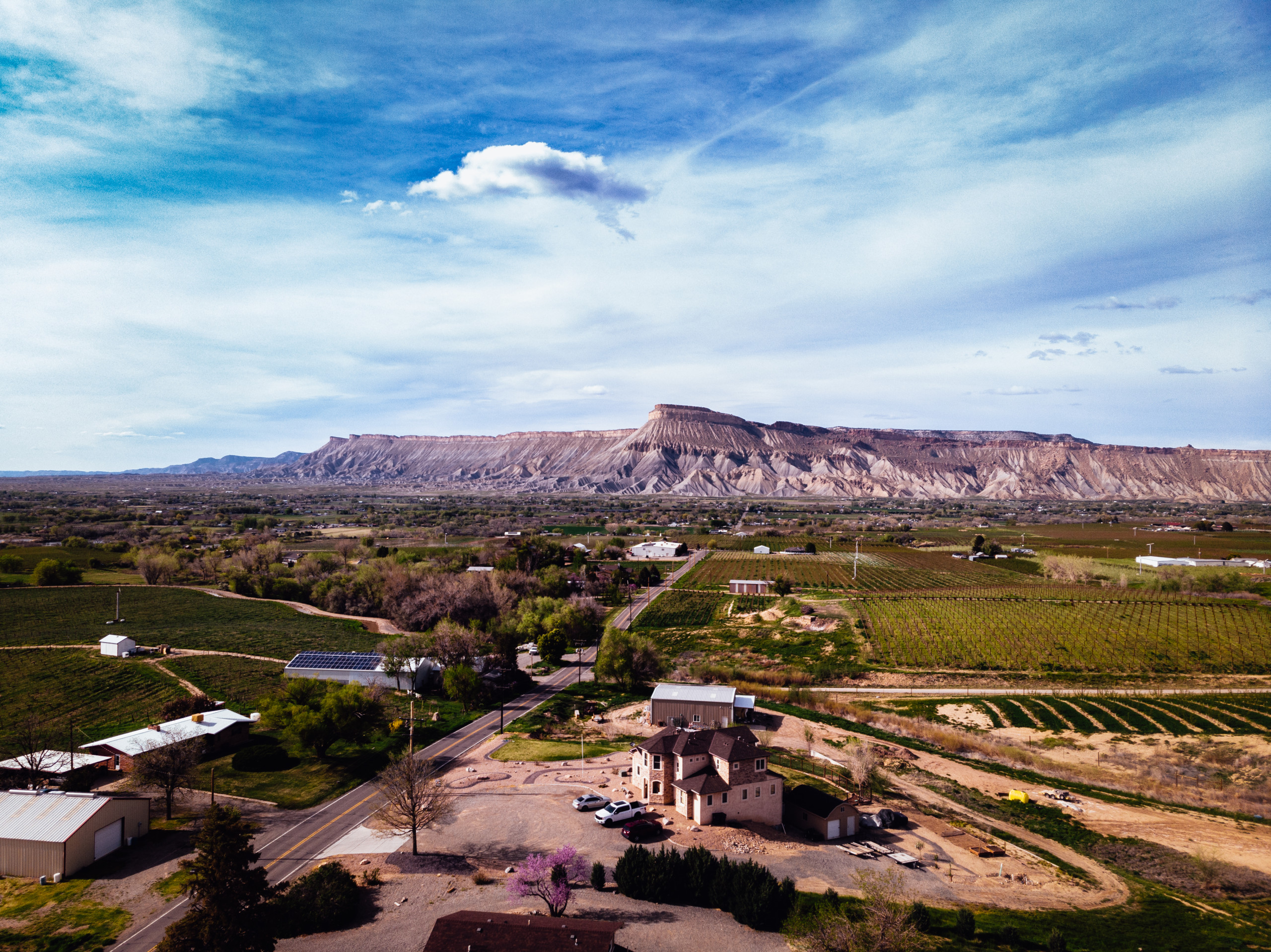
Colorado’s breathtaking landscapes might make for great views, but the geological conditions present unique challenges for homeowners. One of these challenges is dealing with expansive soils, which can cause unexpected foundation problems. Understanding how these soils affect your property is essential.
Understanding Foundation Problems
In the world of homeownership, “foundation problems” evoke a slew of structural setbacks that savvy homeowners dread. At their core, these issues refer to damage that affects the stability and integrity of the base of your home. Signs that your foundation might be faltering include cracks in walls or ceilings, doors and windows that stick (or won’t close properly), and uneven or sloping floors. It might seem intuitive to ignore subtle signs like a barely noticeable fissure in the wall, but dismissing these symptoms can lead to costly repairs down the line.
Why should you care? Well, foundation problems aren’t just aesthetic blemishes; they’re red flags that signal possible compromises to your home’s stability. Left unaddressed, these problems can escalate, leading to significant structural damage, decreased property value, and potential safety hazards. When your home’s foundation starts to fail, it can shape-shift the rest of your structure, creating uneven floors and misaligned walls. As a homeowner, understanding foundation problems early equips you with the foresight to protect your biggest investment and maintain a safe living environment.
What is Expanding Soil?
Expanding soil, also known as expansive soil, is a type of earth that undergoes significant volume changes in response to varying moisture levels. This kind of soil is rich in certain clay minerals, such as montmorillonite, that possess a unique ability to absorb water and swell. As moisture evaporates in dry conditions, the soil contracts. This constant shift in volume can exert substantial pressure on surrounding structures, making it a hidden menace for foundations.
Effects of Expanding Soil
When expanding soil interacts with water, the results can be strikingly dynamic:
- Heavy Rainfall and Irrigation:
- During periods of heavy rainfall or when irrigation systems run amok, expansive soils swell.
- This swelling applies upward pressure to overlying structures.
- Drought Conditions:
- During droughts, the soil loses moisture and contracts.
- This contraction creates voids beneath foundations.

Structural Implications
These fluctuations in soil volume pose significant threats to buildings, such as:
- Cracks in walls and foundations
- Uneven settling of structures
- Other structural distortions over time.
Importance of Understanding Expansive Soil
Understanding the behavior of expansive soil is crucial for homeowners and builders, especially in regions like Colorado, where the impact of such soils is all too familiar. Proper measures must be taken during construction to mitigate potential damage, ensuring long-term stability and safety.
Does Soil Expand When Wet?
When soil meets moisture, a fascinating transformation takes place. This is particularly true for certain types of soil, such as clay-rich soils, which are abundant in regions like Colorado. When these soils absorb water, they can expand significantly, a process dictated by the soil’s mineral content and composition.
How Soil Expands
- Clay-rich Soils: These are particularly prone to expansion due to their mineral content.
- Particle Swelling: The tiny, plate-like particles in clay soil have surface areas that swell when moisture is present.
- Volume Increase: This swelling causes the overall volume of the soil to increase.
Impact of Moisture Content
Moisture content directly affects soil behavior:
- Volume Growth: As water saturation rises, the soil’s volume continues to grow.
- Structural Pressure: The expanded soil can exert pressure on any structures resting on it.
- Contraction and Risk: Conversely, when the water recedes, the soil contracts. This can lead to:
- Uneven support for foundations.
- Increased risk of cracking and other structural issues.
Understanding this moisture induced soil dance is crucial for maintaining the health and stability of buildings in moisture prone regions.
Causes of Ground Sinking and Heaving
In Colorado, ground sinking and heaving are like uninvited guests that pop up whenever the weather decides to change. These processes are primarily fueled by the region’s notorious expansive soils. Heaving occurs when the soil beneath a foundation swells, often due to an uptick in moisture content. It’s akin to a sponge soaking up water; everything puffs up. In Colorado, this is often observed following a particularly wet season. On the flip side, sinking happens when there’s a loss of moisture, and soils contract. Think of it as the earth letting out a slow exhale, only to leave your foundation hanging in the balance.
Expansive soils play the villainous role in this dynamic. These soils, often laden with clay minerals, have a unique ability to absorb water and expand. However, when the dry season hits and the soil loses its moisture, the contraction sets in. This weighty dance of swelling and shrinking becomes a foundation’s worst nightmare. In Colorado, where geological diversity is immense, a sudden change in soil volume can cause significant stress to structures, resulting in cracked walls, uneven floors, or even worse, compromised building integrity. While picturesque, living in such vibrantly changing landscapes demands diligence from its homeowners to mitigate these soil induced surprises.
Colorado Geologic Hazards
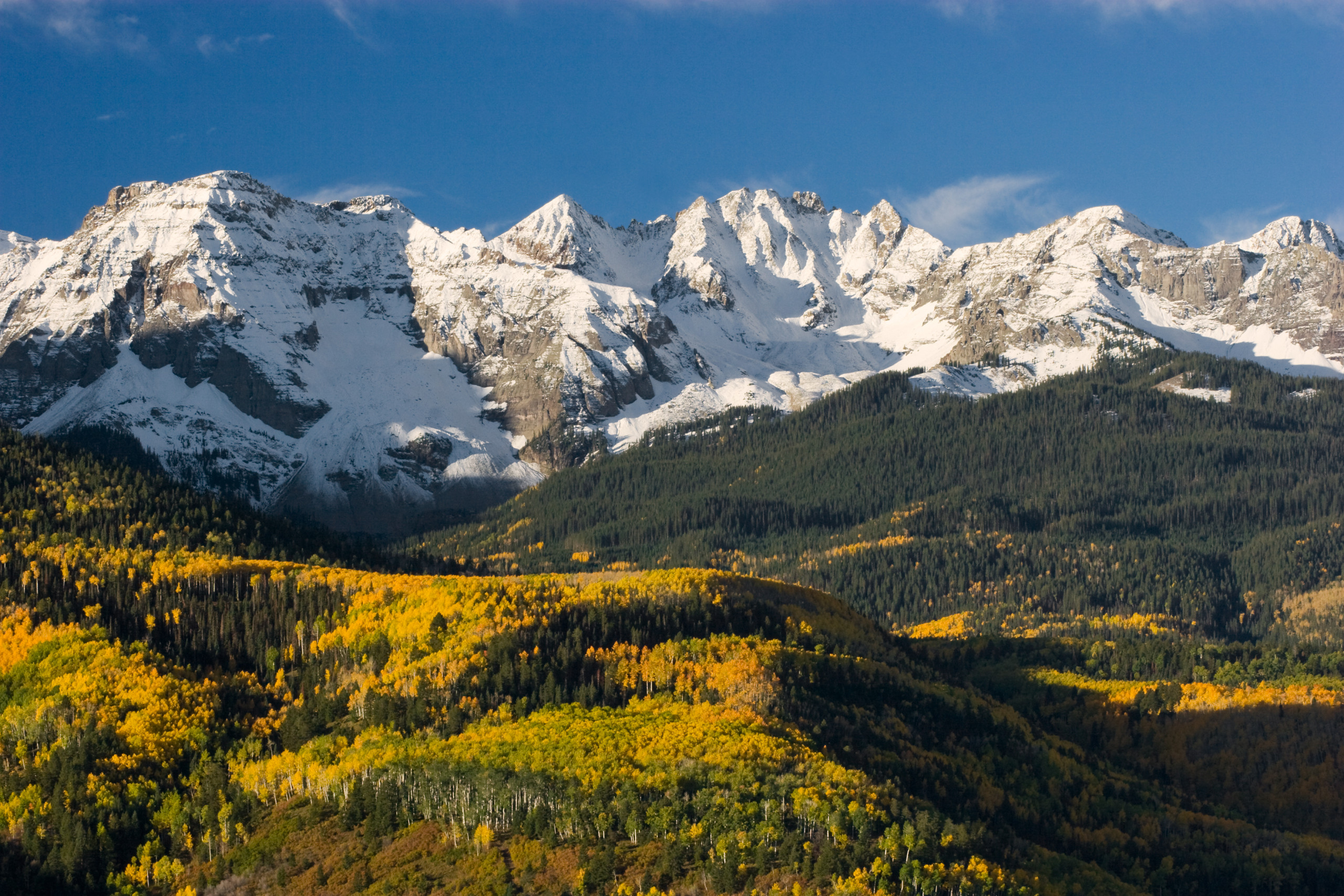
Colorado’s geology is as formidable as it is beautiful. The state’s diverse terrain ranges from the rugged Rocky Mountains to the expansive plains, but underlying these sweeping landscapes are some pesky geological challenges, none more notorious than expansive soils.
Understanding Expansive Soils
- The Threat: Expansive soils are a pervasive issue due to a mix of sodic clays and seasonal moisture variations.
- The Process:
- Wet Conditions: Soils absorb water and swell (like a sponge) from rainfall, snowmelt, or irrigation.
-
- Dry Conditions: Soils shrink, pulling away from foundations.
This ongoing cycle of expansion and contraction can lead to significant structural issues, such as heaving, cracking, and eventual damage to homes.
The Role of Smectite Clay
The Colorado Geological Survey: Expansive Soil and Rock highlights:
- Smectite Clay: A significant component of the state’s soil profile.
-
- Known for considerable volume change upon wetting and drying.
- Increases the risk of foundation problems for homes built on affected ground.
Mitigating the Impact
Given these hazards, understanding and mitigating the impact of expansive soils should be a top priority for current and prospective Colorado homeowners.
Key Strategies:
- Conduct proper site assessments, including:
- Soil tests
-
- Structural evaluations
Aim to ensure homes stand the test of time, even against the tough Colorado ground.
The Role of Clay Soil in Foundation Issues
The Dual Nature of Clay Soil
Clay soil is known for its dual characteristics:
- Malleability when wet: Composed of fine particles that are easily moldable.
- Hardness when dried: Can be shaped into hard bricks.
These properties seem harmless but are central to many foundation problems.
Volume Changes Due to Moisture
Clay soil naturally undergoes significant volume changes with moisture level shifts:
- Absorption of water: When wet, clay soil expands like a sponge, increasing in volume.
- Loss of moisture: When dry, it contracts significantly, leaving voids.
Understanding these changes is crucial in addressing foundation issues.
Effects on Foundations
The expansion and contraction of clay soil create specific challenges for foundations:
- Heaving: Expanding soil exerts upward pressure, lifting the foundation.
- Settling: Contracting soil can cause uneven settling of the foundation.
These cycles of swelling and shrinking can result in:
- Cracks
- Tilts
- Structural issues

Regional Impact: Example of Colorado
Clay soils in regions like Colorado’s Front Range are particularly affected:
- Wetter months: Homes may slightly rise.
- Dry spells: Homes may experience a sinking effect.
By understanding these dynamics, homeowners can mitigate repair costs and structural damage.
Importance of Soil Testing
Before breaking ground on any construction project, conducting soil testing is crucial. This isn’t just a checkbox in the pre-construction checklist; it’s your first line of defense against costly future surprises. By assessing the soil’s expansion potential, contractors can tailor foundational designs to mitigate risks associated with expansive soils.
Soil testing involves a series of evaluations conducted by geotechnical engineers, which often include boring operations and laboratory analyses to determine soil composition and moisture levels. These tests reveal crucial data about the soil’s bearing capacity, shrink-swell potential, and overall stability, factors that directly influence the type of foundation that should be used.
Not only does soil testing help forecast potential challenges, but it also informs the necessary adjustments in construction techniques, such as the depth and type of foundations or the implementation of moisture control systems. As a homeowner or developer, investing in thorough soil assessments can prevent headaches down the road, ensuring that structures are equipped to handle Colorado’s capricious soil dynamics.
Are Foundation Issues Common in Colorado?
Yes, foundation issues are quite common in Colorado, and you can blame the expansive soils that are scattered throughout the state for that. The prevalence of these soil-related problems means it’s not unusual to hear homeowners swapping stories about foundation woes at neighborhood barbecues. According to a survey by home inspection experts, roughly 25% of homes in the region experience some form of foundation distress over their lifetime. If you’ve been in the state for even a short while, it’s likely you’ve seen a floor crack or two in someone’s basement.
Statistics paint a telling picture: in areas like Denver and Colorado Springs, foundation repair contractors report a significant uptick in business following periods of heavy rain or snowmelt. This isn’t a coincidence. When precipitation levels rise, that troublesome clay soil swells, putting pressure on foundations and sometimes leading to shifts that can be seen and felt. So, for many residents, monitoring the weather isn’t just about planning weekend hikes but also about anticipating potential house repairs.
While worrying about your home’s foundation might not top your daily to-do list, being aware of the commonality of these issues can serve as a good reminder to keep an eye out for telltale signs like cracked walls, uneven floors, or doors that suddenly stick. Being proactive and educating yourself, as many Coloradans will tell you, is half the battle against these pesky foundation problems.
Should You Buy a House on Expansive Soil?
Deciding whether to buy a house built on expansive soil involves weighing a mix of pros and cons. On the plus side, these homes are often more affordable, as the presence of expansive soil can drive down property prices. Additionally, with the right precautions, homeowners can mitigate potential issues. However, the downsides are significant. Expansive soils can lead to foundation damage, causing a laundry list of headaches like cracked walls and doors that won’t close properly.
Before you jump into a purchase, here are some key considerations. Conduct thorough soil testing as part of your home inspection process. This can prevent future surprises by uncovering potential soil movement issues. If you’re committed to a property, investing in a robust foundation design from the get go can be a lifesaver. Look into features like deeper footings and proper drainage systems; these can mitigate many risks associated with expansive soils.
Ultimately, buying a house on expansive soil isn’t a decision taken lightly. With careful planning and expert advice, it’s possible to manage the risks. But keep in mind, it’s a tradeoff between upfront costs and peace of mind.
Importance of Foundation Inspection
Foundation inspection might seem like a chore, but it’s your frontline defense against costly surprises. Imagine walking into a beautifully staged house, only to find out later that your living room floor is slowly turning into a seesaw. Here’s the lowdown: a foundation inspection involves checking for signs of distress like cracks in the walls, uneven floors, or doors that refuse to close properly. These red flags often hint at deeper issues lurking beneath the surface.
So, how do you conduct a solid inspection without turning it into a treasure hunt? Start by eyeing the exterior for cracks, both hairline ones and their wider, more ominous relatives. Move on to the windows and doors; if they start sticking as if they’ve struck up a sudden friendship with the frames, that’s a nudge towards trouble. Inside, check for any unevenness or gaps in the flooring. Bringing in a professional can save you time and energy, plus, they’ve got the tech to probe in places your eyes and flashlight can’t reach.
Good inspections are about catching the problem before it demands attention like a toddler at a toy store. Equip yourself with this basic knowledge, and you’ll navigate the rocky terrain of Colorado’s foundations with a lot more peace of mind.
Role of a Structural Engineer in Colorado
When it comes to tackling foundation issues in Colorado, a seasoned structural engineer is your go to expert. These professionals bring a wealth of knowledge and experience to the table, playing a critical role in ensuring the stability of structures, especially given the unique challenges of Colorado’s terrain.
Why Colorado’s Landscape Requires Specialized Expertise
- Expansive Soils:
- Challenge: Colorado’s landscape is notorious for its expansive soils, which can shift and expand, causing significant foundation issues.
- Need for Expertise: Structural engineers are trained to understand and mitigate these risks, using specialized techniques to stabilize foundations.
Key Responsibilities of a Structural Engineer
- Foundation Assessment
- Conduct visual inspections and employ sophisticated techniques such as:
- Soil Tests: Determine soil properties and behavior.
- Load-bearing Analysis: Assess the foundation’s capability to support weight.
- Recommendation of Solutions
- Pinpoint the root cause of issues.
- Provide tailored solutions that ensure effective and long-lasting repairs.
Benefits Beyond Repairs
- Preemptive Consultation:
- For Buyers and Builders: Engaging a structural engineer in the early stages of buying or building a home can uncover potential problems.
- Advantages: Saves future headaches and minimizes costly repairs.
- Peace of Mind:
- Addressing issues such as uneven floors or fast appearing cracks by consulting an expert can be an investment in peace of mind.
If your floors are uneven or cracks appear faster than you can keep up with, it’s time to book an appointment with a structural engineer in Colorado. This proactive step ensures your home remains stable in Colorado’s unpredictable environment.
Hiring a Foundation Repair Engineer
When it comes to dealing with foundation issues, the expertise of a foundation repair engineer is invaluable. So, what exactly should you look for when hiring one? It all starts with credentials. You want someone licensed and experienced in handling expansive soil conditions specific to Colorado. Experience in the local area is not just a perk; it’s essential. The more familiar they are with the local soil behaviors, the better they’ll be at diagnosing and addressing problems.
Communication skills are another pivotal yet often overlooked factor. You’ll want someone who can explain the process and findings in a way that’s easy to grasp. Remember, you’re trusting them with a significant part of your home, so clarity is crucial.
As for the process, it typically begins with a thorough inspection. The engineer will assess signs of distress, measure soil moisture, and possibly recommend soil testing. This initial evaluation is crucial for crafting a tailored solution to your foundation woes.
Hiring an expert has clear benefits. Professional repair doesn’t just fix what’s visibly wrong; it addresses underlying issues that could cause future headaches. Moreover, a thorough repair can increase property value by ensuring the home is structurally sound.
In short, choosing the right engineer is key to tackling foundation repairs effectively. Make sure to vet potential hires carefully, you won’t regret the peace of mind a skilled professional can bring.
Understanding the nature of expansive soils and their impact on your property is not just an academic exercise, it’s crucial for safeguarding one of your most significant investments: your home. While Colorado’s stunning landscapes offer natural beauty, they also come with geological challenges that can catch homeowners by surprise. Expansive soils, notorious for their ability to shrink and swell with moisture changes, are one of the chief culprits behind unexpected foundation issues.
Taking proactive measures can make a world of difference. Performing soil tests before construction and inspecting foundations regularly can prevent small issues from escalating into costly repairs. Consulting with professionals, like soil engineers or structural engineers, provides a layer of expertise and insight that can help identify and mitigate potential problems before they spiral out of control.
Remember, the awe-inspiring Colorado backdrop isn’t all majestic peaks and pristine meadows, there’s complexity beneath the surface. With knowledge and vigilance, you can ensure that your home remains secure and stable amidst the shifting soils. For more insights into safeguarding your home against these hidden threats, refer to resources like Colorado Foundation Issues: When and How to Fix Cracks