

by Luke Cronin
Share
by Luke Cronin
Share
Introduction
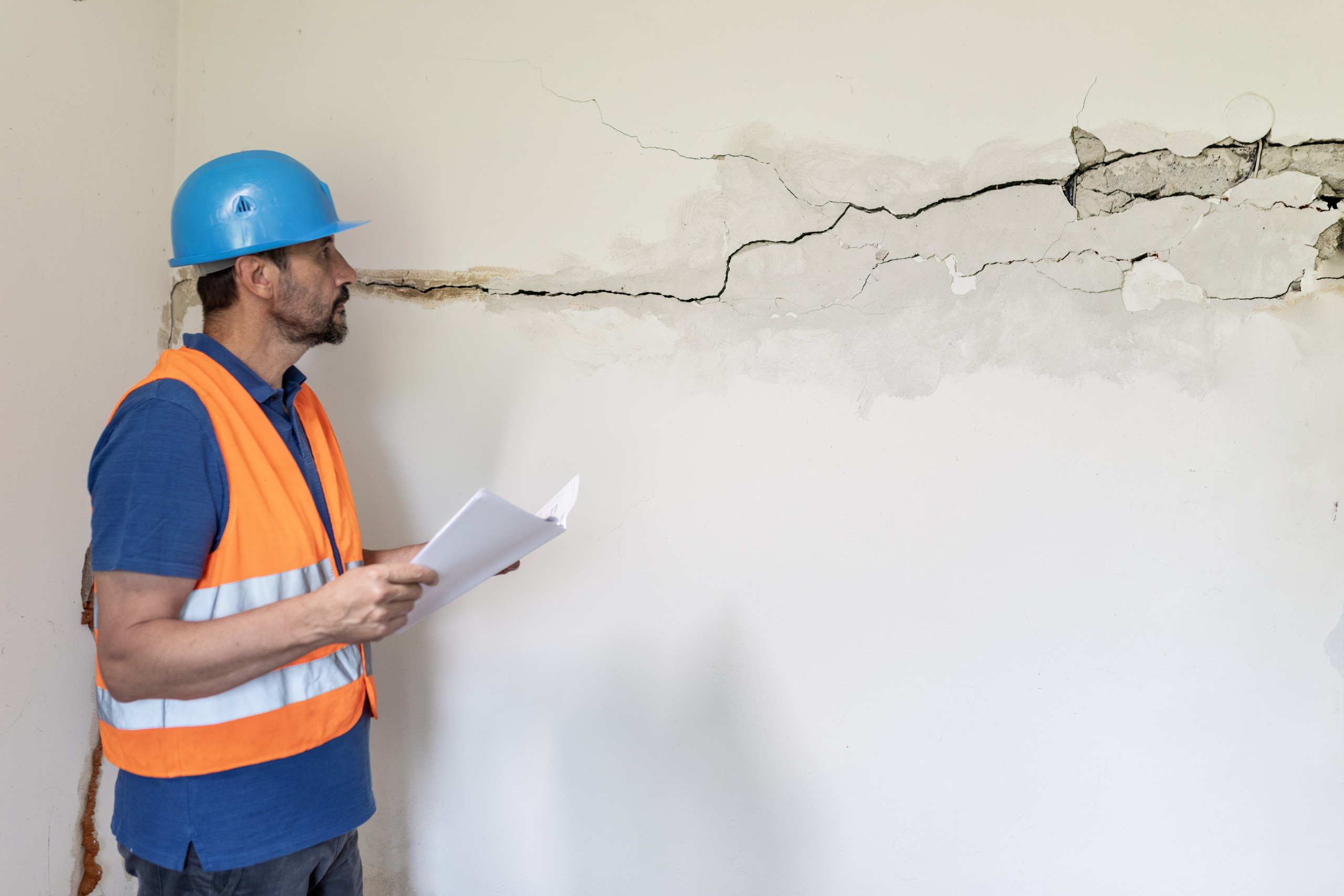
Foundation repair might not be the most exciting topic on your home improvement checklist, but ignoring it can lead to serious safety risks and costly consequences. The foundation is quite literally the base upon which your home stands, and any compromises can ripple through the entire structure. So, when trouble strikes, the instinct might be to call in the cavalry of foundation repair companies. Here’s the catch, though: these companies often operate like car salesmen, eager to sell you on extensive repair solutions you may not even need. Enter the structural engineer, a professional who brings precision and impartiality to the table. This article dives into why, when it comes to the bones of your house, you’re better off with expert insight over a sales pitch.
How Do I Know If I Need a Structural Engineer?
Picture this: you’ve just noticed cracks sprawling across your living room wall, or maybe your doors won’t shut properly anymore. Understandably, you’re concerned. These could be telltale signs your foundation is having a rough time, but does it mean you need to call in an expert? Enter the structural engineer. Think of them as the diagnosticians of the building world. Their job is to assess the structural integrity of your home, giving you a straightforward, no-strings-attached evaluation.
Let’s face it, foundation repair companies often have one goal: sell you a solution. But an engineer? They provide unbiased advice because their aim isn’t to “close the deal”; it’s to ensure your home is safe and sound. So, when should you pick up the phone and call one? Significant structural damage is a biggie. If you’re looking at substantial fissures in walls, shifting floors, or any major problems that make you uneasy, it’s time.
Buying a property in an area with a history of foundation issues is another scenario where an engineer’s eye is invaluable. They can perform an evaluation that might save you a heap of trouble and money down the road. The key takeaway here? Structural engineers bring a focus on objectivity and safety, cutting through sales pitches to offer you peace of mind.
Do You Need a Structural Engineer for Foundation Repair?
Foundation repair is serious business. When faced with possible foundation troubles, many homeowners instinctively call the first foundation repair company they find. But here’s the deal: repair companies are in the business of selling solutions, fast fixes that might not always address the root problem. On the flip side, a structural engineer is the referee in the foundation matchup, no team jersey, just the rulebook and the whistle. They prioritize the health of your home over a quick sale.
Hiring an engineer means you’ll get a no-nonsense diagnosis. Engineers bring precision to the table. They provide a thorough inspection, evaluating the specific issues without the pressure of upselling. Instead of a blanket fix, they dig into the details, offering you a tailored repair plan. This approach can save you from expensive, unnecessary repairs down the line. So, when in doubt, call an engineer first.
Understanding Foundation Issues
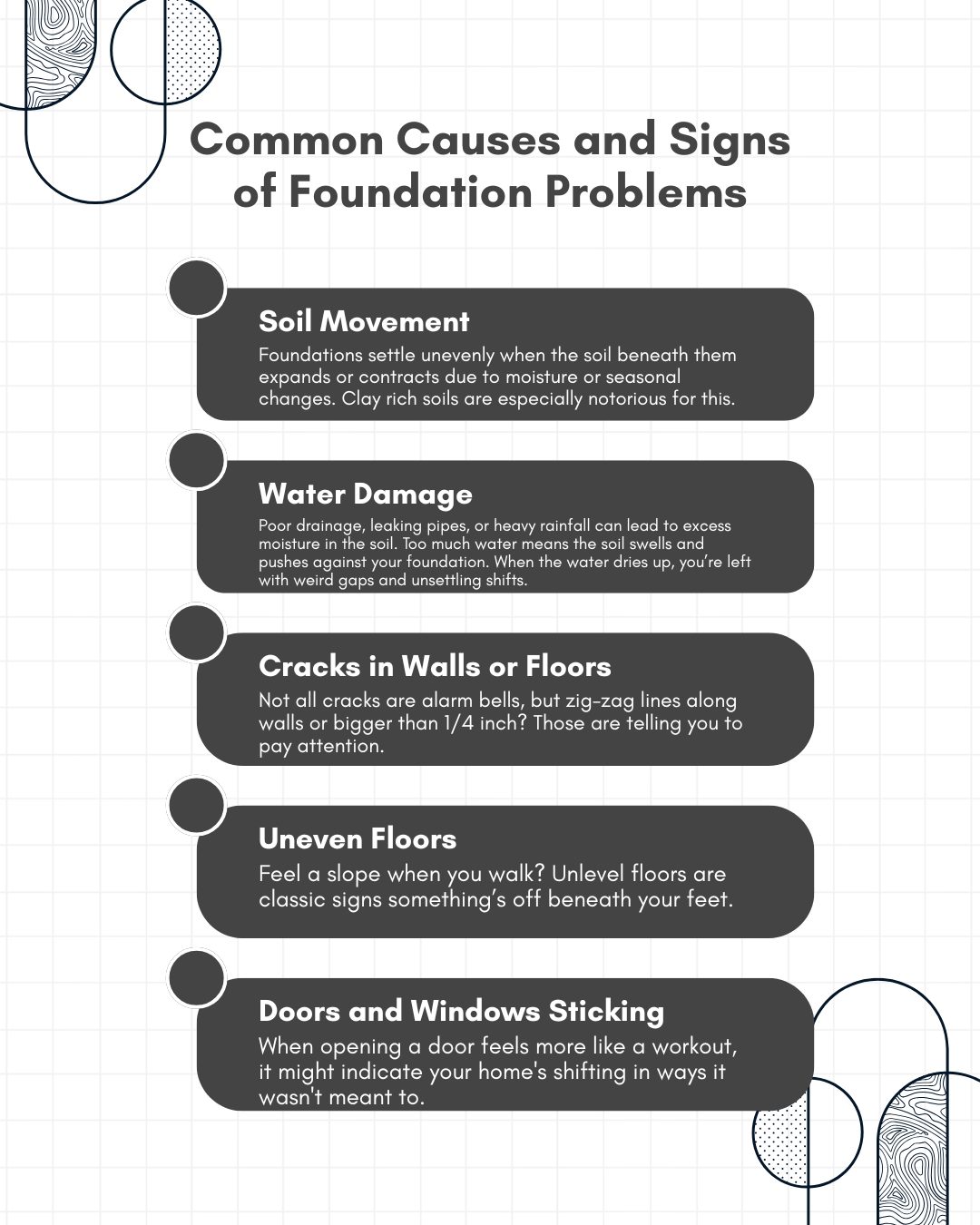
Foundations don’t just crumble overnight. They’re under constant stress from the environment and the very building they support. Understanding what causes these issues and recognizing the symptoms early can save you a lot of grief and cash. So, let’s break it down.
When to Address Foundation Issues?
Foundation issues are like leaks, they rarely get better on their own and tend to worsen over time. Addressing them promptly is crucial to preventing a small problem from snowballing into a much larger one. Timely action can save you from exacerbated damages and spiraling repair costs. Think of it as fixing a small pothole before it craters. Ignoring the signs, or postponing repairs, can lead to increased expenses as the structural problems deepen, putting your home’s safety on shaky ground. Delays can also lead to complications: shifting walls, warped frames, or even compromised plumbing lines. Quick attention not only safeguards the structural integrity of your home but also protects your bank account in the long run. So, when those warning signs start knocking, it’s time to roll up your sleeves and take action.
What to Expect from a Foundation Inspection
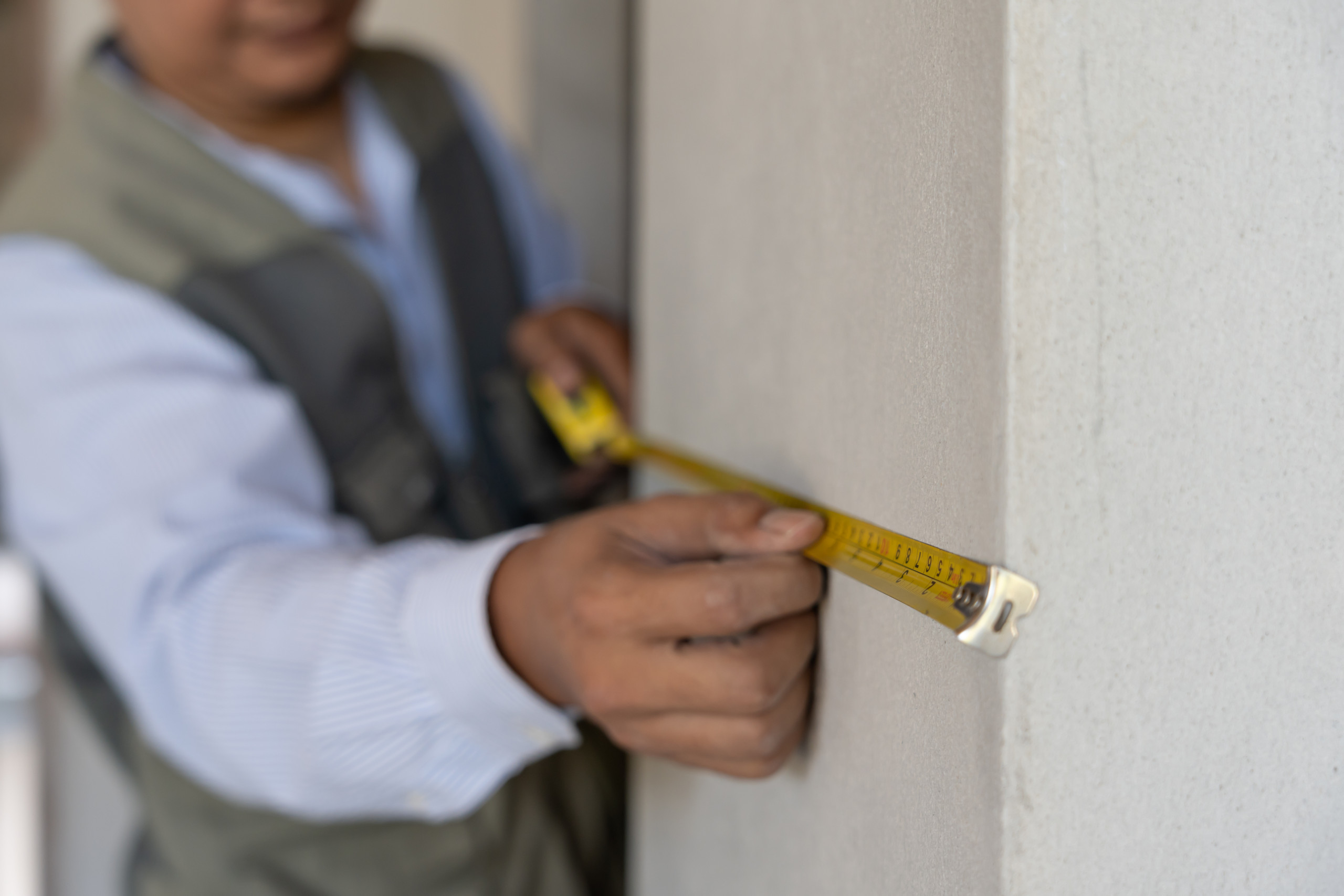
When you’re bracing for a foundation inspection, knowing what to expect can ease some of the stress. Here’s a straightforward guide to what an inspection typically involves.
First up is the visual examination. The structural engineer will walk through your property, keen eyes scanning for telltale signs of trouble: cracks, misaligned doors, and sloping floors are all on their radar. It’s not all about what’s immediately visible, though; they’ll also consider subtler indicators of deeper issues.
Next is the structural analysis. This goes beyond surface observations, diving into the nuts and bolts of your home’s skeleton. They may assess the load-bearing capacity of your foundation, check for any warping or bowing, and consider how these factors interact with the overall structural integrity.
It’s worth noting the difference between inspections done by structural engineers versus those by foundation repair companies. Structural engineers focus on long-term stability. Their aim is to provide an unbiased, comprehensive understanding of your home’s structure, considering factors like environmental influences and construction quality. On the flip side, inspections from foundation repair companies often come with an emphasis on identifying immediate fixes, sometimes with a sales pitch for their services.
By knowing the components of a thorough foundation inspection, you’re better prepared to make informed decisions about next steps, armed with knowledge and a clear picture of what your home needs to stay safe and sound. This is a great step-by-step guide to such inspections, “Structural Inspections: What Happens and Why It’s Important”.
When to Call a Foundation Engineer?
So, when exactly should you pick up the phone and call a structural engineer for your foundation troubles? There are a few situations where it’s a no-brainer. First off, if you’re planning any major home renovations that might affect your foundation, an engineer should be on speed dial. They can evaluate potential impacts to ensure everything holds up as it should, saving you from headaches down the line.
Then there’s the aftermath of natural disasters, think anything from earthquakes to heavy floods. If Mother Nature has been unkind, don’t wait around hoping for the best. An engineer’s check-up can spot risks that aren’t immediately visible, ensuring your home remains a safe place.
And let’s not forget the thrill (and stress) of buying or selling a home. If you’re on either side of that transaction and the foundation feels dicey, better bring an engineer into the mix. They can offer the kind of insights you just can’t get from a standard inspection, providing peace of mind for both parties involved.
These are the big three scenarios, but the general rule? When it feels like your foundation issues are getting beyond basic patchwork, it’s time to call in the pros. If you want more insight on how to navigate between an engineer’s advice and what foundation repair companies offer, here’s a straightforward guide comparing the two: Structural Engineer Vs. Foundation Repair Company for foundation Inspections
Finding a Structural Engineer Near Me

So you’ve decided you need a structural engineer. Where do you begin? Here’s a starting point to find the right professional for your needs.
Research
Key Actions:
- Look for specialized engineers: Focus on those who specialize in foundation issues.
- Check qualifications: Ensure they have the right qualifications, not just a flashy logo.
- Verify licenses: Make sure they are properly licensed.
Don’t just skim over their experience; it’s crucial for ensuring a successful outcome.
Reviews
Why They Matter:
- Reviews from previous clients offer insights into the engineer’s working style.
- Look for information on how they handled challenges.
- Check if their advice proved reliable over time.
References
What to Do:
- Ask for references: A quality engineer will readily provide these.
- Follow up: Call past clients to learn how repairs have held up and assess the engineer’s communication skills.
Licensing
Licensing is non-negotiable. A properly licensed engineer ensures competence and professionalism, acting as a basic filter to weed out unqualified individuals.
Final Thoughts
Take Your Time:
- With diligent research, you’ll find an engineer who fits your needs perfectly.
- Remember, this is your home’s foundation—it deserves the best care and expertise possible. Don’t rush the process.
Choosing Foundation Repair Experts
When it’s time to tackle foundation issues, selecting the right experts is crucial. Start by evaluating their experience with problems similar to what you’re facing. You want a team that’s seen it all, from soil shifting to water damage, and knows how to handle each scenario uniquely. Their track record with past projects can offer insights into their capability and reliability.
Reputation counts. Look for professionals known for giving honest, straightforward assessments. Check online reviews and ask for references. People who’ve had work done should vouch for their integrity and workmanship. Make sure they’re not just salespeople pushing solutions but true problem solvers outlining realistic, effective strategies.
Communication is key. You need experts who can break down complex issues into simple terms, helping you grasp the problem and understand the proposed fixes. They should be upfront about costs, timelines, and potential outcomes. By fostering clear and open discussions, they ensure you’re both on the same page and confident in your decisions. With the right professionals, you’ll steer clear of unnecessary repairs and focus on what’s truly needed.
Conclusion
Bringing a structural engineer into the fold for foundation repair isn’t just a good idea, it’s essential. These professionals provide an unbiased look at your home’s structural integrity, offering solutions laser-focused on safety and stability, not just a quick sale. Proactively engaging an engineer can save you from future headaches and hefty expenses. It empowers you with informed decisions and tailored repair plans that address root causes, not just symptoms. So, before diving into a sales pitch-driven fix, pause to consider the long-term benefits of an engineer’s insight. Your home deserves it.