

by Luke Cronin
Share
by Luke Cronin
Share
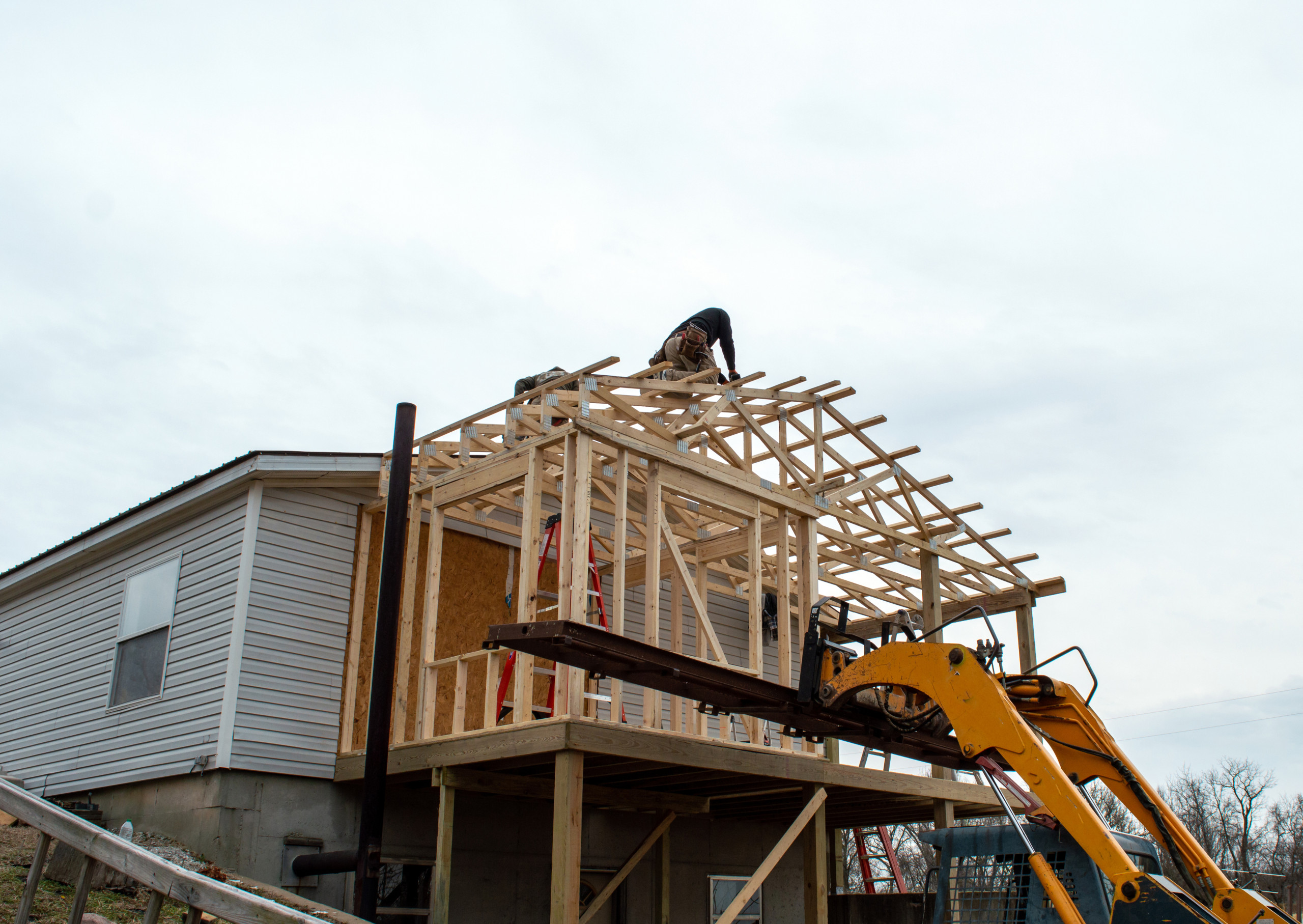
High interest rates, inflation, and fluctuating housing costs create significant dilemmas for homeowners considering a change in their living situation. Deciding whether to embark on a home addition or buy a new home isn’t just about square footage, it’s a complex financial and lifestyle choice. Tackling this decision starts with understanding the full range of options available and how each can meet your unique needs.
Weighing Your Options: Home Addition vs. Buying New
Deciding whether to renovate or purchase a new home is a big decision. This choice involves several key considerations, especially in today’s financial climate.
Challenges of Buying a New Home
High interest rates can make new mortgages more expensive and significantly impact your budget. Here are some additional challenges associated with buying a new home:
- Sky-High Purchase Prices: Current market conditions have driven prices up, making new homes a costly option.
- Additional Costs: Moving costs and closing fees add to the overall expense.
- Relocation Stress: The entire process of packing up and relocating can be overwhelming.
Benefits of Renovating
Renovating your existing home presents a compelling alternative for many homeowners:
- Familiarity: You already know the quirks and perks of your property.
- Convenience: Avoid the hassle of packing and moving.
- Customization: Mold your home to fit shifting family dynamics without the need for a for sale sign.
- Financial Considerations: Potentially sidestep the spikes and dips of the current housing market, which is crucial in today’s economic landscape.
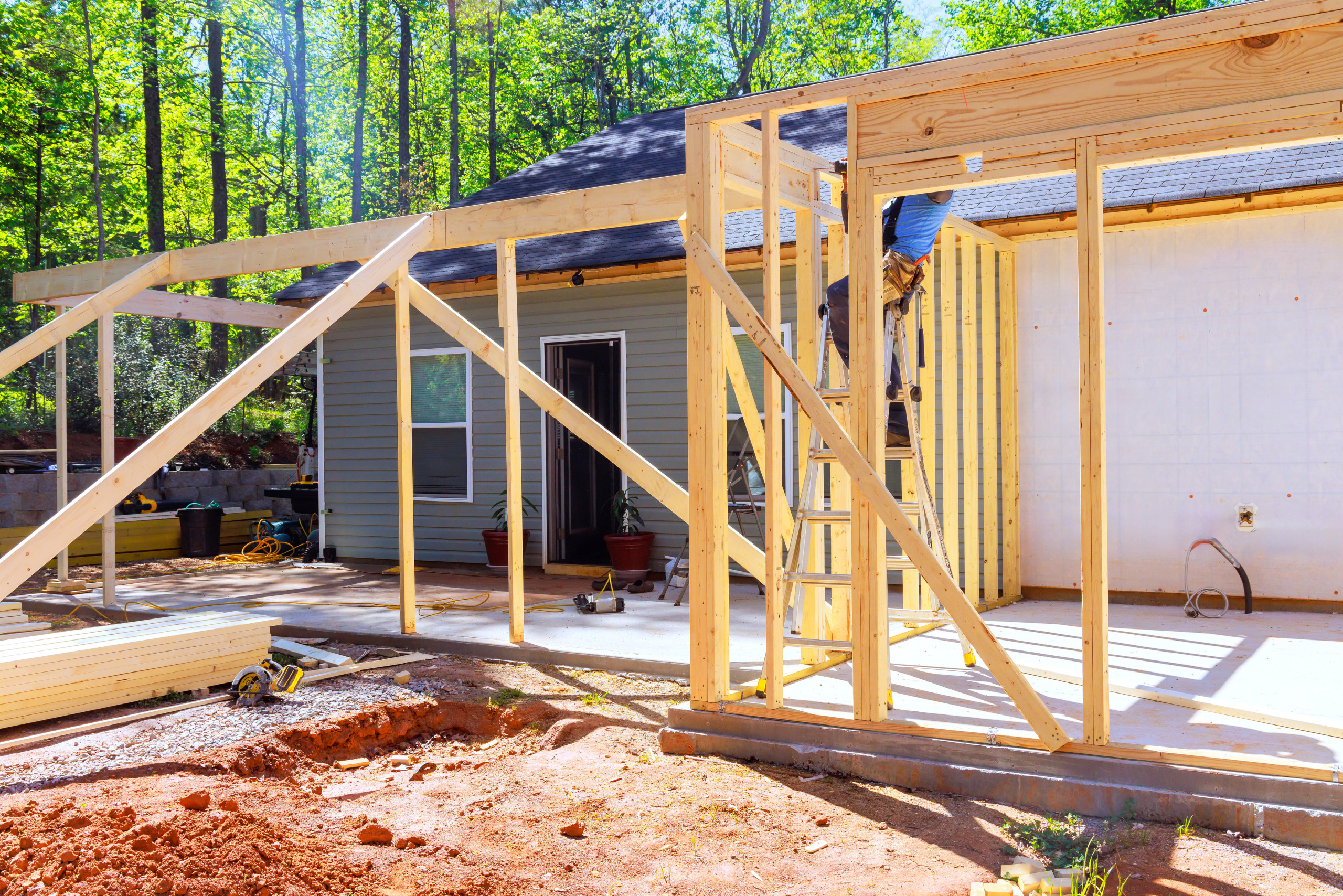
Renovation can be the practical answer, allowing you to tailor your space while addressing financial challenges.
Exploring Home Addition Options
Considering a home addition involves evaluating several paths, each offering unique benefits and challenges. Here’s a breakdown of what’s possible:
- Types of Home Additions:
- Room Addition or Extension: A straightforward approach, this involves adding a new room or extending existing space. It’s ideal for expanding living areas, adding a bedroom, or creating a larger kitchen.
- Second-Story Addition or Pop-Top: For homes constrained by lot size but with potential for vertical growth, adding an upper level maximizes the existing footprint without encroaching on yard space.
- Accessory Dwelling Units (ADUs): Also known as in-law suites, these are independent units built on the same property. They’re perfect for multi-generational living or creating additional rental income.
- Benefits:
- Customization: Unlike buying a new home, additions mean tailoring the space to fit evolving family needs, personal style, and preferences, ensuring the environment functions exactly the way you want.
- Financial Incentives: Particularly with ADUs, homeowners can tap into potential rental income streams, making the addition a form of investment that could offset costs in the long term.
Examining these options allows homeowners to weigh not just the square footage, but how their space can be optimized for growing families, evolving lifestyle demands, and even future resale value.
Structural Considerations in Home Addition
Understanding the role of a structural engineer in home addition projects can significantly affect both the process and the outcome.
Structural Engineers’ Role
Whether you’re dreaming of a new master suite or a second-story view, a structural engineer is your go-to for reality checks. They dive deep into the nitty-gritty, scrutinizing the existing framing, load paths, and foundations. Their job? Ensure your dream doesn’t collapse.
These engineers tackle modifications like moving load-bearing walls or introducing beams and columns. Think of them as the guardians of gravity, ensuring your shiny new spaces stay where they should.
When it comes to second-story additions and substantial overhauls, they design solutions that won’t just stand the test of time but also fit seamlessly into your current setup.
Collaboration
Here’s the deal: early and open communication between you, your architect, builder, and structural engineer can prevent costly mistakes. Get everyone on board from day one, and you sidestep potential disasters.
Picture this: A delayed conversation leads to a design that’s structurally impossible or wildly expensive to adjust. Who needs that headache? Coordination ensures your addition is not just feasible but also budget-friendly.
For further insights, consider the guidelines in “Hiring a Designer for Renovation: When You Need an Engineer”.
Financial Considerations: Renovate or Move?
Deciding between a home addition and moving to a new property is like navigating a financial minefield. While one may seem like a cozy upgrade and the other a fresh start, the decision involves a complex analysis of costs and potential impacts. Careful consideration is essential.
Cost Analysis
Is it Cheaper to Add Onto a House or Move?
There’s no simple answer. Here are some important factors to consider:
- Renovation Costs:
-
- Architect & Engineer fees
- Construction expenses
- Permits
- Unplanned expenses
- Moving Costs:
-
- Higher mortgage rates
- Down payments
- Realtor fees
- Logistical costs of moving
Each option comes with its own set of financial perks and pitfalls. Comparing these will help you decide which is most feasible for your situation.
Market Context
Current Market Context
The mortgage landscape isn’t forgiving. Consider the following:
- Interest Rate Trends:
Check resources like “Freddie Mac’s Mortgage Rates Report” to stay informed about market trends. Remember, locking in a higher interest rate than your current mortgage could turn your new home into an unexpected financial burden.
Lifestyle and Long-term Planning
In the end, the decision comes down to syncing your finances with your lifestyle:
- Can you afford the dream of more space in the short term while maintaining your long-term goals?
- Does a new address promise better alignment with your future aspirations?
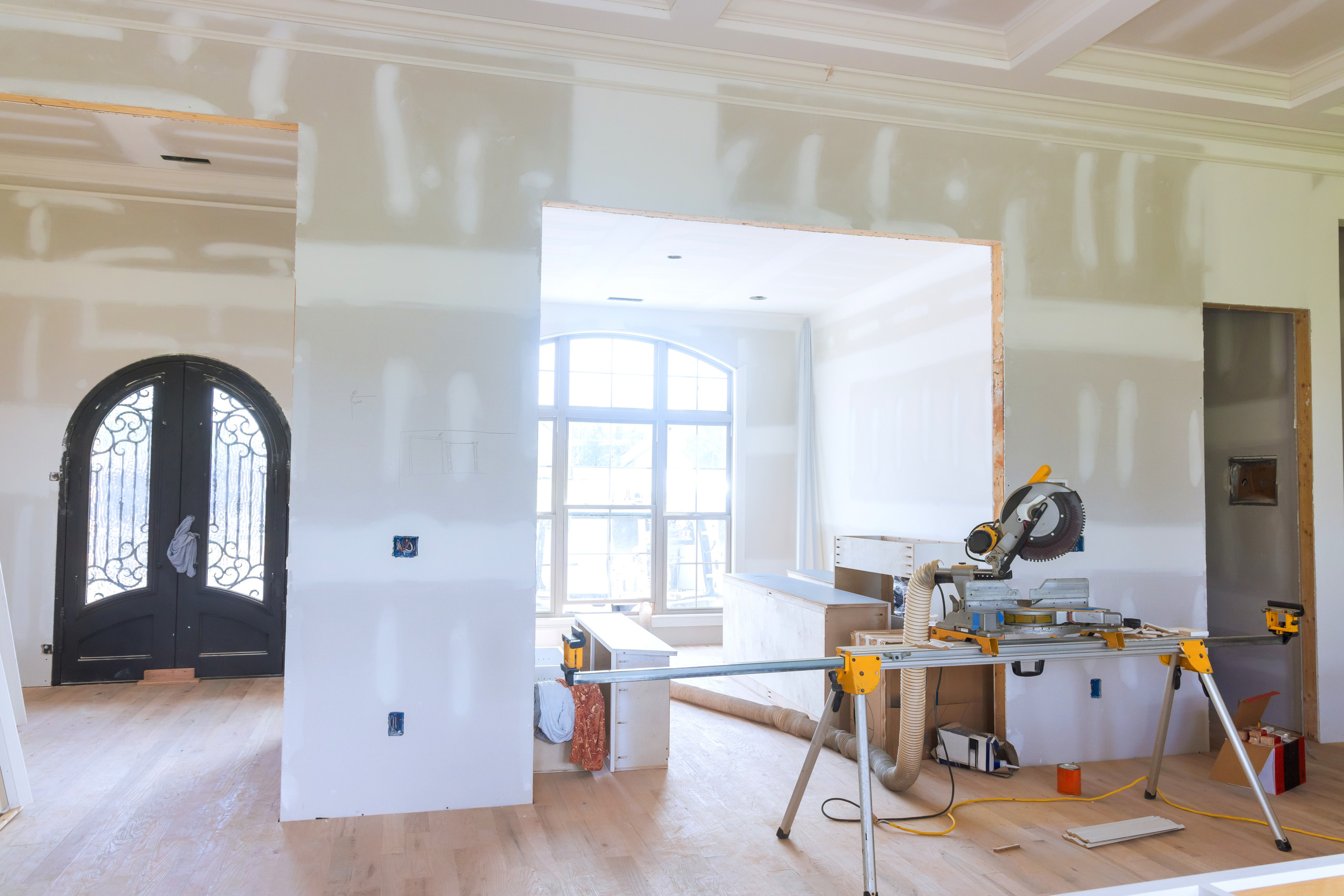
This decision isn’t just about numbers, it’s a matter of balancing financial sense with your family’s evolving needs.
Practical Insights: Making Renovation Work
Making the leap from concept to construction in a home renovation requires a sharp eye on several crucial factors that ensure your project runs smoothly and within budget. Start by diving into the fine print of your existing mortgage terms. A fixed-rate mortgage might shield you from interest rate fluctuations, but if you’re on an adjustable rate, elevate your awareness of potential rate hikes that could impact your ability to finance an addition. Establishing an accurate renovation budget is not just prudent; it’s essential. Get detailed quotes from contractors and consider hidden costs like permits, design fees, and contingencies.
Next, zoning laws are the make-or-break factor in your renovation plans. Particularly when considering additions like accessory dwelling units (ADUs), knowing the ins and outs of your local regulations can spell the difference between a smooth approval process and an expensive bureaucratic quagmire. Feasibility studies and zoning consultations should be at the top of your to-do list.
Engage with seasoned professionals who understand the nuances of your area. In regions like Colorado, where building requirements can include specific environmental considerations, partnering with an experienced design-build firm can help navigate these local intricacies. Your builder’s familiarity with regional materials, climate conditions, and building codes will save you time and money in the long run. Remember, no amount of planning can stave off every surprise, but thorough preparation will certainly help keep them manageable.
In merging your home’s current potential with your vision, you’ll be better equipped to build a space that’s both financially viable and tailored to your life’s evolving chapters.
Long-Term Outcomes of a Home Addition
A thoughtfully executed home addition yields benefits beyond the immediate increase in square footage. It offers the flexibility to adapt your living environment to evolving needs, whether for accommodating a growing family, supporting a multigenerational household, or creating a dedicated space for remote work. An addition can also serve as a lucrative income stream if configured as a rental unit, such as an ADU. However, these advantages come with strings attached. Navigating approvals from zoning boards, understanding potential changes in property taxes, and staying compliant with local rental regulations are key considerations. Successfully tackling these challenges not only adds substantial financial and practical benefits but also positions your home as a versatile asset for years to come.
Conclusion
Deciding whether to pursue a home addition or opt for a new home purchase is a nuanced process that demands a clear assessment of both immediate needs and future aspirations. By weighing financial factors like interest rates, renovation expenses, and market conditions against your current lifestyle requirements and long-term goals, you create a roadmap that supports informed decision-making. A home addition can offer the rare opportunity to tailor your living space to match evolving family dynamics, while potentially increasing property value and income opportunities. However, partnerships with expert structural engineers and builders are indispensable in navigating the complexities of construction, ensuring not only the structural integrity of your project but also its smooth execution. In the balance between renovating and relocating lies a strategic approach that can yield a living situation perfectly aligned with your vision and reality.
FAQs
Can You Add a Second Story to an Existing Home?
In many cases, yes. However, it is crucial to evaluate the current structure and foundation to ensure they can support the added load. Consulting with a structural engineer early in the process is advised to determine feasibility and necessary reinforcements.
Do You Need a Structural Engineer for a Home Addition?
Absolutely. A structural engineer plays a vital role in ensuring that any additions are safely supported and meet applicable building codes. Their evaluation helps avoid design flaws and potential structural issues.
Is Renovating Always Financially Better Than Moving?
Not necessarily. Whether renovating is more beneficial than moving depends on various factors, including:
- Mortgage terms,
- Renovation cost estimates,
- Property considerations,
- Personal housing needs.
Assessment of these factors on a case-by-case basis will help in making the right decision.
How Can Renovations Provide Additional Income?
Renovations can offer additional income through additions like Accessory Dwelling Units (ADUs), which can serve as rental units. However, this depends on local zoning laws and rental regulations, so it’s crucial to check local policies beforehand.
What Are the Components of a Successful Renovation Project?
A successful renovation project typically involves:
- Comprehensive planning with a structural engineer, architect, and builder.
- A clear understanding of financial and structural implications.
- Aligning the project with both current needs and future possibilities.