

by Luke Cronin
Share
by Luke Cronin
Share
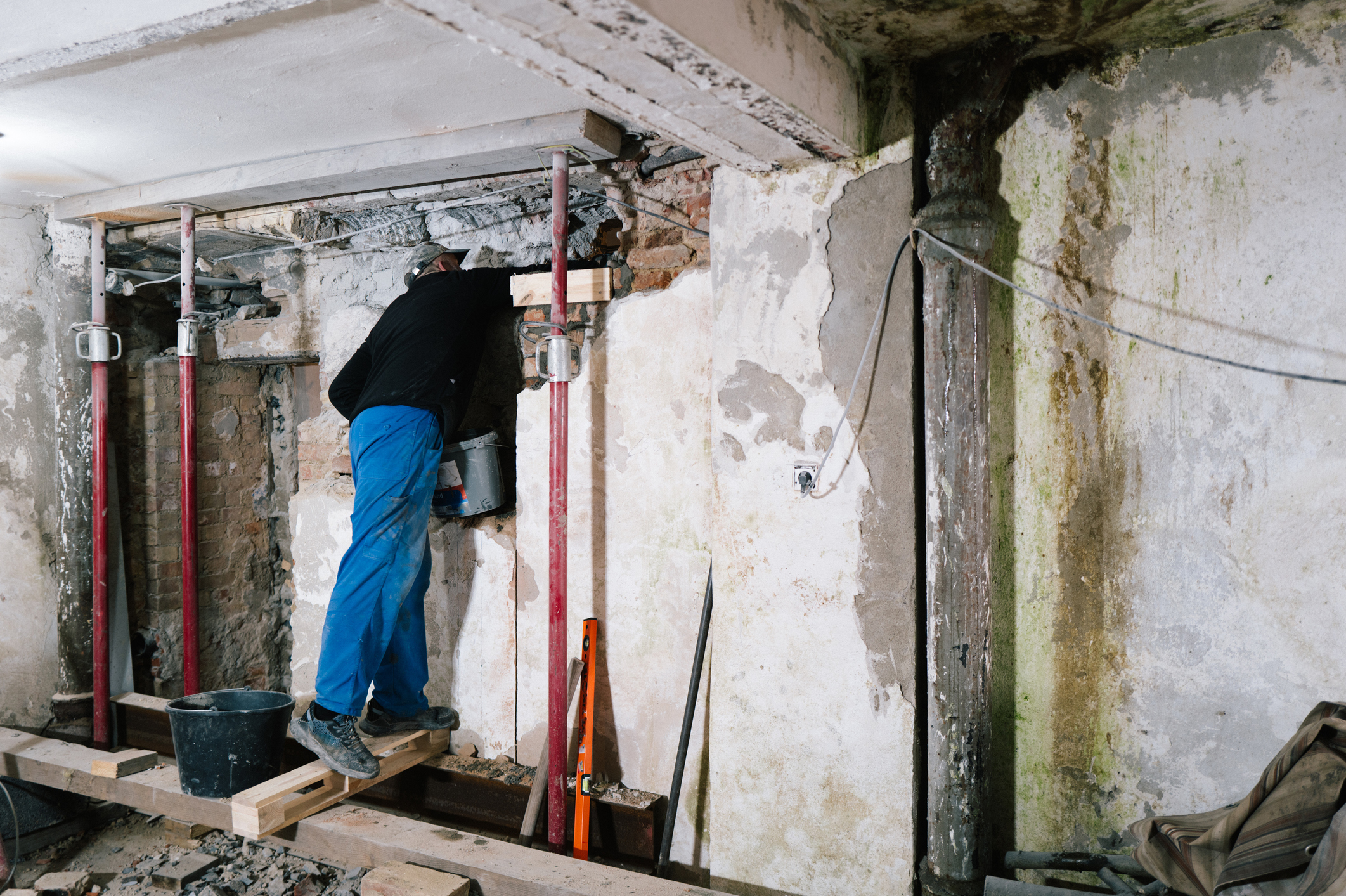
Basement Dig-Out: What Happens to Your Foundation Over Time
Basement dig-out projects can transform a crawl space into a functional basement, adding value and usable square footage. Learn how your foundation is affected over time and why structural engineers are essential for a safe, successful conversion.
What is a Basement dig-out?
A basement dig-out involves excavating earth beneath your house to increase the height of your basement. This can include transforming a crawl space into a full basement. It’s not a simple operation. It affects your home’s structural integrity and involves legal and financial considerations. This article dives into the nitty-gritty of it all, “What “Basement Dig-Out” Means & Why It Matters”.
First, understand it’s more than just digging dirt. We’re talking about altering the very bones of your house. The process kicks off with precise measurements and planning. You can’t just grab a shovel and start hacking away. That’s a recipe for disaster, potentially leading to sagging floors or worse.
Then, there’s the science of underpinning, which fortifies the foundation as you go deeper. It’s crucial to keep the structure stable and safe. Now, tack on the legal side, permits, inspections, and sometimes environmental considerations pile on costs and time. You’ll probably need a structural engineer on speed dial. So, a basement dig-out is a serious commitment. But, if executed well, it rewards you with extra room and boosted property value.
Can You Live in a House While the Foundation is Being Repaired?
Yes, you can live in a house while its foundation is under repair, but it requires careful planning. Here are some key considerations:
Safety Considerations
- Segregated Work Zones: Ensure work zones are clearly marked and separated from living areas.
- Barriers: Use barriers to prevent access to hazardous areas.
- Contain Hazards: Make sure tools and debris are well-contained.
- Household Awareness: Ensure everyone in the household knows which areas to avoid.
Daily Disruptions
- Noise: Expect noise from drills, hammers, and machinery.
- Access Restrictions: Plan for restricted access to certain rooms or passageways.
- Work Schedule Planning: Align your day-to-day activities around the contractor’s schedule.

Distracted woman with a laptop in a house under reformation
Role of a Structural Engineer
- Safety Advice: They provide crucial advice on safety during repairs.
- Load-Bearing Walls: Assess which walls are load-bearing and ensure they are safe throughout the process.
- Project Phases: Guidance on which areas may be unsafe during specific phases of the project.
Living through foundation repairs might feel like sharing space with a very diligent but disruptive houseguest. Stay flexible, maintain open communication with your contractor, and focus on the long-term benefits.
Is it Worth Digging Out a Basement?
Deciding whether a basement dig-out is worth the effort hinges on what you need and can afford.
Benefits of a Basement dig-out
- Increased Usable Space:
Expanding your home with a basement adds square footage, providing an instant home upgrade. This space can be transformed into:
- A swanky new entertainment area.
- Additional storage space.
- Enhanced Property Value:
Homes with finished basements often fetch higher prices, offering a potential return on investment (ROI).
Considerations and Costs
There’s a flipside to these benefits:
- High Costs:
- Excavation and Underpinning: Digging out a basement requires specialized labor and equipment.
- Permits and Inspections: Regulatory compliance can add to the expenses.
It’s a significant upfront investment. You’ll want to crunch the numbers to see if the cost aligns with potential property value increases. Do some local market research to understand how much value a finished basement could add to your home. In Denver, here is a guide to help you out, “Digging Out A Basement In Denver: Hidden Code & Engineer Needs.”
Making Your Decision
In the end, whether it’s worth it is a balancing act.
Consider what’s most important for you and your home’s future:
- Resale Value: Is your priority increasing your property’s market value?
- Personal Use: Do you value having a finished space more for personal enjoyment?
Weigh the costs and benefits based on your specific needs and financial situation.

How Much Does it Cost to Dig Out a Basement?
The cost of digging out a basement is influenced by a handful of significant factors that can cause expenses to vary widely:
- Material and Labor: This is the bulk of the cost and includes everything from hiring skilled workers to acquiring the necessary materials. Excavation alone can be expensive as you need to remove tons of earth carefully without damaging the rest of your home. Underpinning, which reinforces the foundation, is another major cost as it requires precision and expertise.
- Structural Modifications: Your home’s specific requirements can increase costs. Older structures may need more substantial modifications to maintain integrity. Underpinning is often essential, especially when increasing ceiling height, as it helps stabilize the foundation while excavation occurs.
- Permits and Inspections: Don’t forget the legal side of things; you’ll need permits to ensure everything is above board. These can be surprisingly costly depending on where you live. Regular inspections will also be necessary to ensure your project meets local building codes, and those come with their own fees.
Ultimately, costs can range from $20,000 to upwards of $100,000, depending on the size of the project and local economic conditions. Always consult with professionals for precise estimates tailored to your specific situation.
How Do You Dig Out a Basement Under an Existing House?
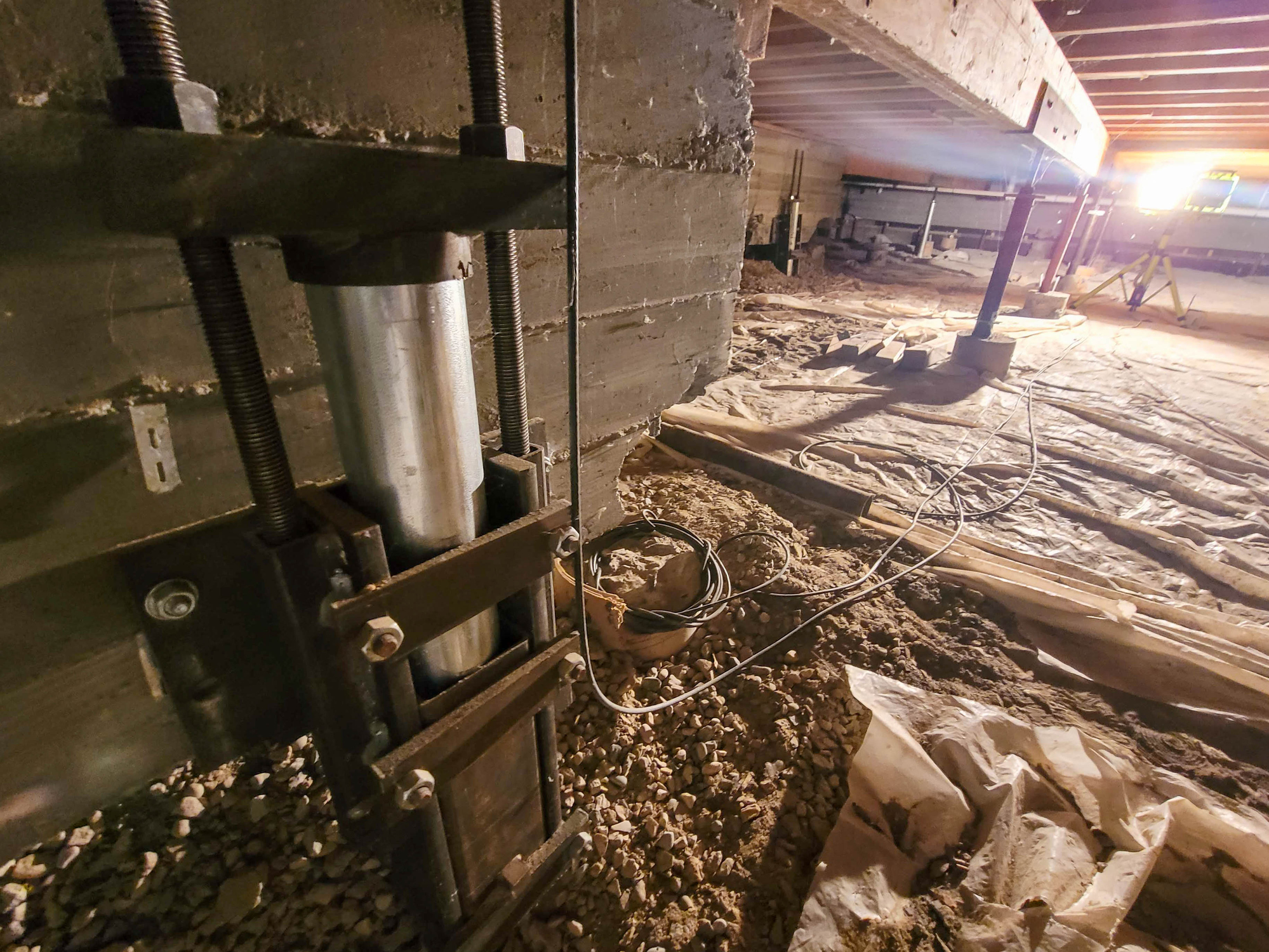
Digging out a basement beneath an existing house is a task that demands precision and expertise. Here’s a streamlined approach:
- Hiring Professionals: Before anything else, line up a structural engineer who can assess the existing condition of your foundation. Their expertise will guide every step of the process.
- Planning: Craft a detailed blueprint. This plan should account for safety measures, logistics, and the technical specifics of the dig-out, ensuring all bases are covered. It’s not just about digging a hole; it’s about ensuring your house stays put above it.
- Temporary Supports: As your house sits on its current foundation, you’ll need to install temporary supports. These props are crucial to buttress your home while excavation takes place beneath it.
- Excavation: This is where the real work begins. Excavation isn’t a free-for-all; it requires careful, methodical removal of soil, often in sections. Reinforcing the foundation as you go is key to maintaining stability.
- Foundation Work: Once the earth is cleared, it’s time for underpinning. This involves extending or strengthening the existing foundation to ensure it supports the new basement space and the home above.
Every step of this process requires attention to detail and adherence to local codes and regulations. Skimping on expertise or planning at any point can lead to structural woes down the line. Plan well, hire wisely, and let the professionals do what they do best to transform your crawl space vision into a reality.
Can You Add a Basement to an Existing Crawl Space?
Yes, you can convert a crawl space into a basement, but it’s no small feat. Below are some crucial steps and considerations to bear in mind.
Structural Adjustments
- Underpinning the Foundation: This is essential for ensuring stability. Think of it as giving your house a new pair of sturdy shoes. These adjustments support the increased load and depth, preventing any future sagging or shifting.
Maximizing Your New Space
Once the heavy lifting is done, it’s time to think about how to maximize this newfound space. Consider the following options:
- Home Office
- Media Room
- Guest Suite
Market Considerations
- Enhance Lifestyle or Appeal to Buyers: Whether you plan to enjoy the space yourself or entice future buyers, consider features that will add value.
- Neighborhood Market Analysis: A finished basement may boost your home’s value, but understanding local real estate trends helps you gauge the real impact.
Final Thoughts
While a crawl space to basement conversion isn’t a quick weekend project, it has the potential to transform the underbelly of your home into a functional treasure. Plan thoughtfully, and the payoff can be a rewarding blend of comfort and increased property worth.
Why is a Structural Engineer Essential?

Structural engineers are the unsung heroes of any successful basement dig-out. They bring a critical eye and specialized skills to ensure your home remains stable and safe throughout the process. When you’re significantly altering the foundation, it’s not just about digging a hole and calling it a day.
Key Roles of a Structural Engineer
- Inspection and Analysis:
- Before a single scoop of earth is removed, a structural engineer will thoroughly inspect and analyze your existing foundation.
- They look for load-bearing elements, potential weak spots, and any signs of previous settling.
- This initial evaluation is crucial because it sets the groundwork for all subsequent planning.
- Design Solutions:
- With the findings in hand, the engineer devises a strategic plan to support the foundation.
- This often involves underpinning, a technique used to strengthen the existing foundation and prevent future settling.
- The engineered plans ensure that both the dig-out and your home follow a clear path to structural soundness.
- Compliance Assurance:
- Ignoring local building codes is a risk you don’t want to take.
- Structural engineers navigate these regulations for you, ensuring that all aspects of the construction meet or exceed local standards.
- This compliance not only avoids legal headaches but also adds a layer of safety assurance.
In short, the role of a structural engineer goes beyond offering a stamp of approval; they are integral to transforming your dreams of a basement into reality while ensuring your house remains the safe haven it’s meant to be.
What Do Structural Engineer Foundation Inspections Involve?
When it comes to ensuring the safety and stability of your home, structural engineers play a vital role in foundation inspections. Here’s what the process typically involves:
Overall Integrity Assessment
- Condition and Load-Bearing Capacity: Engineers start by evaluating the foundation’s condition and its ability to support the structure’s weight. This initial assessment is crucial to ensure your home can handle any additional stress or depth.
Identifying Potential Issues
- Cracks and Shifts: Engineers look for any cracks, shifts, or weak spots in the foundation. Identifying these issues early can prevent future structural problems.
- Weak Spots: Special attention is given to any areas that may compromise the foundation’s integrity over time.
Recommendations and Strategies
- Safe Practices for Excavation and Underpinning: Engineers offer expert advice on best practices for excavation and underpinning. This phase is critical for maintaining the project’s safety and continuity.
- Stability Safeguarding: By providing precise strategies, engineers help ensure that the project not only progresses smoothly but also maintains the home’s stability throughout the process.
Think of these inspections as a full-body checkup for your house, ensuring everything is in working order and ready for any future needs.
FAQs
How Long Does a Basement dig-out Take?
Timelines vary, but most projects take several weeks to a few months, depending on factors like the size of the area, soil conditions, and unforeseen complications. Preparing for interruptions in your daily routine can help manage expectations.
Are Permits Necessary?
Yes, permits are essential. They ensure your project complies with local building codes, which helps avoid legal issues. Securing permits involves submitting detailed plans and passing inspections, but it’s a crucial step to ensure safety and legality.
What Risks are Involved in a Basement dig-out?
Risks include potential structural damage, water ingress, and cost overruns. Address these by hiring professionals who conduct thorough analyses, devise solid plans, and offer skilled execution. Unplanned expenses can occur, so having a contingency budget is wise.
How Does Underpinning Affect My Home?
Underpinning is critical to stabilize your foundation during a basement dig-out. It involves reinforcing or deepening the foundation to support the additional load. While it adds to the project timeline and cost, it ensures structural longevity and minimizes future issues.
Translating a crawl space into a livable basement offers rewarding benefits, but it requires thought and precision. By understanding the nuances of basement dig-outs and involving experts like structural engineers, you pave the way for a functional and valuable addition to your home.