

by Luke Cronin
Share
by Luke Cronin
Share
Foundation Problems: Why Excavations Fail and How to Stop It
Introduction
When buildings buckle, tilt, or crack, the culprit is often a concept known as “foundation problems.” At its core, foundation problems refers to the vulnerabilities and potential failures associated with the base upon which structures stand. Understanding these potential problems is pivotal, not just for preventing structural failures but for ensuring the safety and longevity of the buildings we inhabit daily.
Navigating the landscape of potential pitfalls beneath our feet requires a blend of expertise and foresight. Enter the structural engineer, armed with the knowledge and skills to evaluate risks and design solutions tailored to withstand specific challenges. They play a crucial role in anticipating issues, implementing preventative measures, and ensuring compliance as buildings rise from the ground. In a world where a solid foundation is everything, their role cannot be overstated.
Understanding Foundation Problems
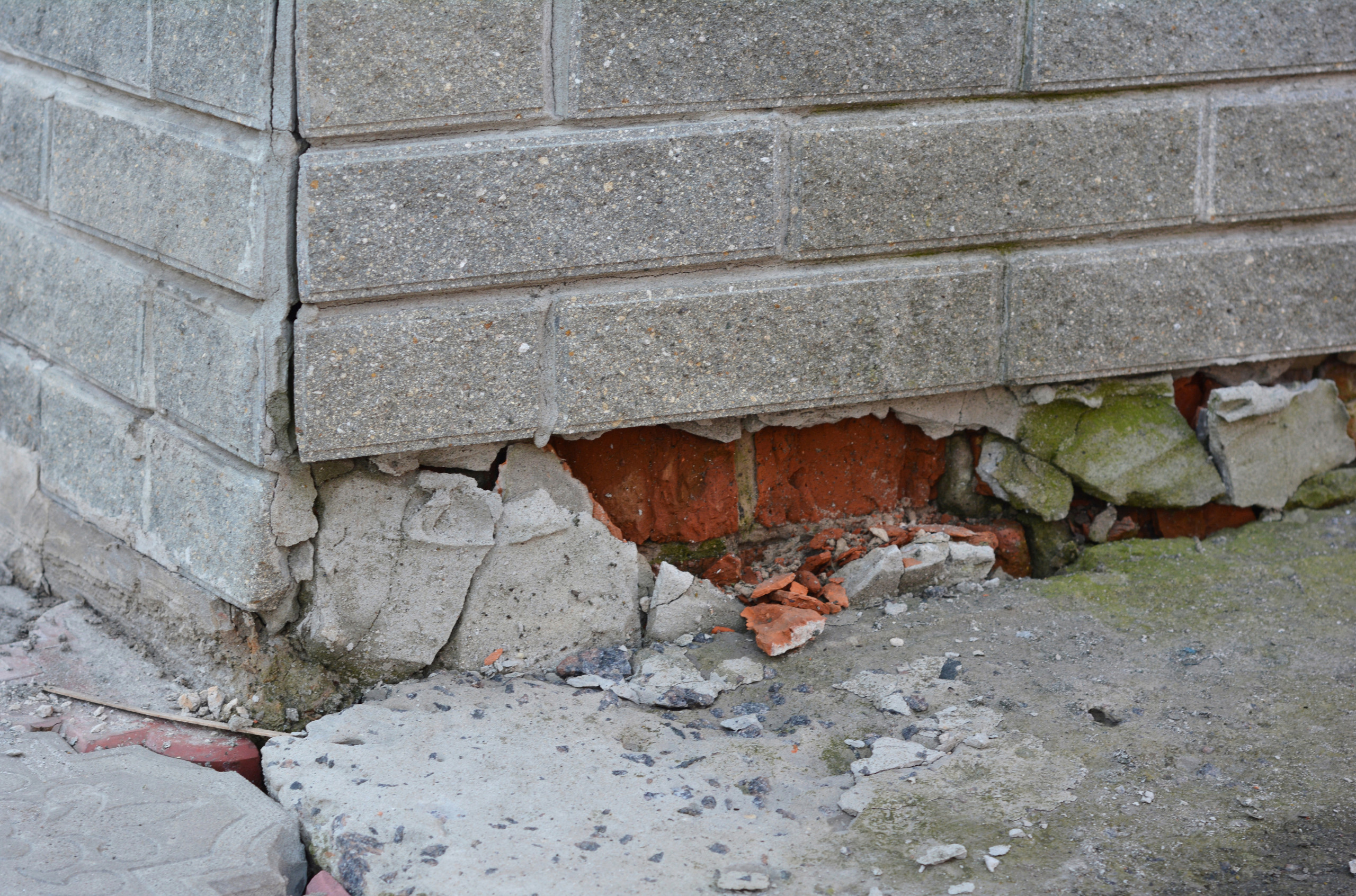
Foundation problems refers to the potential for structural problems due to issues with the base or substructure of a building. If the foundation falters, the entire structure is in jeopardy. Weakening, shifting, or failing foundations can lead to catastrophic results both structurally and financially.
Factors Contributing to Foundation Problems
- Poor Site Preparation
- Thorough site evaluation before construction is crucial.
- Ignoring environmental factors like soil conditions or groundwater presence can lead to disasters.
- Inadequate Drainage
- Water must be directed away from the foundation.
- Erosion or waterlogging can lead to unwanted soil movement.
- Use of Improper Materials
- Cutting corners with cheaper, lower quality materials might save money initially.
- Long term costs increase when the foundation starts to crumble.
- Settlement Issues
- Soil under a foundation can shrink, swell, or displace.
- Such movement causes uneven settling, leading to cracks and misalignments.
- Lateral Pressure
- Sideways loads exerted by soil or water against foundation walls are risky.
- Insufficient accounting for these pressures can cause walls to bow or push inward.
Key to Long-lasting Foundations
Understanding these elements and addressing them proactively is essential to building foundations that last. Proactive measures ensure the stability and longevity of structures, avoiding the potential disasters that foundation issues can cause.
Common Causes of Foundation Failure
Foundation failure isn’t just a headline; it’s a reality stemming from various missteps, both avoidable and complex. Let’s break down some primary causes with a no-nonsense lens.
Poor Construction Practices
Cutting corners during construction can lead to catastrophic outcomes. Skimping on quality materials or oversight might save a buck in the short term, but it spells trouble long term. Whether it’s settling for flawed concrete mixes or ignoring code specifications, neglect at this stage is a recipe for disaster.
Incorrect Shoring Design Services
Imagine building a house of cards. You wouldn’t place the cards at precarious angles, right? Shoring, or supporting the sides of an excavation, requires precise design to counteract the pressures of earth and gravity. An incorrect shoring plan can cave in faster than a broken promise, taking investments and peace of mind with it.
Lack of Proper Slope Stabilization
Think of slope stabilization as a safety net. Without it, slopes crumble under their weight or the burden of additional construction. Ineffective reinforcement techniques leave soils unstable, and the ensuing landslides can literally bury buildings and budgets. It’s not just about appearance, stabilization ensures soil stays put for the long haul.
Weather Conditions
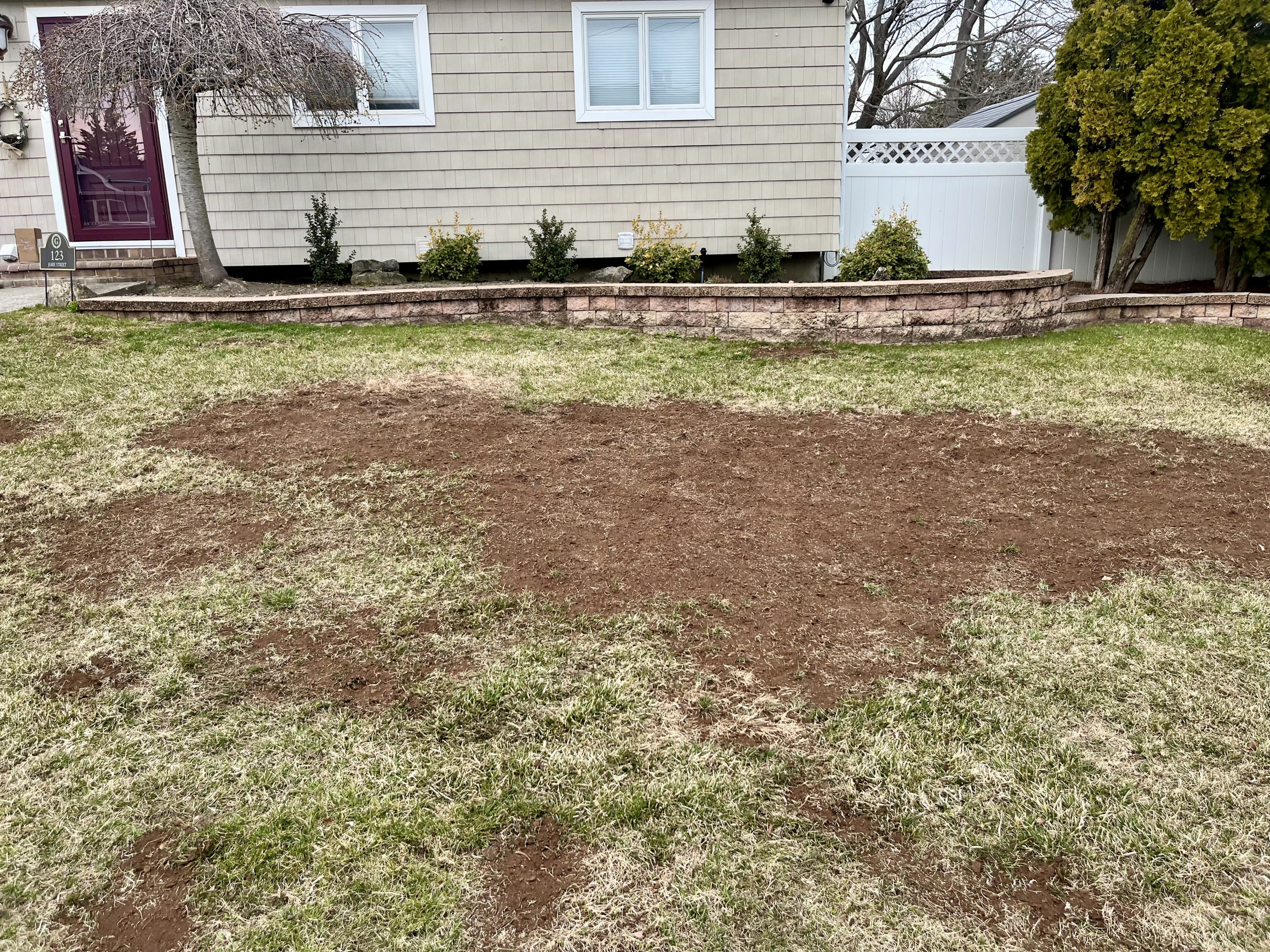
Mother Nature is as unpredictable as she is beautiful. Variations in weather—extreme dryness, flooding, freezing, cause soil to expand or contract, leading to shifts below your foundation. As the article outlines, “How Expansive Soils Cause Surprise Foundation Issues In Colorado”, expansive soils can heave and crack unforgivingly, reminding us that ignorance of climate effects can cost more than just rain delays.
Wrapping up, recognizing these causes and addressing them with due diligence is vital not only for maintaining structural integrity but also for peace of mind. Without care and attention at each step, the ground beneath quite literally falls out from under us.
The Role of Structural Engineers
Structural engineers are the hidden guardians in the realm of foundation safety. They serve as the first line of defense against potential foundation failures by thoroughly assessing site conditions before the first shovel hits the ground. Their expertise allows them to evaluate soil types, water tables, and environmental factors that might compromise the stability of a building’s foundation.
Designing a suitable foundation is no small feat, and this is where structural engineers shine. They develop foundations tailored to withstand local hazards, be they expansive soils or seismic activity. Their designs are not just blueprints but are bulwarks against time and nature’s unpredictability.
Overseeing construction is another critical aspect of their role. Structural engineers ensure that the build process adheres to the intricate specifications and complies with safety regulations. This oversight provides an additional layer of assurance that all components, from materials to methodologies, align with the structural integrity goals.
Without structural engineers, the risks linked to foundational failures escalate. Their input is integral in transforming theoretical plans into resilient, solid structures that stand the test of time.
Preventing Foundation Failure
Preventing foundation failure hinges on a few key strategies, wrapped up in simplicity and practicality. First off, regular inspections are non-negotiable. Checking the foundation on a regular basis allows you to catch potential problems before they become catastrophic, saving money and stress. Think of it as a dental check up for your building; you might dread it, but it pays off when you avoid a root canal down the road.
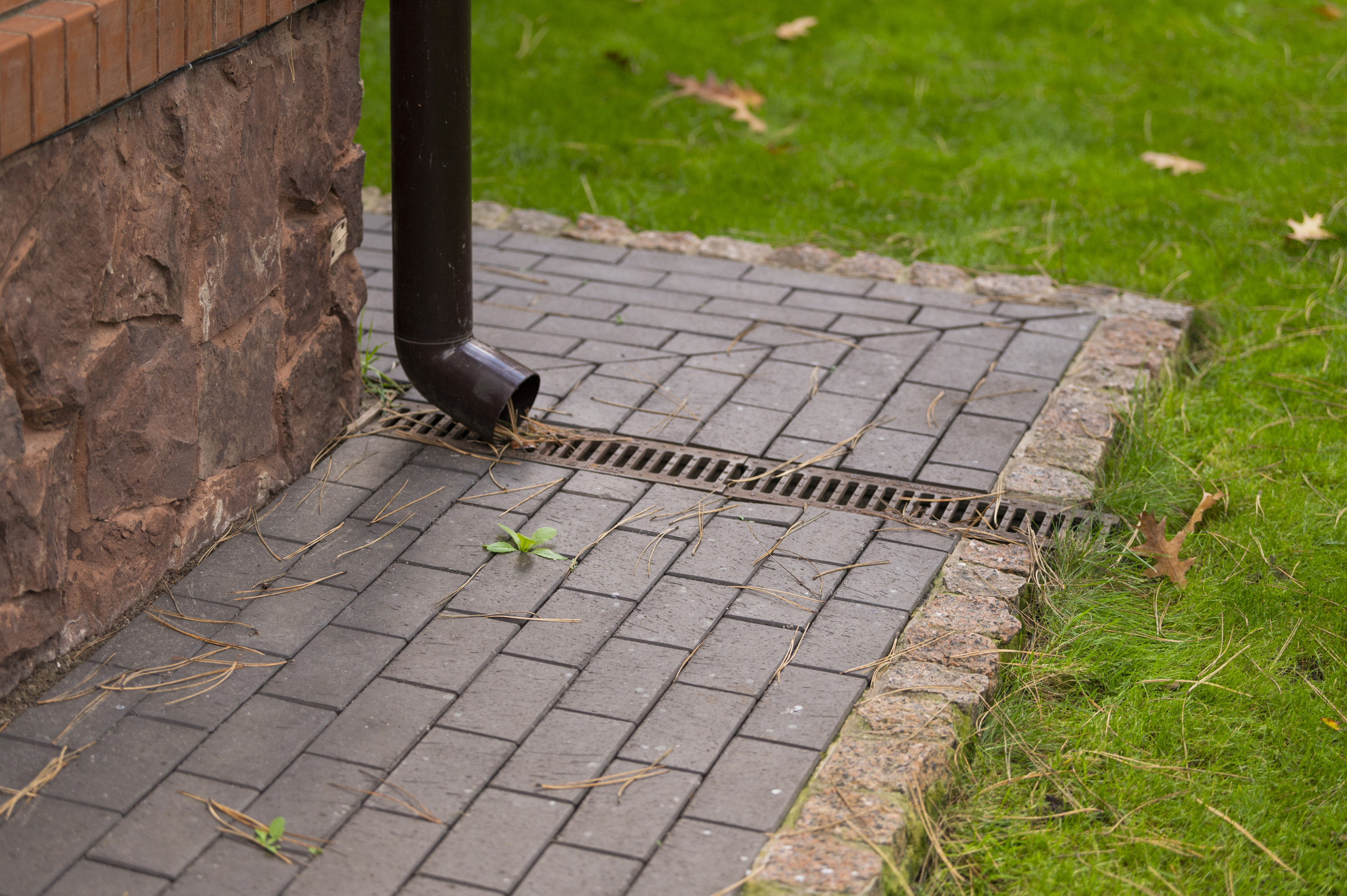
Next, maintaining proper drainage systems is vital. Keep water at bay to safeguard your foundation’s integrity. Water should flow away from your building, so focus on those gutters, downspouts, and grading to ensure nothing pools around your foundation. It’s like a simple rule in life: keep your feet dry, and the foundation holding you up will do the same.
Quality materials and construction practices might sound like no brainers, but they bear repeating. Using subpar materials or cutting corners during construction can doom a foundation from day one. Stick with reputable suppliers and contractors; your future self will thank you when you’re not dealing with cracks or shifts later on.
In practical terms, preventing foundation failure starts with asking the straightforward question: “How to prevent foundation failure?” The answer brings us back to the basics: inspection, drainage, and quality. Keep it simple, take it seriously, and your building will stand strong.
The Importance of Proper Excavation
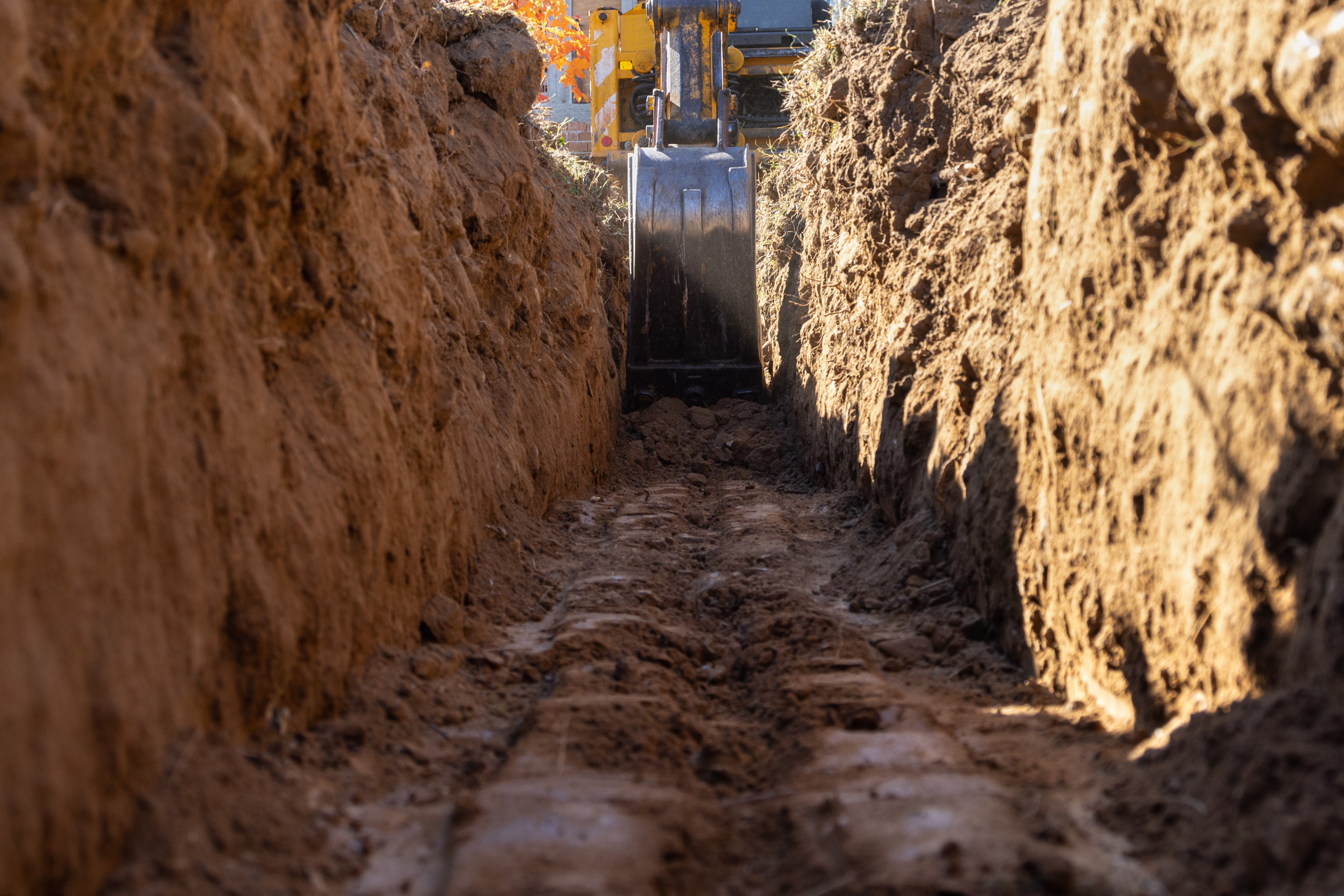
Proper excavation is the backbone of a solid foundation. Done right, it sets the stage for a stable structure. Missteps, however, can lead to costly foundation issues that spiral out of control. At the core of good excavation lies an understanding of both the immediate and long term impacts on the building’s foundation. The guide outlines how to do it properly, “How Proper Digging Prevents Foundation Issues”.
One key element in preventing foundation issues through excavation is adhering to the “3/4/5 rule.” This principle is a simple yet effective way to ensure that the base of your excavation is stable, straight, and safe. Imagine creating a right triangle; when one side is 3 units, another is 4 units, the diagonal should measure 5 units. This quick check ensures that your excavation walls are aligned correctly, reducing the risk of slumping or collapse.
Beyond alignment, another crucial factor is the soil type. Different soils behave differently under stress; knowing what you’re dealing with helps in choosing the right excavation approach. Loose sandy soils may need reinforcement or special shoring techniques, while clay rich soils can carry expansion and contraction issues. Effective excavation goes hand-in-hand with proper soil assessment to mitigate these potential pitfalls.
Moreover, drainage plays a pivotal role during and after excavation. Water accumulation around the excavated area can weaken the soil and increase lateral pressure on foundation walls, leading to potential failure. Ensuring proper drainage channels and dewatering methods can safeguard the integrity of the foundation.
In essence, proper excavation is about foresight and precision. It’s about respecting the natural tendencies of earth and staying vigilant to the environmental factors at play. Keeping these practices top of mind prevents common pitfalls and sets a rock-solid stage for a lasting structure.
Crawlspace Excavation and Considerations
Crawlspace excavation isn’t just digging under a house; it’s about creating a foundation that’s secure and enduring. The process involves removing soil to allow access beneath a structure, often to accommodate additional storage, install utilities, or improve structural integrity. But this activity comes with its fair share of caution, chiefly due to the confined space and the earth’s unpredictable behavior.
First off, there’s the threat of undermining the existing foundation. Removing too much soil or not adhering to proper excavation techniques can compromise the building’s stability. Then there’s soil erosion, which can lead to unexpected settlements or even sinkholes if not correctly managed.
To mitigate these dangers, a few measures stand out. Implementing erosion control measures such as retaining walls or vegetation barriers can help stabilize the soil. It’s crucial to ensure the area is well-drained to prevent water accumulation, which exacerbates soil erosion and increases pressure on foundation walls.
Best practices in crawlspace excavation focus heavily on safety and precision. Before any dig, a comprehensive site assessment is vital. It should look at soil types, moisture content, and any existing structural vulnerabilities. During excavation, continuous monitoring is key keeping an eye on potential signs of distress, like cracks in walls or shifting soil, can allow for quick corrective action.
Ultimately, successful crawlspace excavation demands not just a shovel but also a solid plan and an understanding of the environmental conditions. Balance the engineering finesse with practical know-how, and you’ll lay the groundwork for a foundation that stands the test of time.
How to Prevent Excavation Hazards
When it comes to excavation, safety isn’t just a priority, it’s a necessity. The moment you start digging, you’re opening the door to a variety of potential hazards that could delay your project or, worse, cause serious harm. The good news? With the right steps, most of these hazards are preventable.
Step 1: Familiarize Yourself with the Lay of the Land
Before breaking ground, conduct a thorough site assessment. Key aspects to check include:
- Unstable Soil: Identify soil types that may pose risks for shifting or collapse.
- Underground Utilities: Locate utilities to prevent accidental strikes.
- Fluctuating Groundwater Levels: Assess water levels that could affect digging conditions.
Mapping these hazards early helps you tailor your approach and equipment to the specific challenges at hand.
Step 2: Set Up a Robust Safety Plan
Safety protocols are more than just guidelines, they’re your blueprint for a smooth operation. Implement the following:
- Clear Communication: Establish lines for effective information relay.
- Emergency Procedures: Train your team in procedures for unforeseen situations.
- Defined Chain of Command: Ensure everyone knows their roles in maintaining safety.
Conduct regular safety briefings to keep everyone alert.
Step 3: Equip and Maintain Tools Properly
Ensuring your equipment is fit for the task is crucial. Focus on:
- Guardrails and Barriers: Install these to protect workers and bystanders.
- Appropriate Machinery: Use the right tools for the job and keep them in top shape.
- Regular Inspections and Maintenance: Prevent machinery malfunctions that could lead to accidents.
Step 4: Stay Adaptive
Conditions can change rapidly on an excavation site. To manage evolving situations:
- Monitor Weather Forecasts: Heavy rain can destabilize digs, so plan for weather changes.
- Adjust Safety Measures: Be ready to modify your plans to meet current conditions.
Conclusion
By identifying hazards, following solid safety protocols, and maintaining an adaptable mindset, you can sidestep the pitfalls of excavation. Safety isn’t just an outcome, it’s a process. And with diligence, it’s one that keeps your project not only on schedule but also well within safe boundaries.
Shoring and Slope Stabilization
When digging into the earth, keeping the sides of an excavation from collapsing is paramount. This is where shoring design services come into play. Shoring involves using temporary supports to hold up the dugout sides. Think of it like propping a book open while you’re in the middle of reading it, just on a much larger and more vital scale. By preventing cave ins, shoring maintains the excavation’s shape and safeguards the structural integrity of whatever will be built there.
Slope stabilization becomes equally crucial when dealing with sloped or uneven terrains. The basics include grading, carefully reshaping the land to create gentler slopes, and ensuring there’s a proper drainage system. Water is notorious for eroding soil and destabilizing slopes, so controlling its flow is a must. These techniques aren’t just about preventing landslides; they’re about ensuring that the ground holds steady long after the construction crew leaves the site.
Conclusion
Understanding the complexities and potential pitfalls of excavation can mean the difference between a stable structure and costly disaster. A stitch in time truly saves nine when it comes to foundation problems. This section summarizes the key points discussed in this article and highlights strategies to mitigate foundation problems effectively.
Importance of Understanding Foundation problems
- Stable Structure vs. Costly Disaster: Proper planning and execution are crucial in safeguarding against failures.
- Proactive Measures: Regular inspections, high quality materials, and rigorous site assessments are essential.
Role of Structural Engineers
- Expert Design Solutions: Structural engineers play a vital role in designing solutions tailored to specific site conditions.
- Adherence to Standards: Ensuring compliance with industry standards and safety regulations is crucial from initial excavation to final construction.
Success Stories and Lessons
- Examples of Success: Many projects have withstood the test of time by following the guidelines discussed.
- Savings and Safety: Learnings from successful projects can save money and help maintain structural integrity and safety.
For those seeking deeper insights and actionable strategies, resources like LevelUpKC provide a wealth of knowledge on effective excavation techniques to prevent foundation issues before they arise. Remember, avoiding foundation issues isn’t a matter of luck; it’s about careful planning and execution.