

by Luke Cronin
Share
by Luke Cronin
Share
Helical Piles vs Push Piers: The Better Foundation Fix
Understanding which foundation solution best suits your needs can be a game-changer whether you’re dealing with a sinking home or a shifting foundation.
Introduction: Why Foundations Need Fixing
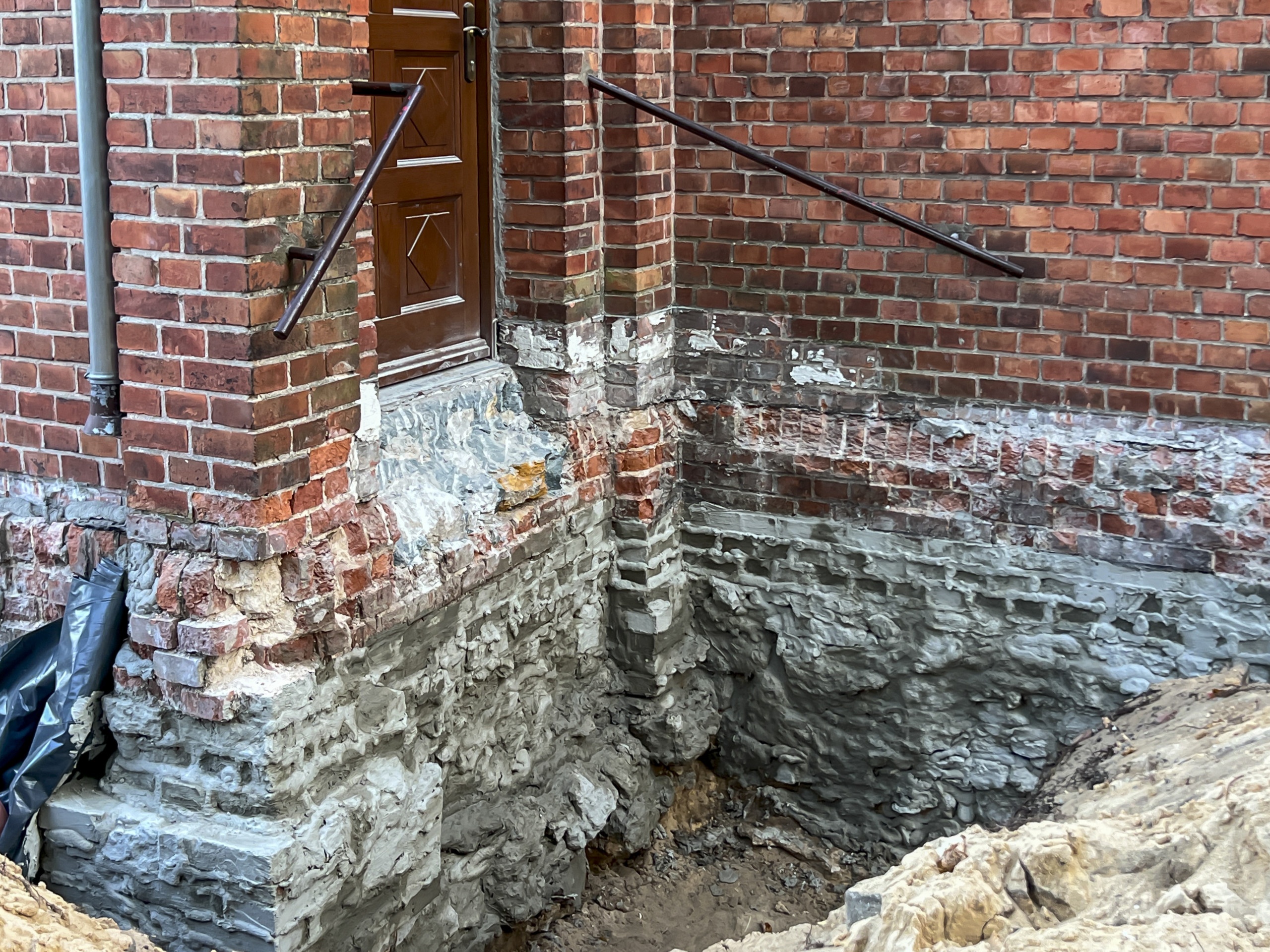
Foundations may seem rock-solid, but they’re not invincible. Houses settle; they don’t always sink gracefully. Soil shrinkage, weather changes, or just plain aging can shake things up. When foundations settle unevenly or lift unexpectedly, you’ll soon see the consequences—cracks in walls, slanted floors, doors that won’t close right. They’re like the house’s alarm bells, telling you to act fast. Ignoring these warning signs is like hitting snooze on a problem that only gets bigger. Early intervention can mean the difference between a quick fix and a costly overhaul. So, understanding what’s going on underfoot is key to keeping your home steady and safe.
Understanding Helical Piers
Helical piles, also known as helical screw piles, are a type of deep foundation system used to support structures in weak soil environments. These piers consist of steel shafts with circular, helically-shaped plates welded to them. Resembling giant screws, they are inserted into the ground using hydraulic equipment until they reach stable soil or bedrock, providing immediate load-bearing capacity. Here’s more detailed information on their benefits and applications:
Benefits of Helical Piles
- Quick Installation:
Helical piles offer rapid installation since they don’t require extensive excavation. This leads to minimal soil displacement and disruption, making them ideal for projects with restricted access or where minimizing environmental impact is essential. - Strong Load-Bearing Capacity:
These piers can reliably support buildings, homes, and other structures. Their unique design allows them to be used in a range of soil conditions, from soft clay to sandy soil, adding to their versatility as a foundation solution for diverse locations and projects.
Determining the Number of Helical Piers Needed for a House
The number of helical piers needed for a house is influenced by several factors:
-
- Weight of the Structure
- Soil Conditions
- Type of Foundation (Slab, Crawl Space, or Basement)
- Foundation material (Typically Concrete of CMUI)
A structural engineer will consider all these elements to determine the most effective configuration, ensuring stability and safety for the structure.
Supporting a House with Helical Piers
Helical piers are fully capable of supporting residential structures. Their significant load capacity often bears weights that soil alone cannot support. With proper design and installation, they offer a firm foundation for homes, providing long-term support and peace of mind.

Exploring Push Piers
Push piers are an essential component of foundation repair systems, especially useful for stabilizing and lifting structures that are settling or sinking. Here, we will explore how they work, their benefits, and how they compare to helical piles.
What are Push Piers?
Push piers are a type of foundation support system used primarily to stabilize and lift sinking or settling buildings. They consist of heavy-duty, galvanized steel pipe sections that are driven deep into the ground until they reach a load-bearing stratum. This technique provides a reliable base for lifting and stabilizing the structure.
Benefits of Push Piers
Push piers offer several advantages for foundation repair:
- Deep Penetration: They reach deep into stable soil or bedrock, ensuring reliable long-term support even under challenging soil conditions.
- Weight-based Installation: By utilizing the weight of the building to drive the piers down, they can often reach greater depths and provide stability in situations where other systems may not suffice.
- Heavy-Duty Applications: Ideal for properties requiring strong support due to their ability to penetrate deep into the ground, enhancing stability.
Comparison: Helical Piers vs. Push Piers
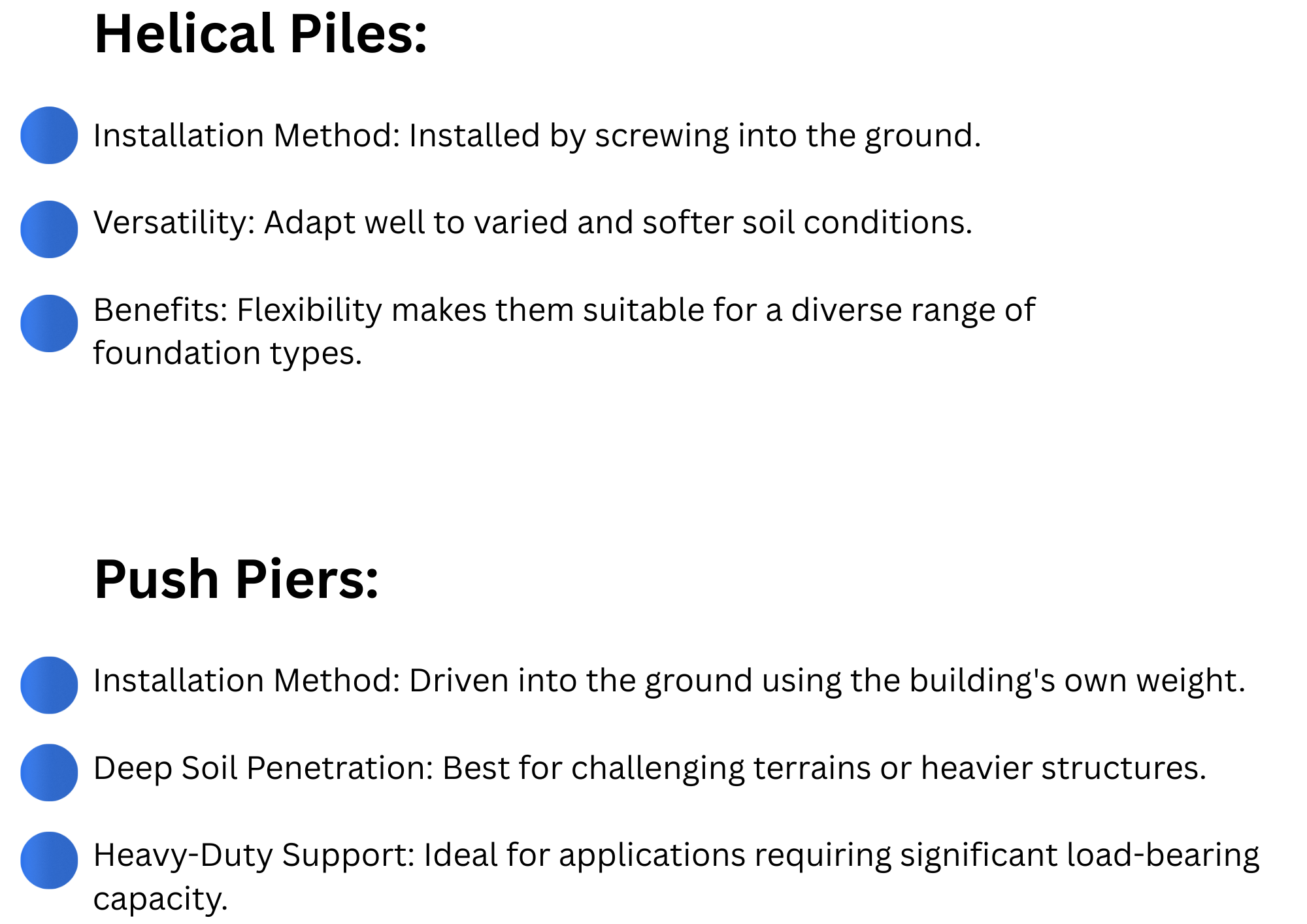
Both helical piers and push piers are used to stabilize structures, but they offer different benefits depending on the method of installation and the soil conditions.
The choice between helical piles and push piers depends on specific site conditions, building load requirements, and budget considerations. Each system offers unique strengths, making it crucial to assess the particular needs of your foundation project. In this article that outlines “4 Key Differences Every Homeowner Should Know”, a key distinction is how they adapt to various soil types; with push piers being favorable in rugged environments due to their deep anchorage capabilities.
Deciding Between Helical Piers and Push Piers
When it comes to choosing between helical piers and push piers, it can feel like selecting between two competent contenders. Each has its specific merits, but the better choice depends on your project’s unique requirements.
Helical Piles
Helical piles are particularly advantageous in the following scenarios:
- Rapid Installation: They offer quick setup, reducing project timelines.
- Adaptability to Soil: Ideal for sites with varying soil conditions.
- Load Handling: Capable of managing both lateral and compression loads.
- Minimal Site Disruption: Suitable for projects where minimal disturbance is essential.
Push Piers
Push piers excel in different conditions, especially:
- Deep Penetration Needs: Excellent for reaching stable soil layers deep within the ground.
- Stability: Beneficial when dealing with unstable upper soil layers.
- Heavy Structures: Provide necessary support for heavy structures requiring deep anchoring.
Choosing the Right Foundation
Deciding whether helical piles or push piers are better depends on:
- Project Demands: Quick setup vs. deep anchoring.
- Structure Weight: Lighter structures may benefit from helical piles, while heavier ones might need push piers.
- Soil Conditions: A thorough assessment of the site’s soil is critical.
A comprehensive site assessment that considers these factors will ensure that your choice aligns perfectly with the needs of your foundation project.

Finding the Best Foundation Repair Company
Choosing the right foundation repair company can make all the difference between a quick fix and a lasting solution. First, consider the company’s experience and track record. Check their credentials and customer reviews; a company with a solid reputation often signifies reliability and competency. Be wary of those with limited experience or no local presence, as they might lack the necessary expertise or understanding of local soil conditions.
Next, evaluate their response time and customer service. Are they prompt in addressing inquiries, and do they provide clear information about their process? Good communication is a hallmark of professionalism, indicating that they prioritize client needs.
Another critical factor is their use of technology and techniques. A reputable company should be up-to-date with the latest foundation repair technologies, offering both Helical Piles and Push Piers as options, along with a thorough assessment of which fits your specific situation.
Don’t overlook the importance of transparency in their pricing and warranty offerings. A company that clearly outlines costs and provides solid warranty protection shows confidence in their work and respect for the client.
For additional tips on making an informed decision, consult our resource “Choosing the Right Foundation Repair Company”. Professional assessment is crucial for any foundation repair decision, ensuring that your choice is sustainable, effective, and tailored to your home’s needs.
Foundation Repair Process
When it comes to foundation repair, the process involves both precision and patience. Both Helical Piles and Push Piers require a clear strategy, tailored to the unique challenges of your structure. Here’s a simplified version of what you can expect to go through.
Assessment and Planning
The first step is a thorough assessment, which is essential. During this phase, a structural engineer will evaluate the following:
- Extent of the damage
- Soil type
- Load requirements
This step sets the stage for selecting either Helical Piles or Push Piers. It’s a crucial phase that ensures you approach the repair process with a clear understanding, mitigating risks.
Installation
Next, it’s time for the heavy lifting with the installation process:
Helical Piers
- Quick and straightforward installation
- Piers are screwed into the soil using hydraulic machinery
- Minimal soil disturbance for a cleaner job
Push Piers
- Relies on the structural weight to push the piers through soil layers
- Continues until the piers reach stable ground
It’s essential that professionals handle this step to ensure long-term stability of the foundation.
Stabilization and Adjustment
Once installed, both systems are adjusted to lift and stabilize the foundation:
- Meticulous calibration is vital
- Ensures even support for the foundation
- Prevents further settlement
Quality adjustments take time but are necessary for a durable fix.
Regular Maintenance and Inspections
Finally, remember that post-repair maintenance is key:
- Routine checks and inspections are crucial
- Helps catch potential issues early
- Acts as a tune-up for your home’s structural health
Regular evaluation can prevent surprises, ensuring your foundation remains strong over time. While the process might seem traditional, it’s effective in making sure your foundation withstands the test of time. A little diligence today can prevent major headaches in the future.
In conclusion, both Helical Piers and Push Piers present solid solutions for tackling foundation troubles. Helical Piers offer quick installation and a versatile approach suitable for varying soil conditions, while Push Piers provide impressive depth and stability for heavy-duty needs. Each system has its merits, so choosing the right one hinges on your specific situation. Consulting with a foundation expert is key. These professionals can assess your property’s unique demands and guide you to the most effective option. When it comes to your home’s foundation, making an informed decision ensures long-term stability and peace of mind. Don’t hesitate to seek professional advice; it’s a crucial step in securing your home’s future.