

by Luke Cronin
Share
by Luke Cronin
Share

Foundation settling can be a homeowner’s nightmare if left unchecked. Understanding what causes it and how to address it will help protect your investment. Let’s take a straightforward approach to diagnosing the issue, exploring cost-effective repair options, and ensuring your home remains safe and sound.
Understanding Foundation Settling
Foundation settling is like that little rattle in your car — easy to ignore until it snowballs into something much costlier. Let’s break it down without the fuss.
When your house’s foundation starts to settle, it’s mostly because the ground beneath it is playing musical chairs. It happens a lot in places with clay-rich or loosely packed soils. You’ll notice things like uneven floors or annoying wall cracks.
Here’s the straight talk: settling itself isn’t the end of the world if it’s nice and even. It’s when things get out of whack that you might have bigger fish to fry. That’s the red flag waving for structural woes, and those need fixing pronto.
Don’t brush off settling as just another quirk of an aging home. True, it’s often slow and stealthy, like a bad penny, but over time, it can morph into a major headache. Spotting it early on means you catch the molehill before it turns into a mountain, saving you stress and a dent in your wallet.
Identifying Signs of Foundation Settling
Spotting signs of foundation settling early can save you a lot of headaches (and money) down the road. Here’s a no-nonsense look at what to keep an eye out for:
- Cracks Everywhere: No exaggeration, cracks in walls, ceilings, or floors are some of the most obvious red flags. They usually start small and can often be found around windows and door frames. If you notice a crack getting bigger, it might be time to call in an expert.
- Stubborn Doors and Windows: If you feel like you’re wrestling with doors or windows to get them to open or close, don’t ignore it. This stubbornness often comes with settling territory and might signal shifts in the foundation. You might think it’s just humidity or an old house quirk, but it could be something more.
- Wonky Floors and Leaning Chimneys: Uneven floors can lead to some amusing household challenges, like rolling pens and water collecting in weird spots. However, it’s a clear indicator of possible foundation movement. Check your chimney, too—if it’s starting to lean like the Tower of Pisa, it could be due to settling issues.
Pay attention to these signs to catch problems early and prevent more serious structural damage. Regular checks, DIY or professional, can help keep your foundation in good shape.

Causes of Foundation Settling
Foundation settling can be a headache, but understanding its causes can help you tackle it head-on. The biggest culprits usually fall into three categories:
1. Soil Settlement
Soil is the typical suspect when it comes to foundation settling. The type of soil beneath your house plays a massive role in how and why your foundation might shift. Here’s what to consider:
- Clay-Rich Soil: Expands when wet and contracts when dry, leading to uneven settling.
- Loose Soils: Can compact over time, causing the ground and your home to shift.
2. Water Issues
Water is the stealthy saboteur of stable foundations. Be mindful of:
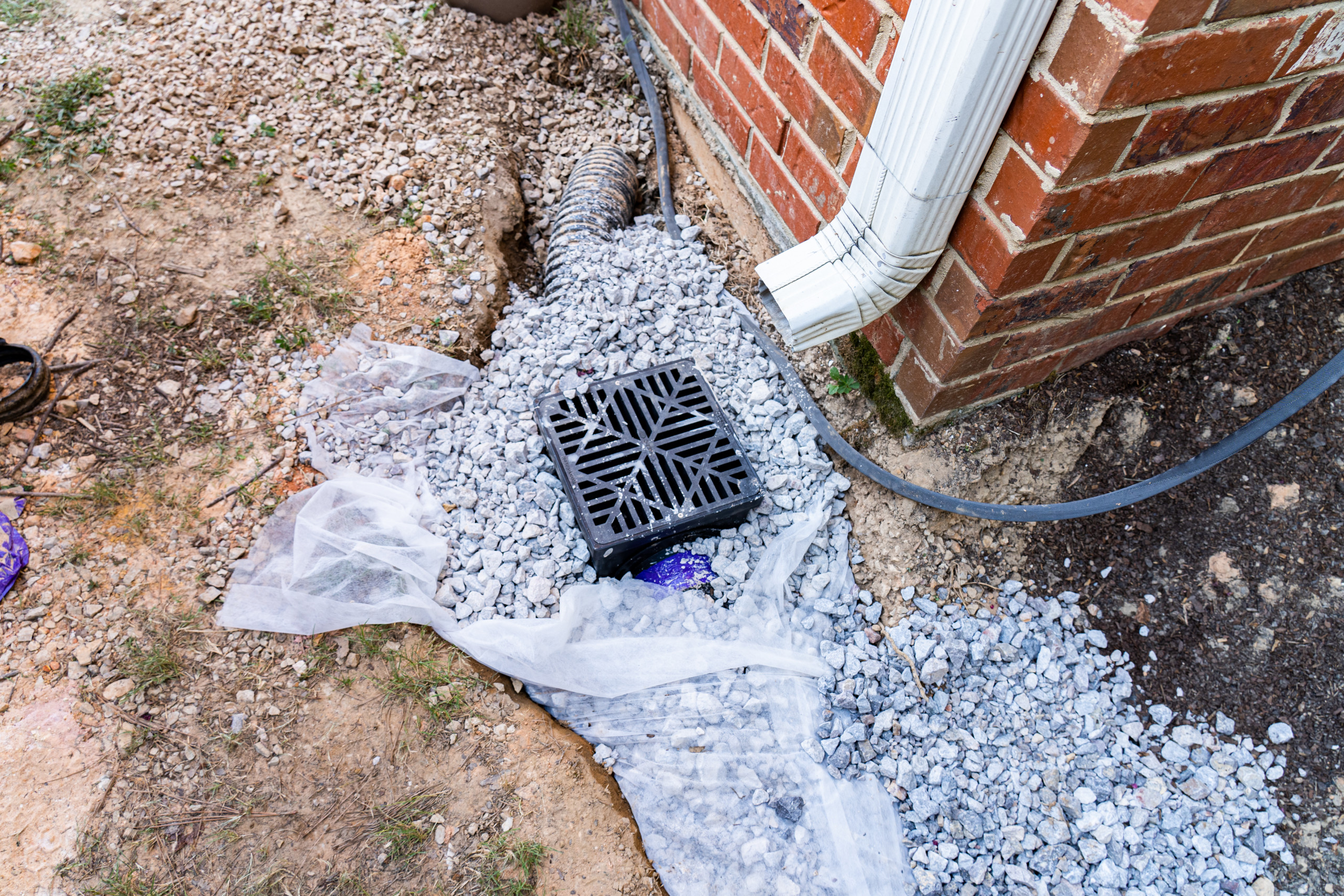
- Poor Drainage: Ensure that your gutters and downspouts are channeling water away from your foundation.
- Constant Rain: Can erode the ground or create soggy patches that are unstable.
- Plumbing Leaks: Hidden leaks can cause erosion.
3. Nearby Construction
Think of nearby construction as the elephant in the room—or, more literally, in the yard next door. Consider the impact of:
- Heavy Machinery: Vibrations from construction can shake soil into new and unstable positions.
- Deep Digging: Excavation activities can affect soil stability.
- Frequent Vibrations: From construction work can signal changes in your home’s stability.
If you notice changes in your walls or floors when your neighbor’s putting in a pool or an addition, it could be a sign of shifting ground due to these activities.
Repairing Foundation Settling
How to Fix Foundation Settling?
- Hire a Professional: The first step is reaching out to a reputable foundation expert. A professional diagnosis is key because not all settling indicates a problem. They’ll assess the situation, distinguishing between benign settling and problematic shifts that need intervention. In these cases, consulting a structural engineer can provide added assurance by confirming the severity of movement and the best course of action.
- Choose the Appropriate Method: Once the issue is diagnosed, the next step is selecting a repair method. The solution depends on the severity and type of settling issue you’re facing. Here are a couple of common approaches:
Common Repair Methods
- Underpinning: This technique involves installing additional support beneath your foundation. If your home needs better support, underpinning can provide the necessary stability by extending the foundation to more stable soil layers. It’s effective but can be pricey, so weigh it against your budget.
- Slab Foundation Repair: In cases where the concrete slab is problematic, options include mudjacking or polyurethane injection. Mudjacking, also known as slab jacking, involves pumping a cement mixture under the sunken slabs to lift them back into place. Polyurethane injection works similarly but uses lightweight foam that expands to fill gaps. Both these methods offer cost-effective fixes that don’t require extensive excavation.
- Basement Foundation Repair: For basements suffering from wall movement or bowing, options like wall anchors or carbon fiber strapping might come in handy. These repairs prevent further shifting and reinforce walls without a major overhaul.
Each situation is unique, so consult with experts to determine which method fits your scenario. Don’t guess—ensure you’re addressing the root cause for lasting peace of mind. The most suitable repair will bolster the foundation and safeguard your home from future settling concerns.
Cost Considerations
How Much Does it Cost to Fix Foundation Settling?
Repairing foundation settling isn’t a one-size-fits-all situation; costs can vary dramatically depending on the severity of the damage and the repair method. For some homes, a straightforward fix—like slab jacking or minor underpinning—might run just a few thousand dollars. But when extensive structural issues are in play, the price tag can skyrocket to $10,000, $50,000, or even more. The big takeaway? Catching problems early is the best way to keep your budget in check. A proactive approach with timely inspections not only protects your home but also spares your wallet from taking a serious hit. For added clarity, it’s wise to review a detailed cost breakdown so you know exactly what expenses to anticipate. Want the full picture? Our blog dives into a detailed breakdown of what really goes into pricing in Colorado Foundation Repair Costs: What You Need to Know.
Most of the time, homeowners’ insurance doesn’t cover foundation settling unless it’s tied to something like a natural disaster. Policies usually exclude damage from regular soil movement or poor construction. So, it’s crucial to read the fine print. Your plan might help if settling happens after, say, a burst plumbing pipe, but that’s the exception, not the rule. When in doubt, chat with your insurance agent to understand exactly where you stand.
Prevention Tips for a Solid Home Foundation
Keeping your home’s foundation solid doesn’t have to be a major ordeal. A few simple steps can make a big difference in avoiding foundation woes. Here are some prevention tips to consider:
Ensure Proper Drainage
- Keep Water at Bay: Rule number one is to ensure that water is effectively diverted away from your home’s foundation.
- Gutter Management: Make sure your gutters and downspouts are directing water away. If not, take immediate action.
- Yard Sloping: Maintain a slope in the yard away from the house to ensure good water runoff.
Regular Maintenance
- Routine Checks: Perform regular inspections to catch any issues early.
- Address Cracks Promptly: If you spot a small crack, fix it before it becomes a bigger problem.
- Long-term Benefits: While it might feel like a hassle now, regular maintenance will save you from future headaches.
Soil Maintenance
- Understand Soil Types: Different soils behave differently. Clay-rich soil, for instance, acts like a sponge, expanding and contracting with the weather.
- Soil Treatments: Consider applying soil treatments to enhance stability.
- Consult Experts: If needed, consult a soil expert to improve the soil’s strength and keep things steady.
In a nutshell, a bit of foresight can save you a ton of trouble. Taking these steps will keep your foundation, and essentially your entire house, standing tall for the long haul.
Managing Foundation Settling
Foundation settling is a serious concern, but with the right information and action steps, you can manage it effectively. By staying informed and vigilant, you can mitigate risks and ensure the longevity of your home’s structure.
Key Steps to Manage Foundation Settling
- Early Detection:
-
- Keep an eye out for warning signs such as cracks in walls or uneven floors.
- Regularly inspect your home to catch issues early.
- Cost-effective Repair Methods:
-
- Consider various repair options to address minor settling before it becomes a major issue.
- Stay informed about the latest techniques and materials available for foundation repair.
- Professional Engagement:
-
- Engage professionals when necessary. Their expertise can guide you through complex repairs.
- Regular inspections by experts can identify potential problems before they escalate.
- Proactive Approach:
-
- Protect your investment by taking preventative measures seriously.
- Regular maintenance and inspections can prevent costly repairs down the line.
Ensuring the stability of your home’s foundation is essential for its longevity and your peace of mind. By following these steps, you can effectively tackle this significant home maintenance task. For more information on foundation repair, visit this website that explains “Everything you need to know about foundation repair.”