

by Luke Cronin
Share
by Luke Cronin
Share

Are you planning a major home renovation? Before you start, consider your floors. Heavy renovations can be tough on existing structures. Ensuring your floors can handle the added weight is crucial. Let’s look at ways to reinforce floors and keep your home safe.
Introduction
When you’re diving into a major home renovation, there’s a lot to think about, but one of the most critical yet often overlooked areas is the floor beneath your feet. Reinforcing floors isn’t just about avoiding squeaky boards; it’s essential for ensuring your entire renovation project stays upright, literally.
Fundamentals to Consider to Reinforce Floors
Before you bring in the heavy machinery and stacks of tiles or appliances, it’s time to do your due diligence and prep those floors by understanding the basics:
- Load-Bearing Capacity:
This refers to how much weight your floor can handle without collapsing. Ensuring adequate load-bearing capacity is vital to prevent any structural failures during and after your renovation. - Structural Integrity:
This concerns the overall strength and durability of your home’s framework. A floor with good structural integrity will ensure your renovation not only looks good but stands strong against time and gravity.
Getting these aspects right means your renovation will be built to last, seamlessly combining aesthetics with safety and durability.
Understanding Floor Load Capacity
The concept of floor load capacity refers to the maximum weight a floor can support without risk of collapse. Think of it as your floor’s strength limit. Knowing this capacity is not just theoretical; it is crucial for maintaining structural integrity and safety in your home.
Key Components for Determining Floor Load Capacity Before You Reinforce Floors
- Examine the Materials
- Wood: Has variable capacity limits, often dependent on the type and condition.
- Concrete: Generally more consistent and reliable, but quality still matters.
- Steel: Strong, stiff, and built for the long haul. It won’t sag like wood or crack like concrete, but it needs proper connections to shine.
- Assess the Structure
- A well-built foundation supports more weight than one affected by wear and tear over time.
Influencing Factors
Several factors will influence floor load capacity:
- Material and Core Structure
-
- Wooden Beams: May bow over time.
- Concrete: More steadfast but quality is crucial.
- Age of the House
-
- Older homes may not meet today’s standards and could have reduced load capacities. This might mean your remodel will require you to reinforce floors.
- Existing Damage or Wear
-
- Ongoing wear and damage can significantly reduce the weight a floor can handle, making regular inspections essential. To reinforce floors that are worn or damaged might be all that is needed for them to withhold a heavy remodel.
In Simple Terms
Understanding floor load capacity is about knowing what your floor is made of and what it has endured. This knowledge lays the groundwork for any necessary improvements to enhance its load-bearing ability.
Steps to Reinforce Floors
Assess the Current Condition
Before diving into the heavy lifting, take a close look at what you’re dealing with. Start with a thorough inspection. If you’re comfortable with a flashlight and a floor plan, crawl beneath if you’ve got access. Check for cracks, warping, and creaky spots—these can be tell-tale signs of underlying issues. If the task seems gnarly or beyond basic DIY skills, call in a structural engineer. They have the chops to spot complex problems that could risk the integrity of your renovation. For more visual guides and structural details, sources like Foundation Damage: Top Solutions for Effective Repair offer solid tips.

Strengthen Your Floors
Once you’re clued into your floor’s shortcomings, it’s time to beef them up.
- Sistering Joists: This method is a go-to fix for wobbly floors. Sistering means doubling up the existing joists by attaching a new one right next to the old. It’s not rocket science but does require precision. Cut the new joist to size, align it snugly against the old one, and secure them with nails or screws. It’s rugged support from the bones up.
- Adding Support Beams: If sistering won’t cut it, consider dropping in support beams. These are the beefier cousins to joists, often made from steel or heavy-duty wood. They’re ideal for open spaces crying out for rigidity.
- Engineered Floor Joists: Going modern can pay off. Engineered joists are designed for resilience and can handle some serious load without sagging. It’s a “set and forget” kind of solution.
- Installing New Subflooring: Without having to reinforce floors, sometimes the best fix is to start fresh. New subflooring can provide a sturdy base to support your renovation. Ply or oriented strand boards are solid choices to layer beneath your main flooring. This step also works wonders for reducing squeaks and creaks.
Don’t Skip Serviceability
Strength matters, but so does how your floor feels underfoot. A floor can be technically strong and still drive you nuts.
- Watch for Deflection: If your floor bows when you walk across it, that’s deflection. It might hold the load, but it doesn’t feel right—and it can crack tiles or pop drywall seams over time.
- Tame the Bounce: Ever walk across a room and feel like you’re on a trampoline? That’s floor vibration. It’s not just annoying—it’s a sign your joists may be too long or too far apart.
- Stiffen Things Up: Blocking, bridging, or upgrading to engineered joists can make a world of difference. Think of it like tuning a guitar string—tightening the structure kills the buzz.
- Comfort Counts: At the end of the day, you want floors that don’t just hold up—they feel solid. Serviceability might not make the structural drawings, but your feet will thank you.
Fixing Foundation Issues
A stable floor starts with a solid foundation. Sagging floors often stem from problems down below. Check if your foundation needs some love—cracks or shifts can be subtle saboteurs of stability. Consider underpinning or mudjacking for leveling off tricky areas. For a deep dive, check out How to Identify and Fix Uneven Floors Easily for more insights on spotting and stopping these foundation flaws.
Flooring Upgrades for Renovation
When you’re in the thick of a renovation, it’s prime time to evaluate your existing flooring and think about upgrades. Not all flooring materials are created equal, especially when it comes to handling hefty loads and high traffic. Let’s break it down.
Assessing Durability and Resilience
- Engineered Wood Floors
-
- Strength that trumps traditional hardwood
- Layers of plywood topped with a hardwood veneer
- Better resistance to moisture and warping
- Ideal for rooms with high activity
- Luxury Vinyl Planks (LVP)
-
- Mimic the look of wood or stone
- Super durable and water-resistant
- Cost-effective compared to hardwood
- Attractive option for budget-conscious renovators
High-Strength Options
- Reinforced Concrete Floors
-
- Extremely strong but heavy and expensive
- Might be overkill unless dealing with demanding loads
- Engineered Flooring Solutions
-
- Structural Insulated Panels (SIPs)
- Prefabricated with a high strength-to-weight ratio
- Simplify the reinforcement process
Considerations for Choosing the Right Flooring
When comparing options, balance the following factors:
- Strength and Longevity – Ensure the material meets your long-term durability needs.
- Cost – Stay within budget while not compromising on essential qualities.
- Aesthetics – Choose a style that complements your overall design.
- Installation Complexity – Consider ease of installation.
Making a smart choice here will save you headaches down the road. Whatever you opt for, double-check that it aligns with your reinforcement strategy and weight capacity calculations. With the right flooring, your renovation will not only be stylish but stalwart too.
Safety Considerations
When planning heavy home renovations, safety isn’t just a nice-to-have; it’s a must. The extra weight from new structures or materials can stress your floors and potentially compromise your home’s structural integrity. Being mindful of safety keeps everyone under your roof, both workers and inhabitants, out of harm’s way.
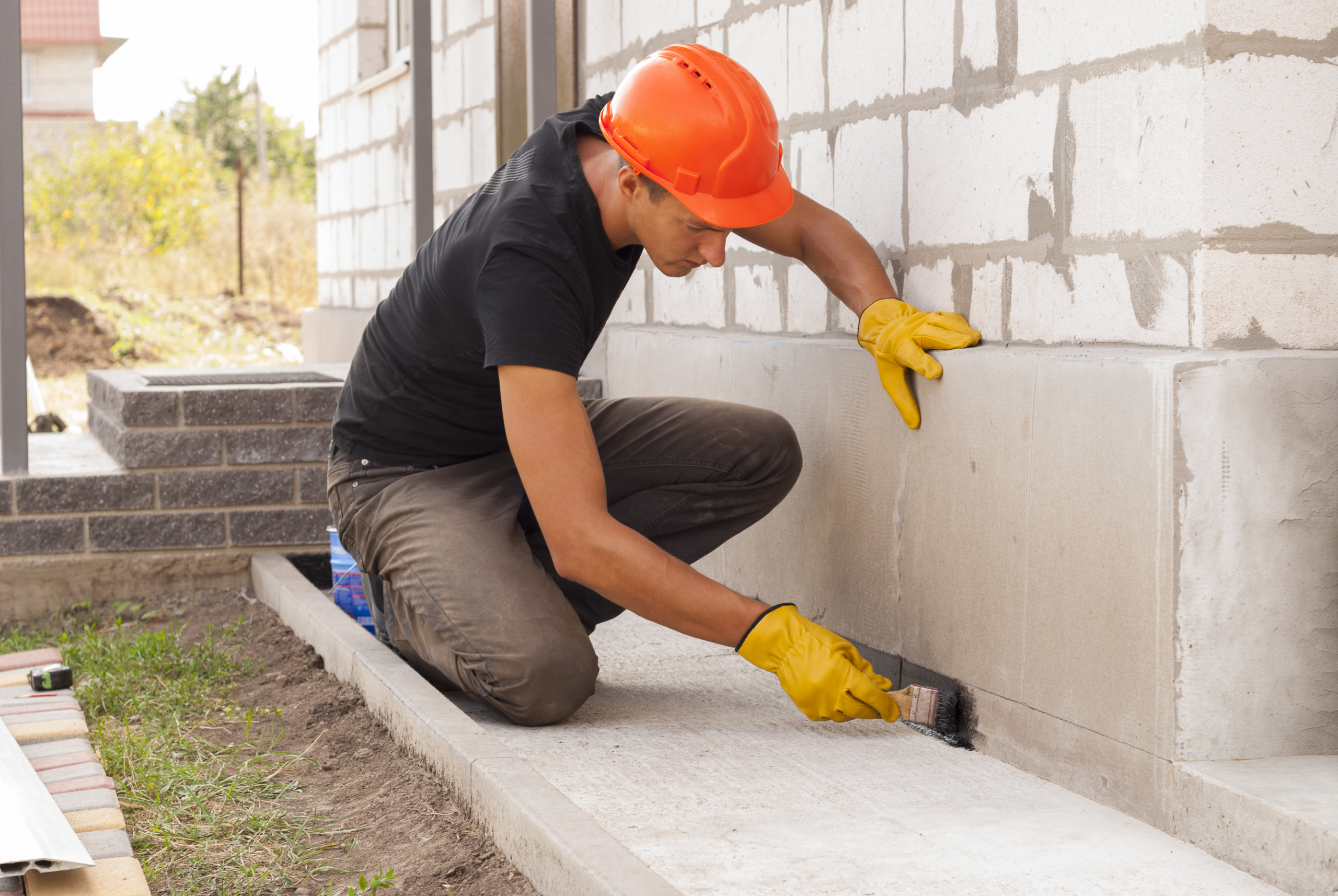
Start by ensuring that the workspace is well-organized. Clutter can cause trips and falls, so keep pathways clear and tools stored properly. Safety gear, like hard hats and goggles, should be standard issue for everyone involved.
Regular inspections during the renovation process are vital. Check that temporary structures are stable, especially if you’re using support beams to uphold the floor while work is being done. If you notice any creaks, cracks, or unexpected shifts, halt the work immediately and reassess. This isn’t the time to brush things off; small issues can turn into big problems fast.
Consult professionals when in doubt. Structural engineers or experienced contractors can offer insights that aren’t immediately obvious. Their expertise can help you avoid mistakes that could jeopardize your project and your safety.
Lastly, be mindful of what your building codes dictate. They exist not just to make your life more complicated, but to ensure that every renovation is also a safe one. By adhering to these regulations, you contribute to a safer project and a sturdier home for the long haul.
Conclusion
Reinforcing your floors is a vital step in ensuring that your home can withstand the demands of heavy renovations. Here’s a recap of the steps to take for a successful project:
Key Steps to Reinforce Your Floors
- Understanding Load Capacity: Begin by assessing how much weight your floors can currently handle.
- Assess Current Condition: Evaluate the state of your floors to identify any immediate issues.
Methods for Boosting Floor Durability
- Sistering Joists: Add new joists alongside existing ones for additional support.
- Adding Support Beams: Install beams to redistribute weight and minimize stress on existing structure.
- Considering Engineered Solutions: Utilize modern materials designed for enhanced durability.
Additional Considerations
- Tackling Foundation Issues: Address any foundational weaknesses to ensure overall stability.
- Opting for Modern Materials: Use advanced materials that offer greater strength and longevity.
Final Advice
Be proactive; assess, plan, and implement the necessary reinforcements before embarking on your project. Safety should be your guiding principle throughout the process. Don’t hesitate to call in professionals when needed. With these steps, you’ll be well-prepared to undertake your renovations confidently, knowing your floors can handle the load.