

by Luke Cronin
Share
by Luke Cronin
Share

Building a deck addition is a fantastic way to enhance your outdoor living space. However, it involves more than just putting up some wood and nails. Here’s everything you need to know about adding a deck that will stand the test of time.
Introduction
Adding a deck to your home isn’t just about enhancing its curb appeal—it’s about expanding your living space and creating a personal oasis for relaxation or entertainment. Picture a spot where you can unwind with a book, host a barbecue, or simply enjoy the outdoors. A well-planned deck addition can transform an ordinary backyard into a highlight of your home.
The benefits of a deck addition are myriad. It serves as an investment that typically boosts both the utility and the market value of your property. Beyond financial gain, a deck offers a functional area where indoor and outdoor worlds meet, marked by versatility and convenience.
This guide will walk you through the crucial steps of deck creation. We’ll delve into the planning phase, including understanding space constraints and essential permits. We’ll discuss material choices to ensure durability and minimal maintenance. You’ll learn about the structural components critical to a safe build, and get a summary of relevant building codes plus foundation basics. By covering these fundamentals, you can start your deck addition project on solid footing, avoiding common pitfalls and creating a structure that stands the test of time.
Planning Your Deck Addition
Before you even pick up a hammer, the success of your deck addition hinges on thoughtful planning and precise design. This isn’t just about sketching a layout—it’s about understanding your space and recognizing the constraints that come with it. Gauging how much room you have, and how you want to use it, will guide the size and style of your deck. Consider how it ties into the rest of your outdoor area, perhaps as an extension of your current living space or a standalone retreat.
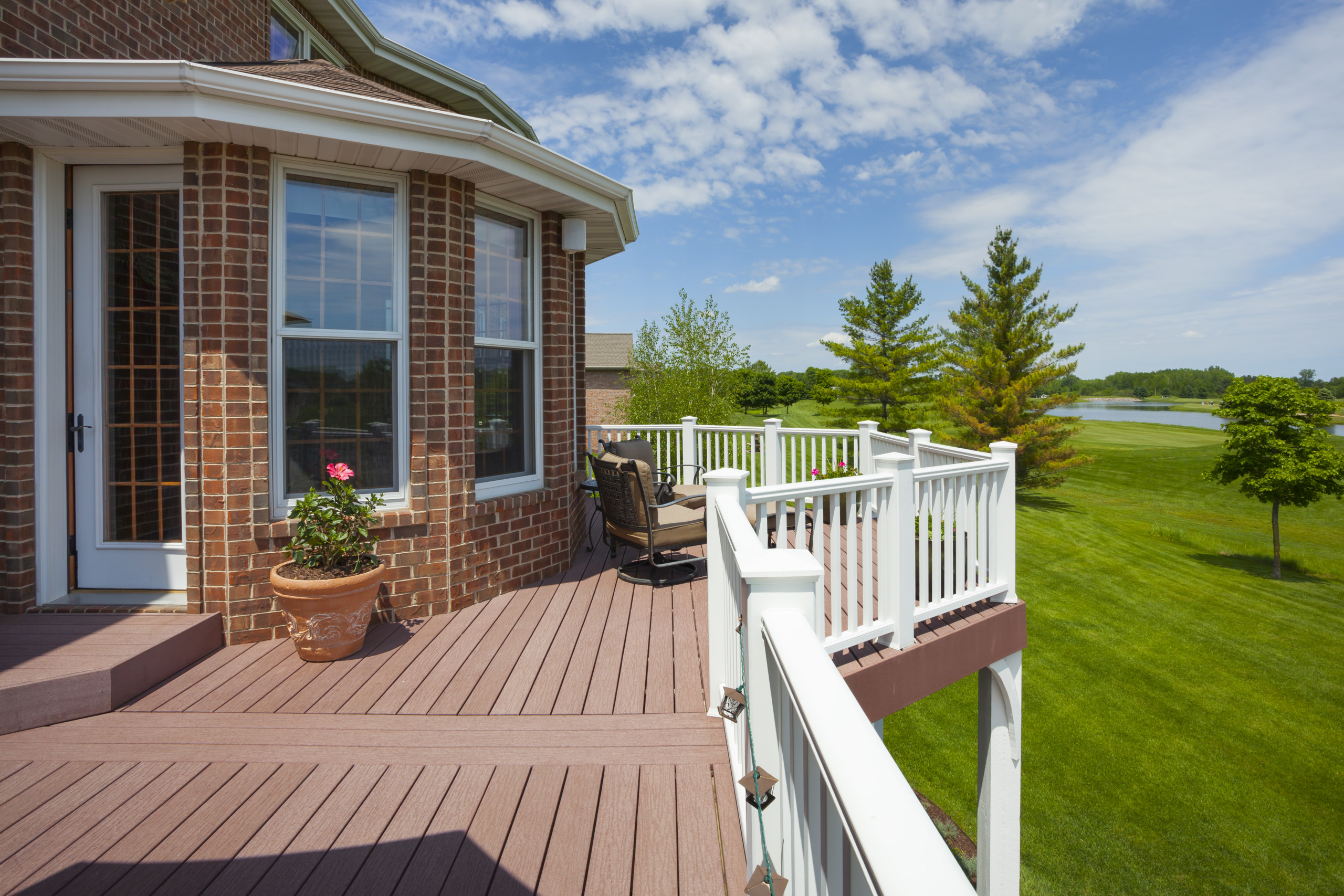
Next up: navigate those pesky zoning laws and permits. Yes, they’re as thrilling as they sound but equally crucial. These regulations can influence deck location, height, and even materials. Ignoring them is not an option unless you’re fond of fines or forced teardowns. A concise breakdown of necessary permissions can be found in Essential Deck Specifications, a lifesaver for any budding deck builder.
Remember, a deck addition that starts with a solid plan is far less likely to end with a regretful sigh. So, take the time to plan right, and you’ll thank yourself later.
Understanding Deck Design and Structure
Building a sturdy deck requires more than just visual appeal; it involves a keen understanding of its design and structural elements. Let’s break it down with just enough detail.
Major Components of a Deck Addition
- Joists: Act as the skeletal underpinning that holds the deck boards.
- Beams: Provide critical support, distributing weight across the structure.
- Posts: Vertical elements that anchor the deck to the ground, ensuring stability.
- Railings: While often considered for safety and aesthetics, railings can also play a role in structural integrity.
Load-Bearing Considerations
To ensure these components work together harmoniously, you must consider load-bearing aspects. Load capacity comes in two flavors:
- Dead Load: The weight of the deck itself.
- Live Load: What the deck supports, like people and furniture.
Properly balancing these loads is crucial to avoid sagging or, worse, failure. Each component must be sized appropriately and installed with precision for a deck addition to stand the test of time.
Advanced Construction Techniques
For those interested in maximizing space without compromising strength, cantilever beam construction is worth exploring. This method extends beams past the support posts, allowing for more space without additional posts. It’s a smart option for anyone looking to expand their outdoor area while maintaining a streamlined aesthetic.
Conclusion
In essence, understanding the structural dynamics and how they influence design decisions is key to a deck addition that not only looks good but also stands strong and safe.
Foundation and Building Code Basics
Before diving into deck construction, understanding the foundation and building codes is crucial. These define not just the longevity but the safety of your deck.
What is the Building Code for Decks?
Building a deck involves adhering to a set of codes that ensure structural integrity and safety. These codes cover everything from the height of the railing to the spacing between balusters. Key building codes require that railings are sturdy enough to prevent falls, and stairs should have proper rise and run to avoid trips. They also demand certain spacing of deck boards to allow for expansion and contraction, ensuring long-term stability.
Deck construction codes also address the structural soundness of the deck, including requirements for proper connection fasteners to prevent the deck from detaching from the house. Ignoring these codes can lead to safety hazards and possible legal issues. A breach might mean costly rebuilds or fines.
To ensure your deck addition meets the relevant standards, refer to local guidelines or consult a professional. For more detailed information, you can check out external resources like Building Your First Deck? Here’s Everything You Need to Know Before You Start!.
Foundation Requirements for a Deck Addition
The foundation is the unsung hero of any deck. Building a deck addition that stands the test of time starts with choosing the right type: floating or fixed footings.
Floating footings are easier to install and more forgiving on uneven ground, making them a great choice for DIY enthusiasts; however, these are not approved by many building codes, please check your local building code requirements prior to installation of this type of footings. For a deck attached to a house, fixed footings are more reliable and are generally approved by building departments. They require digging below the frost line to prevent shifting and to be appropriately sized to support the imposed loads on the deck.
Soil type influences this decision significantly. Sandy soils drain well but may need additional support, while clay can shift dramatically with temperature changes. To avoid a leaning tower of timber, test your soil and plan accordingly. Properly planned foundations translate to fewer headaches down the line and ensure your deck remains a treasured part of your home for years to come.
Hardest Parts of Building a Deck Addition
Building a deck is a rewarding project, but it’s not without its challenges. Addressing these challenges early on can make the process smoother and ensure a durable, beautiful deck addition.
Key Challenges in Building a Deck Addition
Leveling the Deck
- Importance: Ensuring your deck is level across all spans is crucial for both aesthetics and safety.
- Consequences of Poor Leveling: An uneven surface can lead to structural issues and detract from the deck’s appearance.
Providing Structural Support
- Understanding Load-Bearing Elements: Proper support is vital to prevent sagging or collapse.
- Load Requirements Assessment: It’s essential to accurately evaluate the load requirements to reinforce areas adequately.
Alignment Issues
- Alignment Challenges: Lining up boards and beams can be tricky over longer spans.
- Impact of Improper Alignment: Crooked lines result in a shoddy appearance and can compromise structural integrity.
Strategies for Overcoming Deck-Building Challenges
Precision and Tools
- Leveling Tools: Use laser levels or water levels for precise leveling.
- Measurement Best Practices: Measure multiple times before cutting or fastening to ensure accuracy.
Professional Guidance and Resources
- Consulting Professionals: Seek professional advice or detailed guides for structural support to enhance clarity and confidence.
By addressing these obstacles with patience and diligence, you’ll save yourself from future headaches and costly repairs.
How Much Should I Budget to Build a Deck?
Deciding on a budget for your deck addition can feel like nailing Jell-O to a wall—tricky, but crucial to nail down. The first thing to consider is the size of your deck. Bigger decks chew up more cash; smaller ones are obviously kinder to your wallet. Materials are the next big ticket item. Go wood, and you’re looking at regular maintenance, but initial costs might be lower. Choose composite or PVC, and the upfront cost may spike, but they demand less long-term TLC.
Labor is another factor that will stretch or squeeze your budget. DIY aficionados aiming to save on contractor fees should be realistic about skill levels and time. For those opting to hire professionals, get a few quotes and be clear about what you’re willing to spend. A basic rule of thumb? Budget anywhere from $15 to $35 per square foot, but be prepared for that to vary based on local market rates.
Don’t ignore maintenance costs. Over the years, that deck will demand attention. Wood needs sealing and staining, while even low-maintenance composites might spring for a cleaning or repair. Figure this into your financial planning, so you can sit back and enjoy your outdoor space without unexpected bills down the line.
Common Deck Problems and Prevention
Decks can be a fantastic investment, but they’re not immune to issues. Understanding potential problems is key to preventing them. A common issue that leads to deck failure is poor construction. Many decks are built with shortcuts that compromise their structural integrity. For instance, improper installation of ledger boards or inadequate fastenings can create weak points that may fail under stress.
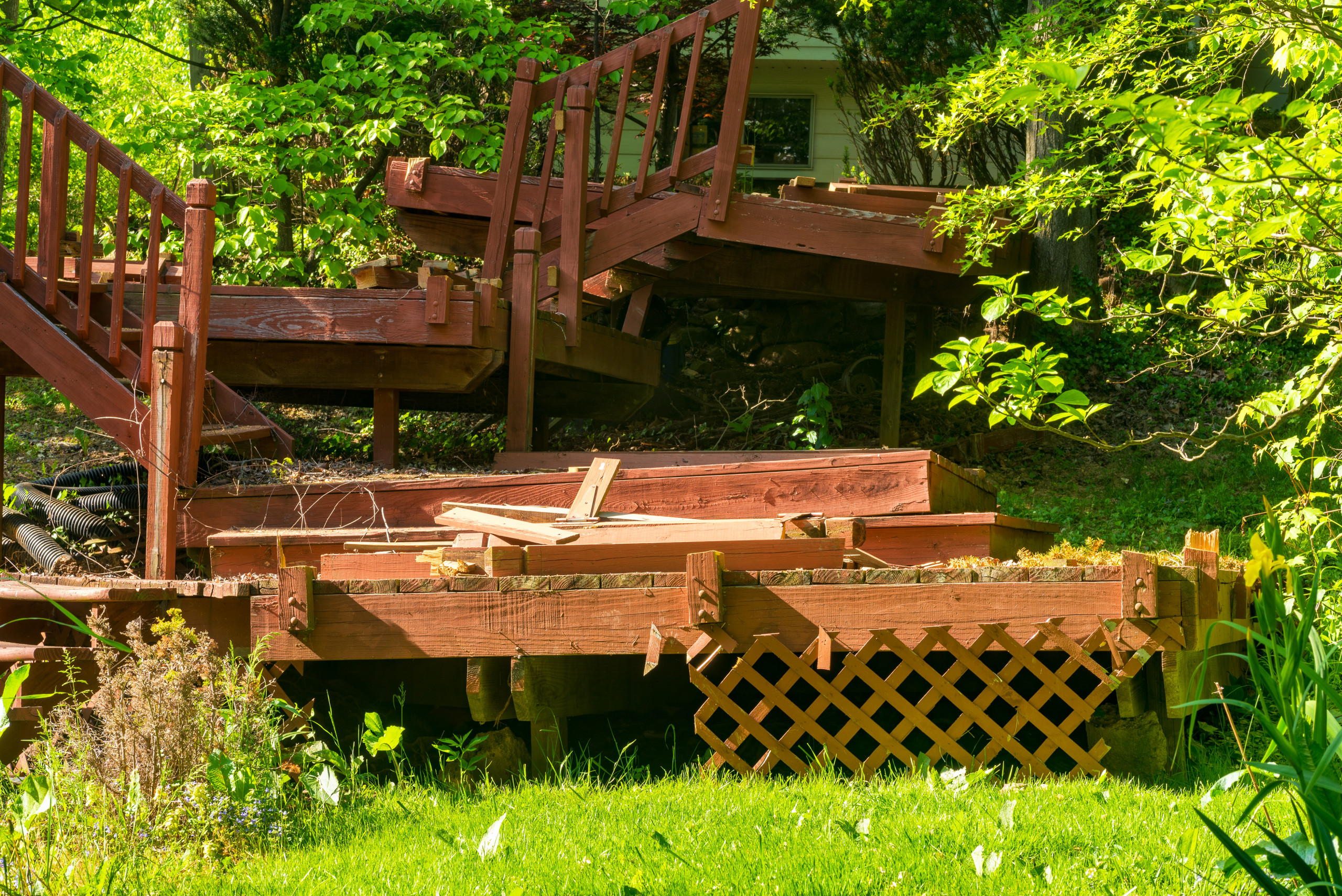
Maintenance neglect is another major culprit. Over time, environmental factors like moisture and temperature fluctuations can wreak havoc on deck materials. Without regular inspections and prompt repairs, small problems can escalate quickly. Routine tasks like checking for loose screws, sealing wooden surfaces, and clearing debris from joints are essential for extending the lifespan of your deck addition.
To prevent these problems, begin with quality construction using durable materials and follow up with consistent maintenance. Regularly examine your deck for any signs of wear or damage, and address these immediately to avoid more serious issues down the line. Preventive maintenance is often more cost-effective and less stressful than dealing with major structural failures.
In this guide, we’ve covered the essentials of creating a deck addition that not only complements your home but stands strong against the tests of time. We walked through the planning process, stressing the importance of understanding your space and accommodating zoning laws. You learned about the different materials and their long-term durability, giving you the insights needed to choose the right one for your lifestyle.
We delved into the structural components of deck construction, emphasizing the significance of solid joists, beams, and posts to support your deck reliably over the years. You now know the critical building codes that ensure safety and how foundational decisions like footing types and soil considerations impact your deck’s longevity. We’ve also equipped you with methods to overcome the common pitfalls during deck building—because even though leveling and alignment can be tricky, they are surmountable with the right approach.
Budgeting wisely is another pillar to a successful deck addition project; we showed you how to estimate costs accurately and highlighted the necessity of considering future maintenance. Understanding why decks fail arms you with the knowledge to prevent common issues and keep your deck safe and sound.
Ultimately, this guide is your starting block to designing a deck that’s a true extension of your home. With diligent planning and execution, your deck will offer you years of enjoyment, becoming a beloved part of your outdoor living space. Remember, a well-crafted deck addition is more than an investment; it’s a gateway to relaxation and connection with the great outdoors.