

by Luke Cronin
Share
by Luke Cronin
Share
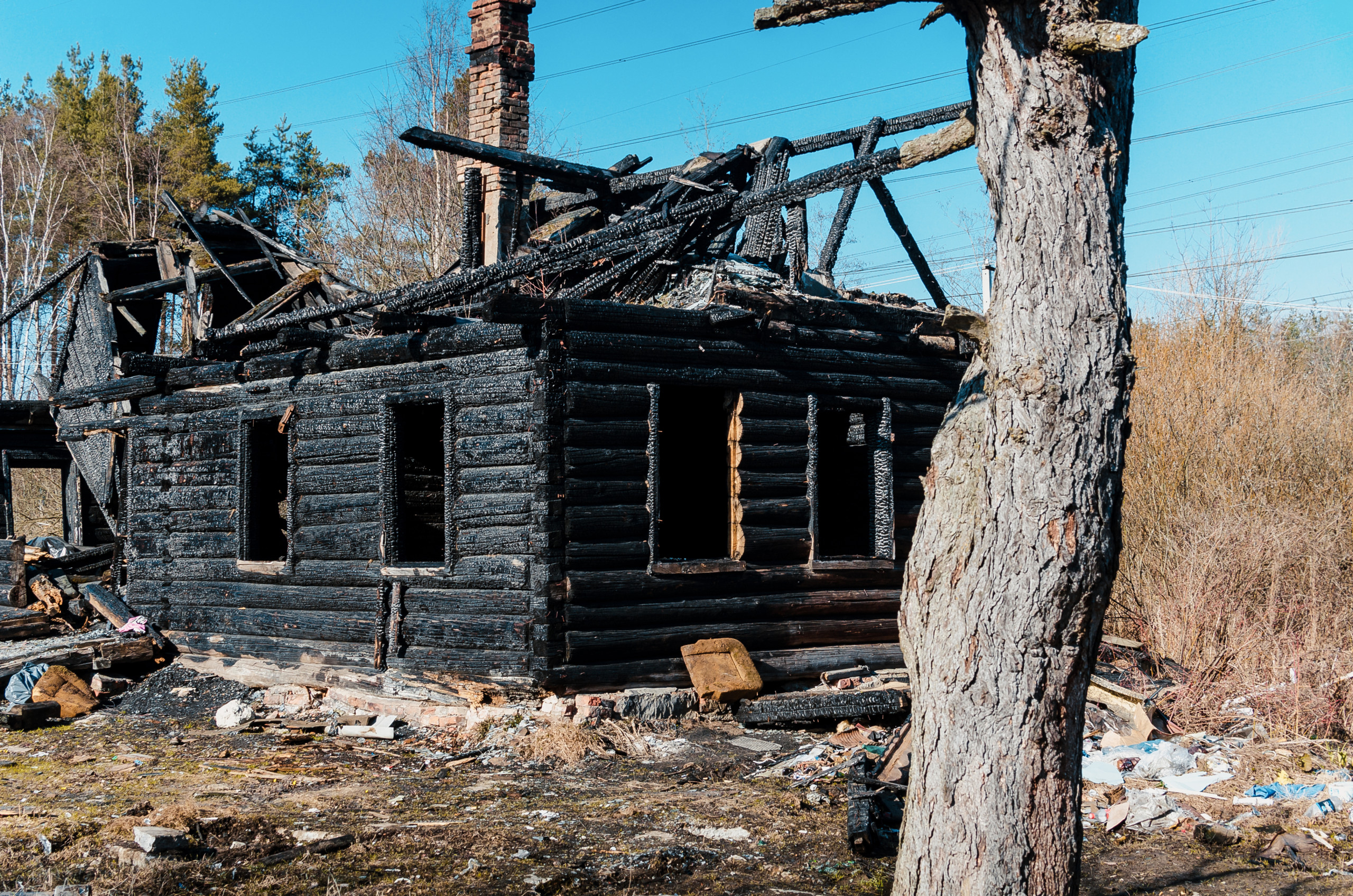
Fire can affect wood framing in different ways, from surface charring to loss of material that changes how a member performs. A forensic engineer examines the conditions at the site and identifies framing that may need repair, replacement, or further evaluation. Here is what that assessment typically involves.
How Is Fire Damage to Wood Framing Evaluated?
The assessment begins with a visual inspection of exposed framing and the surrounding construction. Engineers look at the location and extent of charring, the condition of connections, and signs that heat or firefighting efforts affected nearby materials.
- Thermal effects: Heat can change wood even where the surface is not heavily charred. An engineer looks for discoloration, cracking, and other visible changes in the context of the fire exposure and the member’s structural role. Read Wood Products: Thermal Degradation and Fire for more.
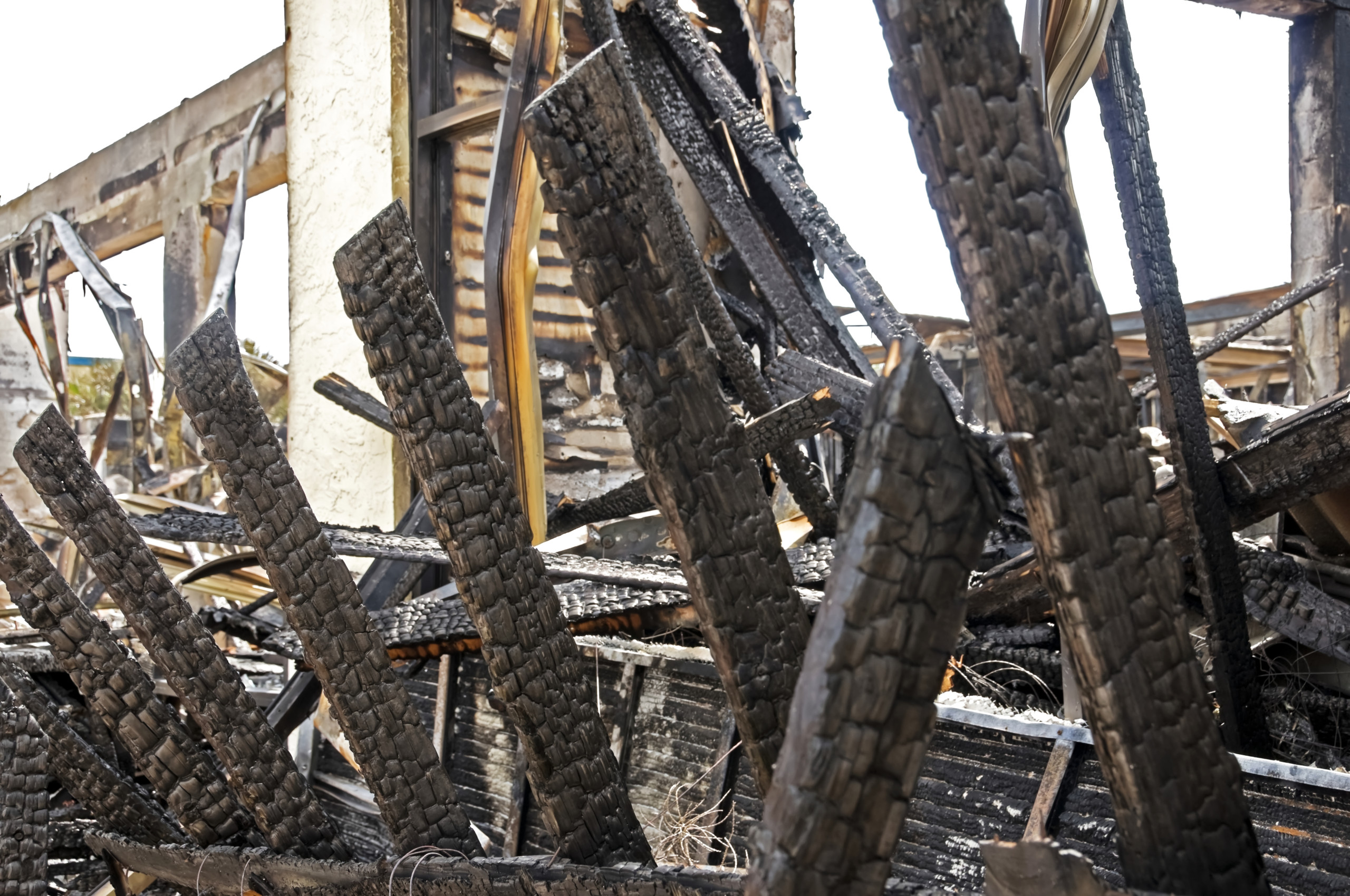
- Charring: Char indicates that some of the wood has been consumed. The engineer may scrape or dig into the char to see how far it extends and examine the wood beneath it.
- Remaining condition: The engineer visually assesses how much sound wood appears to remain, along with the member’s size, location, connections, and expected loads. Those observations inform whether the member can remain, needs repair, or should be replaced.
According to the US Forest Service’s Post-fire assessment of structural wood members, an evaluation depends on what is accessible and what the observed conditions show. Concealed framing may require additional access before an engineer can give an opinion about it.
Why Assess Structural Integrity After a Fire?
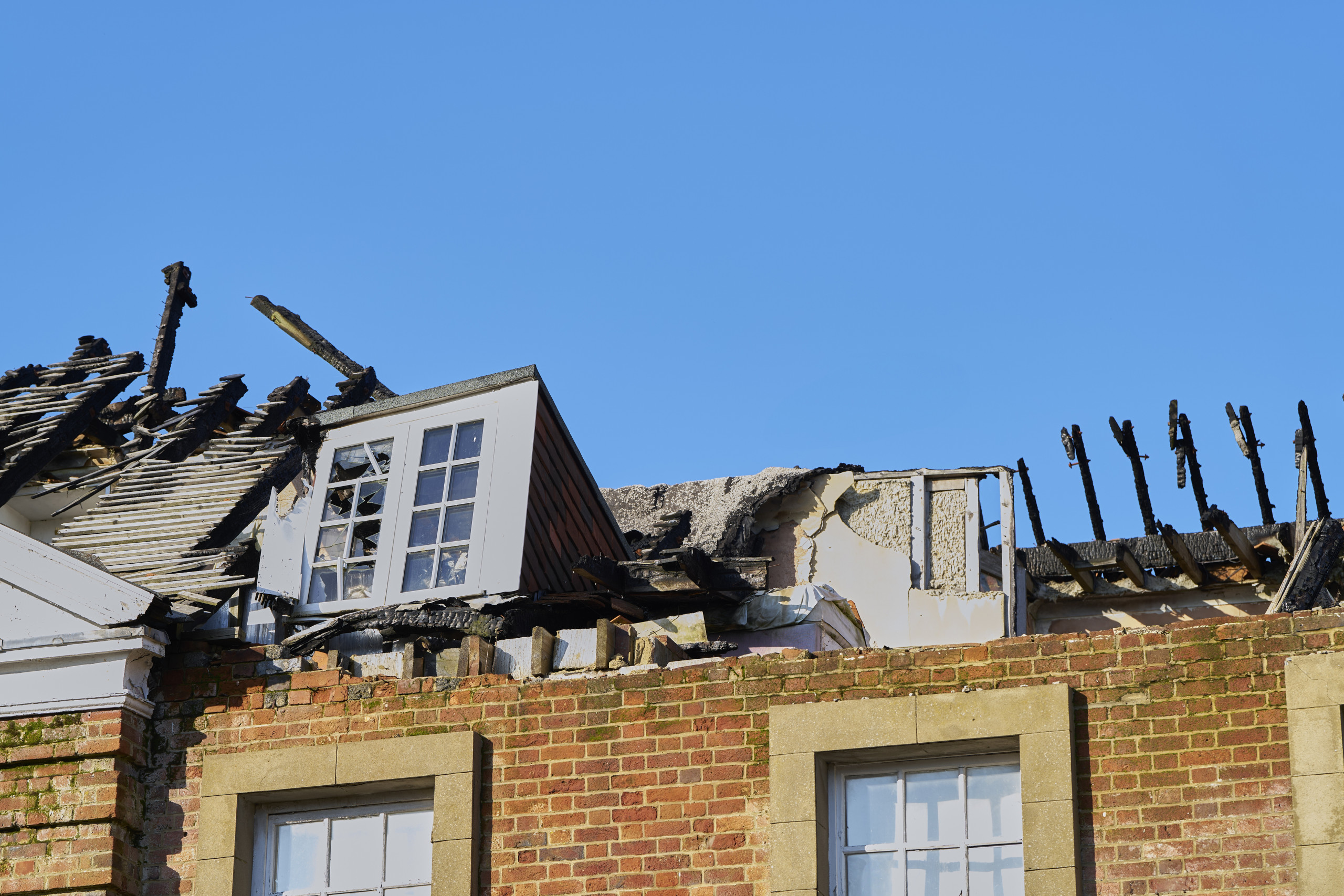
After a fire, a practical question is which parts of the structure can stay and which need work. Damage may be obvious in one area and harder to judge in another. A structural assessment helps answer that question from the conditions visible on site and identifies where more access is needed.
- Safety: An engineer considers whether affected members and connections can continue to support expected loads. If a concern is identified, the assessment can help guide temporary measures and a repair plan.
- Repair scope: Fire exposure does not mean every nearby piece of framing needs replacement. Looking at each member’s condition and structural role helps distinguish necessary work from components that can remain.
- Cost and schedule: Clear recommendations give owners and restoration contractors a basis for planning the work. If concealed areas need to be opened, identifying that need early can reduce surprises during repairs.
- Insurance and claims: A written engineering opinion records the observed conditions and explains the basis for recommended structural repairs, giving the parties a common technical record.
What About Fire Damage to Plywood and OSB?
Plywood and oriented strand board (OSB) are engineered wood panels. Their thin layers or strands and the adhesives that bind them can respond to fire differently from solid lumber.
- Plywood: Plywood is made of bonded wood veneers. During an inspection, an engineer looks for charring, separation between layers, and other signs that heat affected the panel.
- OSB: OSB is made of bonded wood strands. An engineer examines the extent of charring, loss of material, and the condition of the panel and its connections.
The assessment also considers where the panel is used. Sheathing that helps resist lateral loads, for example, has a different structural role from a panel used only as a finish substrate.
What Role Do Forensic Engineers Play?
Forensic engineers document site conditions and evaluate how the fire affected structural components. Their findings can help owners, contractors, and insurers understand which areas need repair or further investigation.
When an affected member cannot remain in service, an engineer can identify the concern and recommend repair or replacement. The specific recommendation depends on the member’s condition and role in the structure.
In insurance or legal matters, an engineer’s report can provide a record of observations, the basis for the engineer’s opinions, and a proposed structural repair scope where appropriate.
FAQs About Fire Damage to Wood Framing
How do engineers determine whether wood framing can remain after a fire?
They visually inspect the framing, assess charring and the condition of the wood beneath it, and consider the member’s structural role. They may recommend exposing concealed areas or further evaluation if the visible conditions are insufficient.
Can fire-damaged framing be repaired?
Sometimes. Depending on the damage and the member’s role, an engineer may recommend a repair or replacement. The appropriate approach is determined from the conditions at the site.
Can I assess structural fire damage myself?
You can document what you see, but a qualified structural engineer should evaluate whether damaged framing can remain in service and what repairs are needed. Fire Damage: What a Forensic Structural Engineer Looks For provides a broad overview of what to expect when working with a professional.
Does fire affect other building materials differently?
Yes. Steel, concrete, plastics, and engineered wood products respond differently to heat. Their observed conditions can help an engineer understand the exposure in a particular area, but each material needs to be assessed in context.
If you need an assessment of fire-damaged framing, contact the team at Cronin Engineering and Inspection. We can discuss the conditions you are seeing and the next steps for an inspection.