

by Luke Cronin
Share
by Luke Cronin
Share

Planning a basement remodel can be a big project. Whether you’re looking to add extra living space, improve the safety of your home, or boost its value, getting it right is crucial. This guide will provide you with essential tips to make your basement remodel not only beautiful but also safe and strong.
Introduction
Remodeling a basement isn’t just about adding square footage to your home; it’s about creating a safe, functional space that contributes to the overall integrity and value of your property. A well-executed basement remodel can transform an underutilized area into a vibrant extension of your living space. But before you dive into design ideas and flooring options, understanding the foundational steps is crucial. Knowing what to look out for and how to address common basement challenges can mean the difference between a smooth renovation and a costly headache. Key considerations like moisture control, structural assessments, and smart design choices ensure your basement is not only beautiful but rock-solid. Dive in with a clear plan, and you’ll be halfway to a successful remodel.
Prep Work: What to Consider When Remodeling a Basement
Before you dive into remodeling your basement, consider a few key aspects to ensure a successful project. Here’s a handy guide to help you get started:
Identify Your Needs
- Purpose: Determine what you need from your basement. Will it be a new home office, a playroom for the kids, or that much-anticipated home theater?
- Goals: Clarifying your goals upfront will guide the entire remodeling process.
Assess the Existing Space
- Potential Issues: Basements can have unique challenges such as moisture problems, low ceilings, and perhaps an errant creepy-crawly or two.
- Surprises: Identifying these issues early helps prevent unwanted surprises during the renovation.
Plan Your Budget & Scope
- Financial Reality: Be realistic about what you can achieve with your funds.
- Budget Cushion: Include a cushion for unexpected expenses. Remodeling projects often exceed initial estimates in both cost and time.
- Permits and Professionals: If planning a major renovation requiring permits and professionals, ensure your budget accounts for these added costs.
Laying the Groundwork
Early preparation is essential for any renovation. By establishing clear goals, objectively assessing your space, and setting a flexible yet firm budget, you’ll lay a solid foundation before the actual work begins.
Foundation Inspections: The Cornerstone of Your Remodel
Before you dive into framing and drywall, let’s talk about foundations. It’s an inspection that can’t be skipped. Imagine building a house of cards on a wobbly table—whatever you do next won’t matter if the base isn’t solid. A foundation inspection sets the stage, identifying structural nightmares before they unfold.

Why Focus on Foundations?
- Foundation Stability: Think of a foundation inspection as a prerequisite for any successful remodel. It ensures you’re building on stable ground.
- Preventative Insight: Catch potential issues before they escalate, saving time and money.
Red Flags to Watch For
- Horizontal Cracks: May indicate serious structural problems.
- Uneven Floors: Can be a sign of a settling foundation.
- Sticking Doors: Suggests misalignment due to foundation shifts.
These problems might stem from shifting soil and are more cost-effective to address early on.
Professional Help is Essential
- Expertise Over DIY: A foundation inspection isn’t a DIY affair. Professionals distinguish between superficial cracks and critical issues.
- Investment in Quality: Hiring a seasoned structural engineer is an investment that pays for itself. Correcting a foundation post-remodel is costly and complicated.
When planning your basement haven, remember: a sturdy foundation is your best friend.
The Role of a Structural Engineer
Alright, let’s talk about structural engineers. They’re crucial to your basement remodel, ensuring everything stands up straight and stays that way. But what do they actually do? Essentially, structural engineers analyze and design the bones of your remodel. They assess load-bearing walls, identify weak points, and make sure any changes won’t compromise your home’s integrity. So, if you’re planning to knock down walls or add new spaces, an engineer’s expertise is key to avoiding costly mistakes.
Now, when it comes to checking a foundation, these pros have a checklist. They start with a visual inspection, looking for cracks, uneven surfaces, or any signs of settling. Tools like laser levels and moisture meters come into play to dig deeper into any potential issues. Their goal? To ensure whatever you’re building in your basement is rock solid, quite literally.
So, why hire a structural engineer? Beyond peace of mind, they help you navigate local building codes and ensure your plans are up to snuff. A small investment upfront can save heaps of hassle down the line, preventing structural headaches and ensuring your remodel is both safe and smart. In other words, they future-proof your basement, letting you enjoy your new space without a worry in the world.
Basement Renovations: Getting Started
Once you’ve inspected the foundation and enlisted a structural engineer, it’s time to roll up your sleeves and get going on the main event: the renovation itself. But where should you begin? It’s all about sequence here, so let’s break it down.
Start by addressing any structural repairs and completing those crucial foundation checks. This groundwork ensures you’re not covering up potential issues that could bite you later. Once you’re confident the bones of your basement are in proper order, shift focus to the essentials like plumbing and electrical systems. You don’t want to be tearing down freshly painted walls to fix a rogue wire or leaky pipe.
Next up is insulation. Proper insulation will keep your basement comfortable year-round and help reduce energy bills. Make sure to choose materials that resist moisture to prevent future headaches.
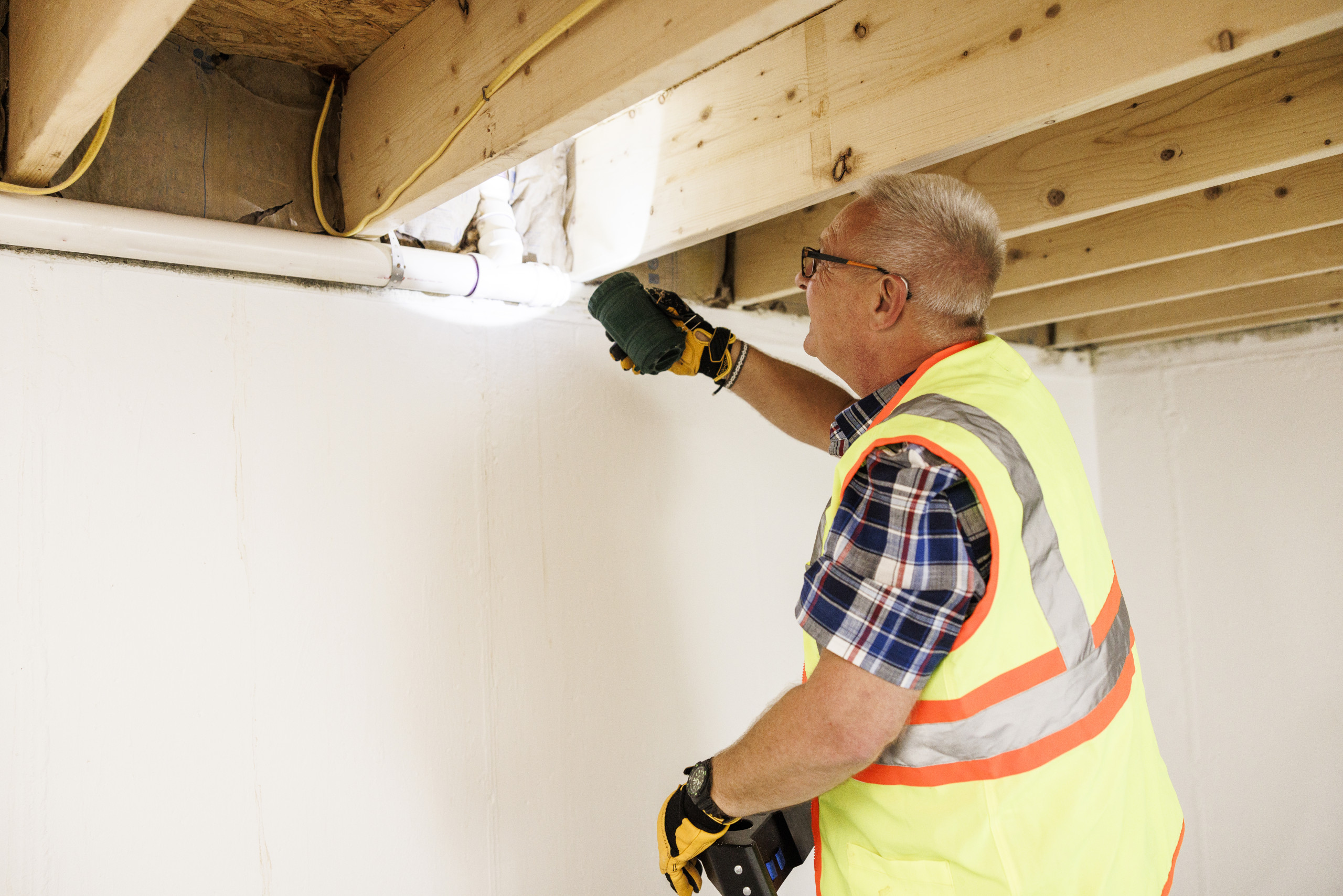
With the skeleton and systems all set, it’s time for framing and drywall. This is where your space takes shape, and you can see your vision coming together. Once the walls are up, it’s finally time to splash on paint and lay down that flooring you’ve been eyeing.
Finish off with those decorative details that add personality and comfort to the space—think lighting fixtures, trim, and any special touches like built-in shelves or a cozy nook. By following this order, you ensure your basement remodel is as smooth and efficient as possible, without unnecessary backtracking or complications.
Tips for a Successful Basement Remodel
Transforming your basement into a functional space is more than just aesthetics. Here’s how to get it right from the outset.
- Opt for Moisture-Resistant Materials: Basements are notorious for dampness. Incorporate moisture-resistant drywall, paints, and flooring materials to combat common issues. Think vinyl planks or ceramic tiles for flooring – they look great and effectively repel water.
- Maximize Natural Light: Nobody likes a dark, dreary basement. Leverage any existing window space by choosing light-reflective paint colors and adding mirrors. Consider investing in egress windows not only for sunlight but also to meet safety standards.
- Plan for Ventilation: Fresh air makes a huge difference. Install an HVAC system or dehumidifiers to keep air circulation optimal and mitigate the musty odor basements often harbor.
- Focus on Storage Solutions: Basements often double as storage spaces. Use multi-functional furniture and wall-mounted shelves to keep the area organized and clutter-free.
- Prioritize Emergency Exits: Beyond natural light, an egress window serves as a critical emergency exit. It’s not just practical; it’s often a code requirement for any habitable basement space.
- Soundproofing for Peace: If your basement remodel includes an entertainment area or home office, soundproofing is key. Insulate ceilings and walls with sound-dampening materials to maintain peace in the upper levels of your home.
- Enhance Comfort with Zoning: Consider dividing the space into zones – a lounge area, a playroom, an office. Use area rugs or partition walls to create distinct areas, making the basement feel cozy and organized.
For more tips, check out The Ultimate Guide to Home Renovations: Transforming Your Space with Expert Tips, packed with additional insights to aid your journey. Remember, the goal is not just to renovate but to create a basement that adds true value and comfort to your home.
Engaging Home Remodel Contractors
Finding the right contractor is like choosing a new teammate for your remodeling project—get it right, and you’ll have a smooth ride. Start by casting a net close to home; a search for “basement renovations near me” can unveil a list of local pros with firsthand knowledge of the area’s quirks and building codes. These contractors are usually dialed into the specifics of local weather, which is a plus when dealing with basements that can be temperamental.
Don’t settle at the first promising prospect. Dive into credentials to ensure they’re licensed and insured—basic but critical steps that protect you from nasty surprises down the line. Spend some time scouring reviews; real-life feedback can shed light on a contractor’s reliability and quality of work. A contractor with a full book of positive reviews is typically a safer bet than one flying under the radar.
Once you’ve shortlisted potential partners, schedule a few consultations. This isn’t just about discussing blueprints and budgets—it’s also chemistry. You want someone who listens and gets your vision, not just someone eager to close the deal. A good contractor will walk you through their process, provide a realistic timeline, and be upfront about potential challenges. If they’re dodgy on any of these, walk away.
Always read the fine print of your contract. It should clearly spell out the scope of work, materials to be used, timelines, payment schedules, and what happens if things go off-course. This protects both sides and keeps surprises at bay. Remember, a strong, transparent partnership with your contractor is key to a successful remodel. You’re not just buying a service; you’re investing in peace of mind.
Special Considerations: Unique Challenges in Basement Construction
When you’re deep in the trenches—literally and figuratively—of a basement remodel, certain challenges rear their stubborn heads more than others. The basement isn’t just the underground of your house; it’s its own ecosystem with rules worth noting.
Humidity tops the list of headaches. Basements are notorious for being damp, which isn’t just uncomfortable—it’s a breeding ground for mold. Drainage is your first line of defense here. Installing or upgrading a drainage system can keep that pesky moisture away. Even a simple sump pump can be a lifesaver and considerably reduce the risk of flooding.
Speaking of mold, always choose materials with resistance in mind. Consider sealants and waterproof paints as your go-to allies. They might not win beauty contests, but they’ll keep your space dry and safe.
Next up is egress—the vital escape routes in case of emergencies. Many older basements were designed before egress codes became a thing. When you remodel, make sure you add windows or doors that can serve as exits, not just for safety but also for meeting local building codes.
Finally, think about insulation. Basements can lose heat surprisingly fast, and you don’t want to feel like you’re living in a cave. Install proper insulation to keep everything comfy and energy-efficient.
Address these quirks early on and you’ll turn your basement into a space that’s not only livable but enjoyable.
Practical Steps for DIY Enthusiasts
Transforming your basement doesn’t require you to be a home renovation mogul. With the right approach, some tasks can be tackled by handy DIY enthusiasts. Here are a few practical steps to get you started, while ensuring you know when to skip the DIY route.
Paint Like a Pro
Once the structural and foundational work is complete, adding a fresh coat of paint is a straightforward way to breathe life into your basement. Choose moisture-resistant paints that are designed to withstand the humid conditions often found in below-grade spaces. Make sure to prep your walls – clean them thoroughly and apply a primer to get the best result.
Install Vinyl Flooring
Vinyl flooring is a durable, attractive option that’s relatively easy for DIYers. It’s water-resistant, making it ideal for basements. Snap-together vinyl planks are widely available and simple to install with just a utility knife and a rubber mallet.
DIY Drywall Patching
If your renovation reveals small dings or imperfections in the drywall, don’t panic. Basic drywall patching is a task most DIYers can handle. Use joint compound, a putty knife, and some sandpaper to get a smooth finish. For larger areas, it might be wiser to consult a pro to avoid uneven surfaces.
Build Simple Storage Solutions
Creating custom storage units like shelving or cabinets using plywood can be a satisfying weekend project. Just ensure you’re working with treated wood to prevent any moisture issues, and use a level to keep things straight.
When to Call in the Pros
While it’s tempting to take on as much as possible yourself – and YouTube makes everything look doable – know your limits. Jobs involving electricity, plumbing, or significant structural work should be left to professionals. Safety first, and bad wiring decisions aren’t just inconvenient—they’re dangerous. Bringing in experts for these aspects doesn’t just ensure safety; it protects your investment by preventing costly mistakes.
In the realm of DIY, play to your strengths, stay safe, and don’t hesitate to call in the cavalry when necessary. When it comes to creating a basement that’s both safe and beautiful, it’s all about balancing your enthusiasm with expertise.
Conclusion
Remodeling your basement is no small feat, but tackling it with a clear plan and the right mindset can make all the difference. Start by understanding the full scope of your needs and prioritizing tasks that bolster safety and durability. Remember, foundation inspections and collaborating with structural engineers aren’t just best practices—they’re essential steps to prevent future headaches.
As you move forward, tackle renovations in the right order: handle the structural and foundational work before diving into plumbing, electrical, and insulation. Finishing touches like painting and flooring might be the fun part, but don’t rush into them too soon. And don’t forget about engaging professionals where needed—they bring expertise that can save you time and hassle in the long run.
Whether you’re hiring local contractors or trying your hand at some DIY projects, always keep safety and quality at the forefront of your decisions. For further guidance, reliable external resources such as 12 Basement Remodeling Tips According To Industry Experts offer a wealth of information to help ensure your remodel goes smoothly.
Keeping these pointers in mind will help ensure your basement becomes a safe, strong, and valuable part of your home—one that you can enjoy for years to come.