

by Luke Cronin
Share
by Luke Cronin
Share
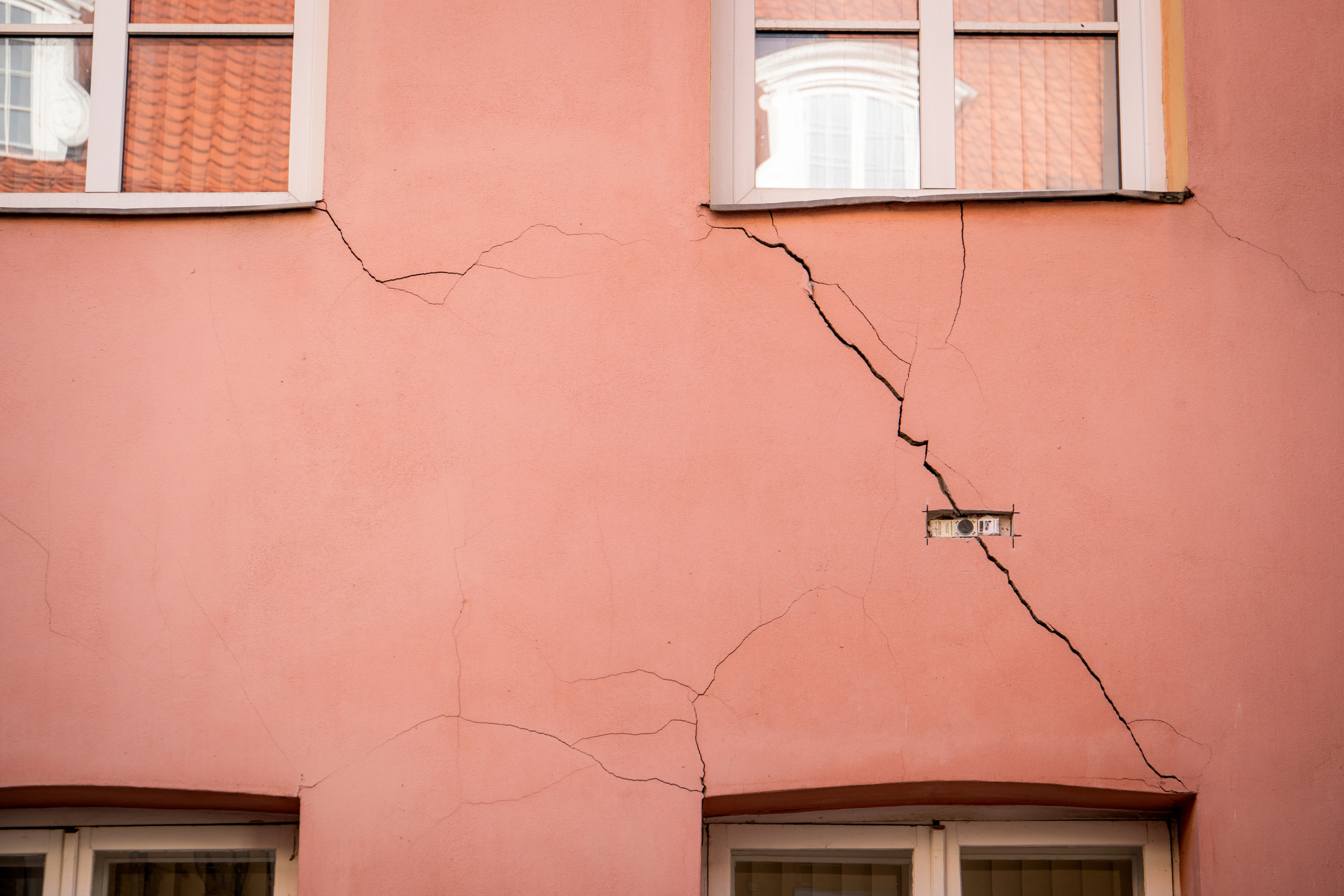
Unraveling the complexities of construction can be challenging, especially when distinguishing between a construction defect and normal settlement. As experienced builders and engineers know, preventing and addressing these issues requires a keen eye and a wealth of expertise. Now, let’s dive deeper into understanding these two concepts and their implications.
What Are the Four Types of Construction Defects?
Understanding construction defects starts with identifying their types:
1. Design Deficiencies
- Definition: Errors or omissions in the building’s design plans made by architects or engineers.
- Examples:
-
- Components failing to meet necessary code requirements.
- Insufficient structural support leading to risks in the future.
2. Material Defects
- Definition: The use of subpar or unsuitable materials during construction.
- Examples:
-
- Concrete that lacks necessary strength.
- Roofing material that deteriorates prematurely.
3. Workmanship Issues
- Definition: Defects arising from poor work practices during construction.
- Examples:
-
- Poorly executed installations.
- Incorrect mortar mixes.
- Improperly laid foundations resulting in misalignments or leaks.
4. Operational Defects
- Definition: Also known as maintenance defects, these occur due to improper maintenance or operation post-construction.
- Examples:
-
- Skipping essential maintenance schedules.
- Misusing building systems that lead to preventable damage.
Importance of Identifying Construction Defects
- These categories help builders and forensic construction experts pinpoint and remedy issues.
- A solid understanding of these defects aids builders, owners, and inspectors to focus on problem areas throughout the construction process, from initial design to ongoing maintenance.
How Do You Identify Construction Defects?
Spotting a construction defect isn’t always straightforward. It requires careful analysis and often the insight of a forensic engineer. Here are some indicators:
- Visible structural anomalies like cracked walls.
- Persistent water leakage or building envelope failures.
- Unusual settling beyond normal expectations.
Each of these signs might hint at underlying issues that aren’t immediately visible to the untrained eye. For example, a crack in the wall could be cosmetic or indicative of a deeper structural problem. Similarly, continuous water leaks may reveal a compromised barrier that’s failing to protect the building’s interior from moisture.
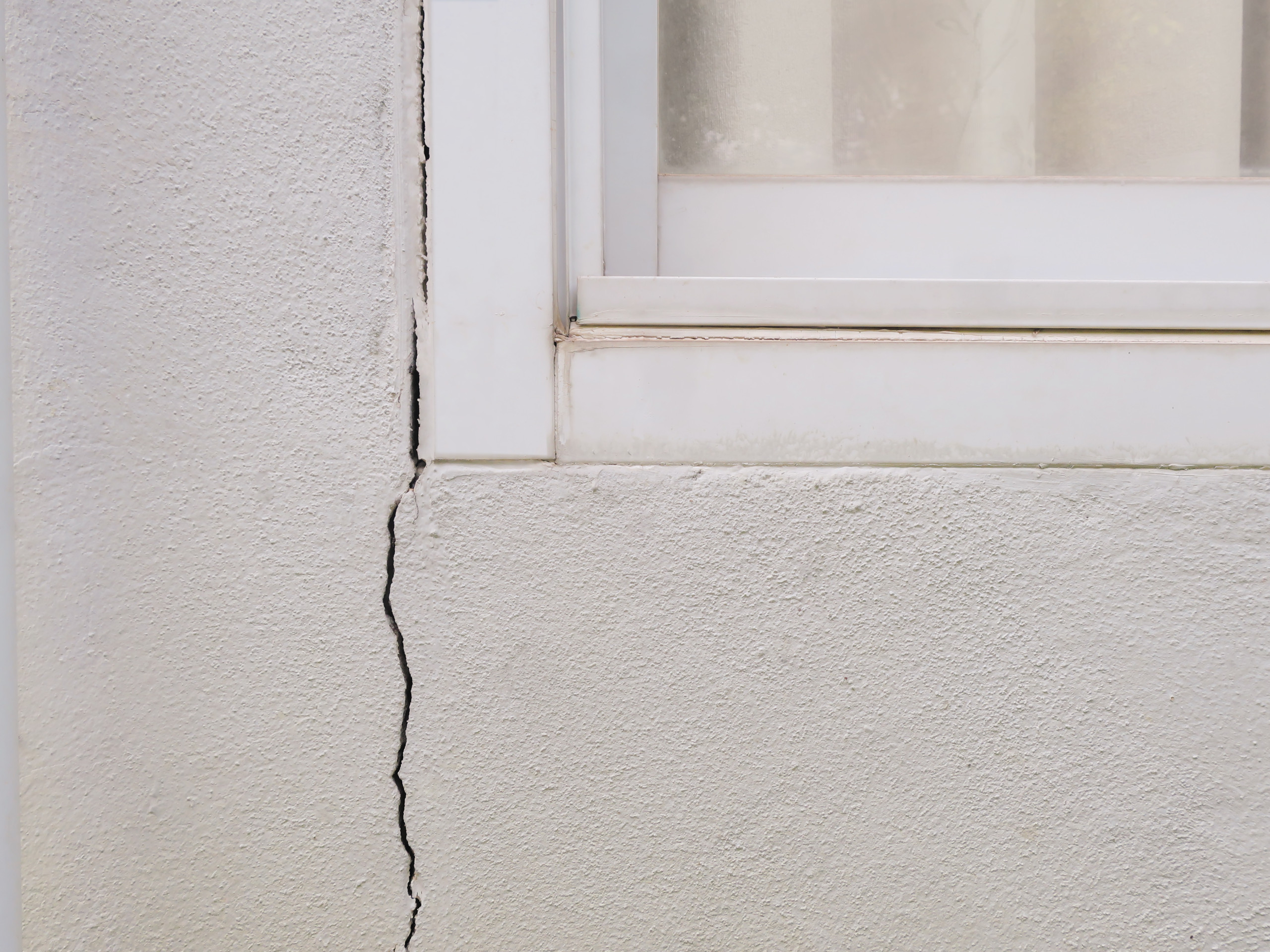
In these scenarios, it doesn’t suffice to apply a quick patch or cosmetic fix. Understanding these symptoms may call for an in-depth investigation by a forensic construction expert. They combine field knowledge with investigative prowess, utilizing tools like moisture meters, scanners, and sometimes even drones to get a thorough grasp of the situation.
This expert assessment helps differentiate between superficial quirks and legitimate defects that could escalate if left untreated. Their insights are critical for deciding whether corrective measures need simple adjustments or something more significant, such as underpinning for foundational issues. So, when in doubt, don’t rely on guesswork, call in the experts.
How Is Foundation Settlement Different?
Foundation settlement is typically par for the course in a building’s life. The trick lies in telling apart the harmless from the hazardous. Normally, settlement is gradual; a building makes minor shifts as its weight compresses the ground beneath. You might see small cracks, often cosmetic, with no harm to the overall structure.
However, not all shifts are created equal. Defective settlement happens fast or unevenly, sometimes hinting at larger woes like soil issues or construction blunders. Be wary if doors jam or if a crack grows wider over days instead of years. These are red flags waving for a more thorough lookout.
Enter the forensic engineering experts. They help sort the wheat from the chaff, identifying what’s part of the natural course and what might need urgent fixing. Knowing the difference is key, saving money and headaches down the road.
Why Are Structural Engineers Important?
Structural engineers are the backbone of any construction project, ensuring safety and stability from the ground up. Their expertise is crucial in:
- Identifying potential building failures: Good engineers know what to look for. They can spot the signs of strain or defect that, if ignored, could lead to bigger catastrophes.
- Advising on remedial measures for material and structural degradation: Engineers propose fixes and improvements, acting as the corrective maintenance gurus of the construction world, ensuring structures don’t just stand, they endure.
- Offering insights that prevent costly construction defect insurance claims: Prevention is their mantra. By catching issues early, they help avoid hefty payouts and headaches down the line.
The role of structural engineers is indispensable, as they make sure structures comply with safety standards and help sidestep potential legal mazes. Without them, the chances of ending up in a courtroom rather than completing a stable project increase substantially.
What Role Do Forensic Construction Experts Play?
Forensic construction experts are like the detectives of the construction world, sorting through the chaos to find clarity. When disputes arise over construction defects, their analysis becomes pivotal:
- Analyzing and Identifying Origins: They thoroughly examine defective components to trace back origins and pinpoint responsibility. This step is crucial because identifying where it all began can save time and help allocate liability properly.
- Litigation Support: Their detailed findings often form the backbone of their involvement in construction defect litigation and forensic engineering. Attorneys rely on their technical assessments to present clear, factual arguments in court, tipping the scales in heavily contested cases.
- Resolution of Disputes: They serve as crucial intermediaries in technical arguments, breaking down complex engineering concepts into understandable insights. Their unbiased evaluations can lead to fair settlements and resolutions that save all parties involved from protracted legal battles.
In short, forensic construction experts play a vital role in navigating the murky waters of construction disputes, providing invaluable insights that lead to equitable solutions.
Can Material and Structural Degradation Be Prevented?
Prevention plays a crucial role in safeguarding against material and structural degradation. The key lies in robust design and stringent quality control.
Key Practices for Prevention
- Using High-Grade, Tested Materials
-
- Ensure materials meet industry standards to lower the risk of premature degradation.
- Verify supplier reliability and material specifications before usage.
- Frequent Inspections During Construction Phases
-
- Conduct regular checks to catch potential issues early on.
- Employ experienced personnel to perform walkthroughs, which are essential for spotting errors before they become embedded in the structure.
- Employing Skilled Labor Adhering to Industry Standards
-
- Quality workmanship is critical in construction work.
- Engage workers trained in best practices to ensure tasks are executed with precision, reducing the likelihood of construction defects.
Importance of Vigilance
Maintaining vigilance in these areas can mitigate future issues that might evolve into material degradations and failures. The focus should be on building right the first time, avoiding shortcuts, and ensuring every component of the construction process aligns with established standards.
What Does Construction Defect Insurance Cover?
Construction defect insurance serves as a critical safeguard, providing financial protection and peace of mind in a landscape fraught with potential pitfalls. This type of insurance typically covers:
- Costs related to defect rectification: When defects are identified, the expenses for necessary repairs can be substantial. Insurance steps in to manage these costs, ensuring that construction projects are completed without undue financial strain.
- Protection against legal liabilities: Construction defects can lead to structural failures resulting in potential lawsuits. Insurance offers coverage for legal costs, shielding stakeholders from crippling financial repercussions associated with litigation.
- Contractual obligations: Often, construction contracts demand defect insurance as a requisite. It acts as a hedge against unforeseen corrective expenses and reassures all parties involved in a project that financial risks are mitigated.
By understanding the nuances of these policies, builders and developers can manage risks effectively, ensuring that unexpected issues don’t derail their projects or finances.
How Can You Address Building Failures?
Addressing building failures requires prompt, informed actions:
- Engage a reliable forensic expert to assess the damage.
- Implement recommended repairs quickly to prevent further degradation.
- Document all findings for record-keeping and potential insurance claims.
Timely intervention can not only halt further damage but also preserve property value.
FAQs
What’s a Construction Defect?
A construction defect is any flaw or deficiency that impairs a building’s use, safety, or value. These defects often fall into categories such as:
- Design
- Materials
- Workmanship
How Can I Tell if My Home Has a Defect or Needs a Settlement?
Watch for unusual changes like:
- Cracks
- Leaks
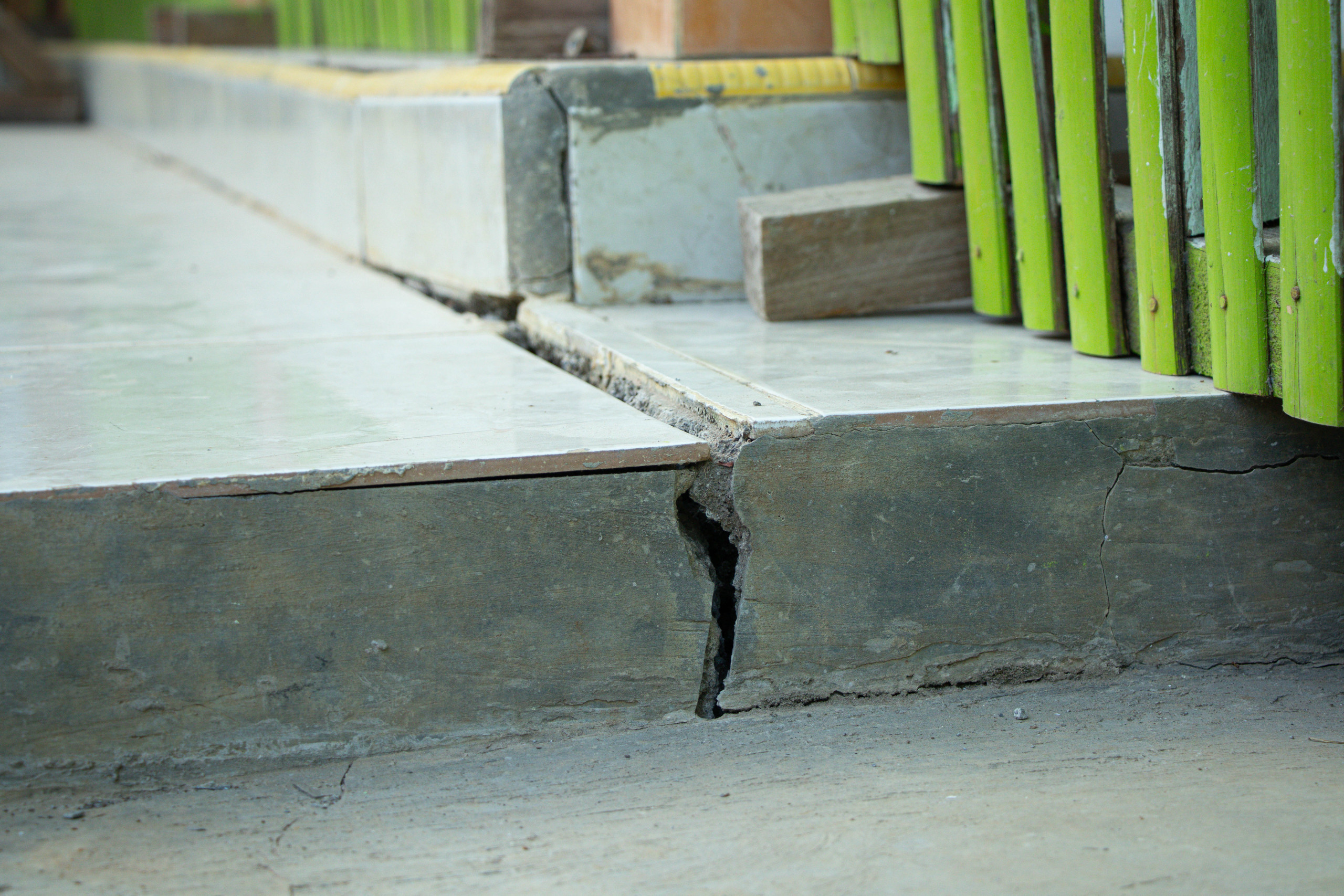
A sudden onset might suggest defects, while gradual changes could be normal settlement. It’s advisable to consult a professional for accurate assessment.
Why is Forensic Engineering Important in Construction Disputes?
Forensic engineers are essential as they:
- Provide expert analysis
- Identify fault lines
Their insights are critical in litigation processes, helping to resolve disputes effectively.
How Do You Prevent Construction Defects?
To prevent defects, prioritize quality by:
- Hiring skilled workers
- Using superior materials
- Adhering to engineering best practices
What’s the Difference Between Defects and Degradation?
- Defects: Arise from construction errors.
- Degradation: Involves wear over time due to environmental factors or use.
Additional Resources
Understanding the subtleties of construction defects and normal settlement ensures you’re prepared in the face of construction challenges. Consulting a forensic expert isn’t just smart, it’s often essential in safeguarding your investment.
- See What Does a Forensic Structural Engineer Do? for further reading on forensic engineering roles.
- Check out What’s the Difference Between Construction Defects and Resulting Damage from Construction Defects? for external insights.