

by Luke Cronin
Share
by Luke Cronin
Share
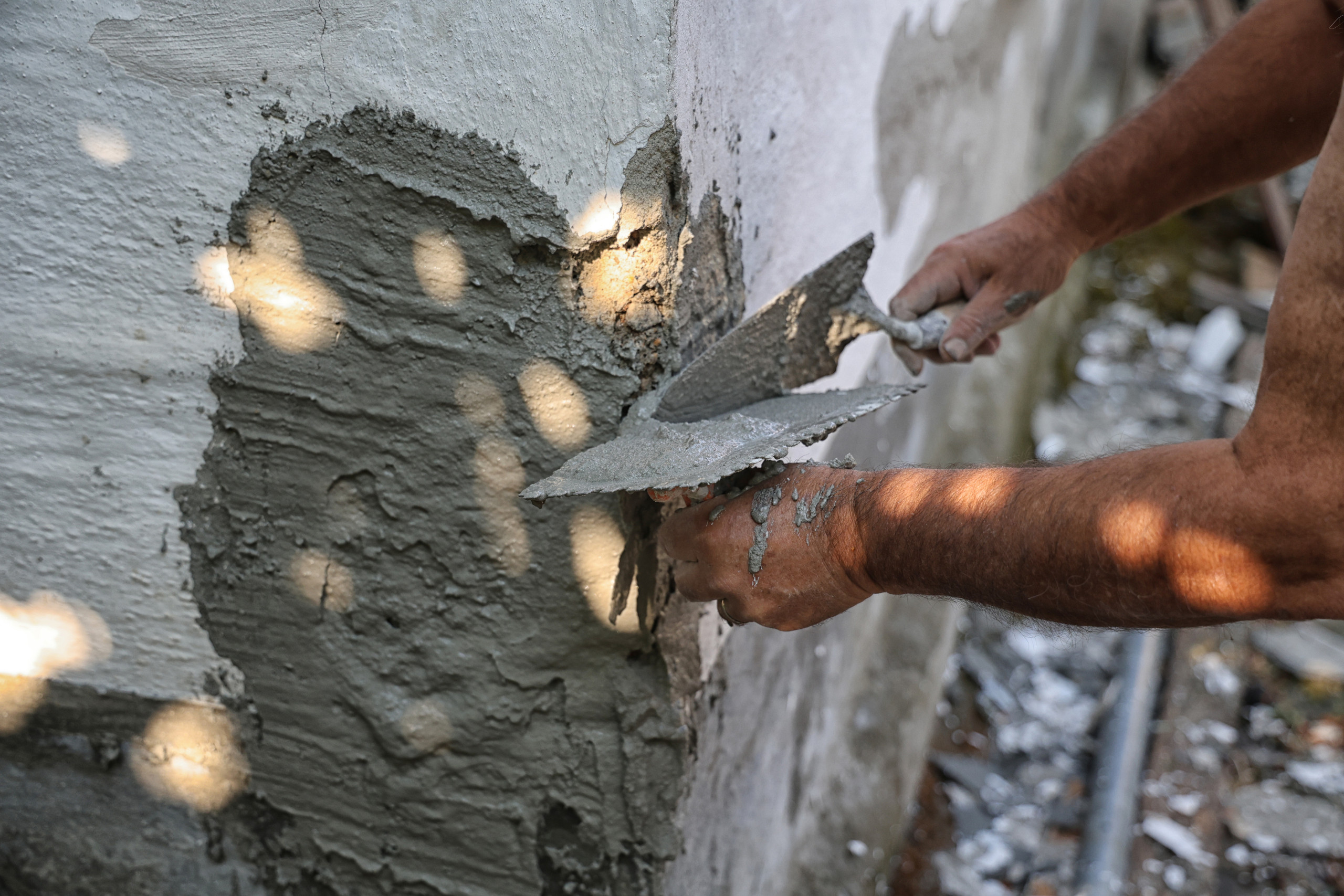
Navigating the world of Colorado Foundation Repairs can sometimes lead to unexpected structural issues. This guide will help you grasp key insights and equip you with the knowledge needed to manage foundation repair challenges effectively.
Why Might Colorado Foundation Repairs Cause New Issues?
In the world of foundation repair, sometimes fixing one problem can unveil another. In Colorado, uniquely challenging conditions can turn well-intentioned repairs into headaches. Here are some reasons why:
Foundation Shift
- Stabilization vs. Shift: While repairs aim to stabilize, they can inadvertently cause the foundation to shift.
- Uneven Pressure: Adjustments to one part of the structure can put uneven pressure on another, leading to new settlement issues.
- Unintended Consequences: It’s like playing a game of whack-a-mole, where you fix one spot, and another pops up.
Impact of Local Soil
- Soil Volatility: Colorado’s soil is infamous for its volatility, particularly its expansive quality.
- Moisture Sensitivity: Repairs don’t change the fact that the ground itself can swell and contract with changes in moisture levels.
- Unpredictable Effects: You stabilize the structure today, but next month’s rain could lead to new troubles.
Procedure Problems
- Method Quality: Not all repair methods are created equal.
- Shoddy Workmanship: Inadequate techniques or shortcuts can amplify existing problems.
- Getting it Right: It’s crucial to ensure repairs are done right the first time, or you might find yourself back at square one, or worse.
What Can Structural Engineers Do for Colorado Foundation Repairs?
Structural engineers bring essential expertise to Colorado foundation repairs, ensuring that any fixes align with the building’s needs and the unique challenges posed by Colorado’s environment. They start by conducting a comprehensive assessment of the foundation to identify the root causes of any issues. This isn’t just about checking for visible cracks or tilts; it’s about understanding the underlying forces at play, including soil composition and hydrology.
Once they’ve got a handle on what’s happening, structural engineers move on to designing targeted solutions. This might mean reinforcing the existing foundation, recommending specific types of piers, or suggesting alterations to the drainage around your property. Their designs consider everything from soil movement to material resilience, all tailored to your home’s specific problems.
And they don’t just hand you a plan and walk away. Structural engineers oversee the execution of these repairs. This oversight is crucial. It ensures that the repair techniques are applied correctly and that any changes or unexpected findings during the repair process are managed appropriately. This ongoing involvement helps prevent new problems from cropping up due to substandard workmanship or oversights. In short, they’re the guardians of your home’s structural integrity.
How Can I Stop a Structure from Sinking on Loose Fill?
Stopping a structure from sinking on loose fill demands a practical approach, beginning with understanding the unique challenges at hand. Loose fill can shift or settle over time, compromising the stability of your building. Here’s how to combat this issue effectively:
- Foundation Design: Start by engaging with a foundation design engineer. Their expertise is crucial in creating a tailored plan that considers your specific soil and structural conditions. They can recommend solutions like deep footings or slab construction that better distribute weight and cope with shifting fill.

- Recompaction Techniques: Implementing proper recompaction techniques can significantly stabilize the base. Methods like vibro-compaction or dynamic compaction densify the fill material, reducing voids and increasing load-bearing capacity. It’s essential to use equipment and techniques suitable for the specific type of fill you’re dealing with.
- Regular Monitoring: Post-repair, regular monitoring is key. Keep a vigilant eye on any signs of further movement, such as new cracks or doors that begin sticking. Engage professionals for periodic evaluations to catch and address problems early, preventing minor shifts from becoming major headaches.
What are Common House Settling Solutions Provided by Engineers?
When dealing with house settling, structural engineers have a few tried-and-true methods up their sleeves. Here are some strategies they typically recommend:
- Structural Repair Design: Engineers often start with a thorough assessment to craft a repair design that addresses specific settling issues. Each home is unique, and the remedy should be too. This bespoke approach ensures that all the variables, from soil type to home structure, are taken into account for optimal stability.
- Pier Support Systems: One of the most effective strategies to combat settling is installing pier systems. These piers act like underground stilts, extending down to stable soil or bedrock, which helps lift and stabilize the foundation. Think of it as giving your home a solid pair of crutches to lean on in unstable terrain.
- Regular Inspection: House settling doesn’t stop with one repair; it requires vigilant upkeep. Routine inspections by engineers help identify new or recurring issues early on. Catching problems at the start not only saves money but also prevents more serious structural damage down the line.
By focusing on these solutions, engineers help ensure that your home remains sturdy and level, even in the face of challenging conditions like those found in Colorado.
Are Home Foundation Repairs Worth It?
The pros of repairing your foundation often outweigh the cons:
- Increased Value: Repairs can boost your property’s worth by enhancing its structural integrity. Potential buyers are more likely to invest if they see a solid foundation beneath.
- Safety Improvements: Addressing foundation issues is not just about aesthetics or value; it’s about safety. Sound repairs ensure that the home remains a safe space for its occupants, preventing potential hazards that come with a failing foundation.
What Can Go Wrong if Repairs are Ignored?
- Increased Damage: Foundation problems usually worsen over time. What starts as a minor crack can lead to major structural damage if left unchecked. Ignoring repairs can mean facing a much bigger, costlier ordeal down the line.
- Higher Costs: Delays can lead to more expensive and extensive repairs. Small issues are cheaper to fix when caught early. Putting off repairs risks spiraling costs as the damage progresses, impacting both your wallet and the home’s livability.
Check out Why Denver Foundation Repairs Fail Without Proven Engineering for local insights.
FAQs
How often should I check my foundation for issues?
- Answer: You should inspect your foundation annually and after extreme weather. Regular checks can prevent minor issues from escalating into costly repairs.
What if I see new cracks after a repair?
- Answer: Contact your structural engineer or foundation repair specialist promptly. New cracks might signal a deeper problem that needs immediate attention.
Can I perform home foundation repairs myself?
- Answer: It’s advisable to hire professionals to avoid compound issues. DIY repairs might save money in the short term but can lead to bigger headaches if not done correctly.
What quotes can I rely on from experts?
- Answer: “Foundation stability depends heavily on precise engineering.” Regularly consult your structural engineer to ensure reliability. Their expertise can be the difference between a stable home and recurring problems.
Discussions on community experiences can be explored in this Reddit thread for Homeowners: What is your experience with foundation issues/repairs. By maintaining proactive measures and collaborating with experts, you can handle foundation repairs effectively while mitigating the risk of new structural problems.