

by Luke Cronin
Share
by Luke Cronin
Share
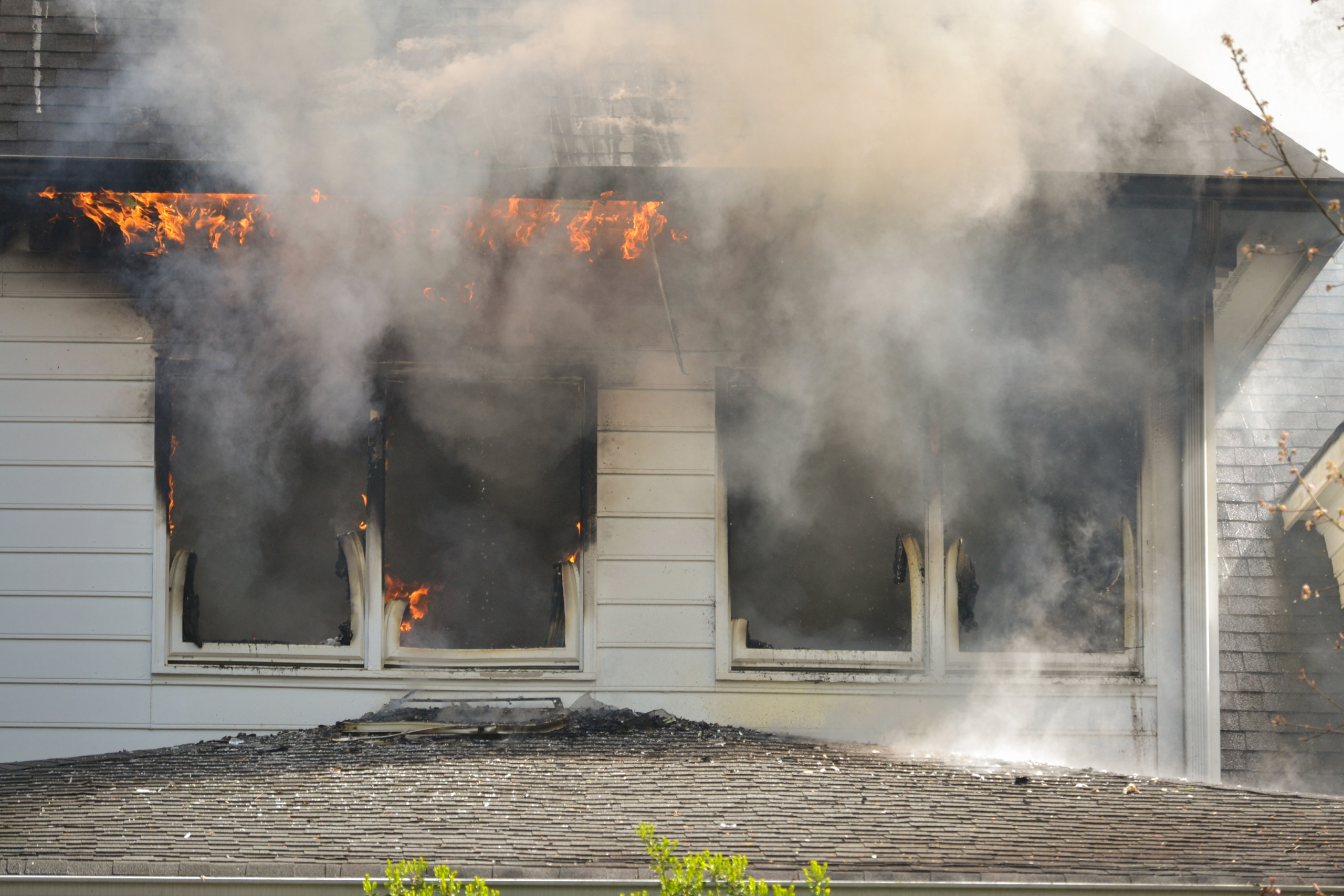
Fire damage can have devastating effects on buildings. When destructive flames consume parts of a structure, the need for a thorough fire damage inspection arises. So, what does a structural engineer look for after a fire? This guide will walk you through the essential aspects.
How Do You Know If a House Is Structurally Safe After a Fire?
To gauge a house’s safety post-fire, a structural engineer zeroes in on key elements. Checking for compromised materials and weakened connections is crucial. Engineers spot visible telltales of structural damage, such as cracked walls, sagging roofs, and warped frames. Their aim? Assess the building’s overall structural integrity to ensure it’s still safe for habitation.
- Cracks in Walls and Ceilings: These are red flags indicating stress or movement that could weaken the structure.
- Sagging Roofs: This suggests that the roof framing, commonly made of wood or steel, has lost their load-bearing capacity.
- Buckled Floors: Potential issues here might point to foundational problems, possibly exacerbated by heat or water used to extinguish the fire.
These checks are part of a broader fire damage assessment to ensure longevity and safety before any repairs or reconstruction take place.
Signs of Structural Damage After a Fire
Fire doesn’t hold back, and neither do its signs. While some damage screams for attention, others whisper their presence. Engineers don’t just look for the obvious. Material discoloration, a subtle change often missed, can indicate heat exposure. Steel turns bluish or might even develop rust from compromised protective layers, while concrete can display a pale, powdery surface. In the aftermath, charred wood and ash are more than debris; they reveal burn intensity and flame direction, crucial clues for pinpointing damage.
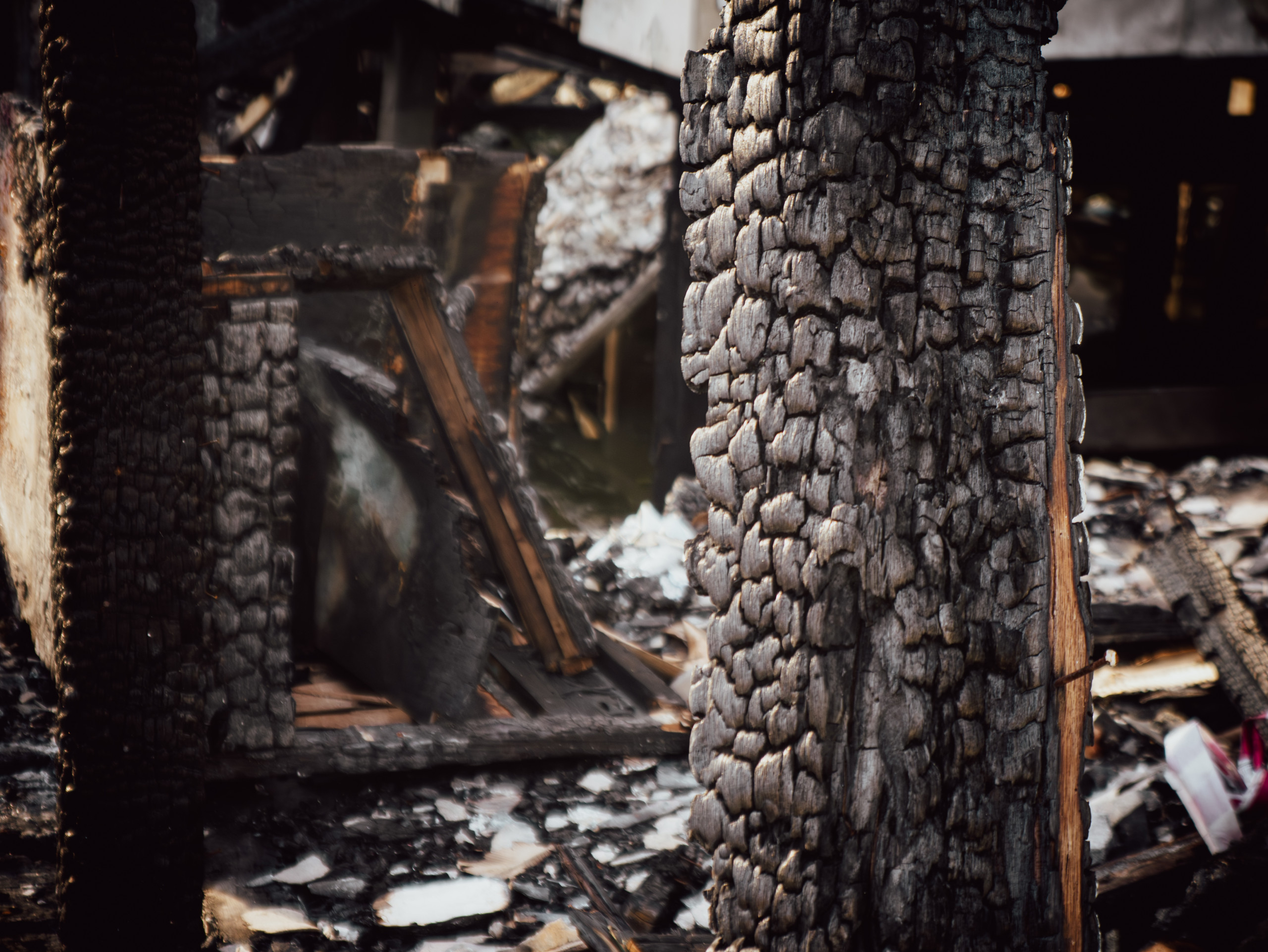
Distinct odors linger too—smoky scents aren’t just nuisances. They hint at incomplete combustion or lingering residue, signaling deeper issues hidden beneath the surface. Musty smells can even indicate compromised moisture barriers, leading to mold risks. It’s a fight against time to catch these signs before they worsen. With an engineer’s practiced eye, these nuances transform from minor anomalies into vital data, outlining the fire’s invisible footprint on a building’s integrity.
What’s Involved in a Fire Damage Inspection?
A fire damage inspection is a methodical process aimed at assessing the full impact of a blaze on a building’s structural integrity. It involves more than a simple walk-through; experts like structural engineers use a combination of keen observation and advanced tools to get a complete picture.
- Surface Inspection: The first step is a basic survey of the structure, looking for visible signs of damage. Engineers examine scorch marks, melted materials, and other indicators of heat exposure.
- Material Testing: Here, the focus shifts to evaluating how the fire affected core building materials. Engineers might take samples of concrete or steel to test their strength and elasticity post-fire. This step ensures that any hidden damage from heat exposure is detected.
- Forensic Techniques: Using techniques similar to those employed in forensic investigations, engineers analyze burn patterns and the progression of the fire. This can help identify which parts of the structure were hit hardest and need the most attention.
Through these stages, a structured picture of the fire’s impact is formed, guiding necessary repairs and safety measures. For further reading on building codes and regulations in post-fire assessments, visit The Truth About Key Building Codes for Forensic Engineering.
Can a House Be Structurally Damaged by Fire?
Absolutely. Fire is more than a flame; it’s a formidable force that reaches deep within a building’s materials to disrupt their very fabric. When heat rises, wood doesn’t just char; it loses its strength and rigidity. Steel, though lauded for its robustness, shows its vulnerability under extreme temperatures, bending and twisting in ways that redefine a structure’s load paths. Concrete might seem invincible, but it, too, faces thermal shock. Spalling is its Achilles’ heel, where layers flake off, exposing the body to further damage. Each material responds distinctively, but the common thread is degradation. Fire shakes the structural integrity of a house at its core.
Why Are Structural Engineers Essential After a Fire?
After a fire, determining what’s safe and what’s compromised isn’t a guesswork scenario; it demands precision. Structural engineers are pivotal because they have the expertise to evaluate how the intense heat has altered a building’s bones. They dissect the fire’s impact on materials, revealing secrets hidden beneath charred surfaces. Their assessments ensure safety, reducing the risk of further failures. Moreover, they prioritize which repairs are urgent and calculate costs, keeping rebuilding both safe and financially viable. Simply put, they bridge the gap between destruction and reconstruction with accuracy and assurance.
How to Check for Structural Damage After a Fire?
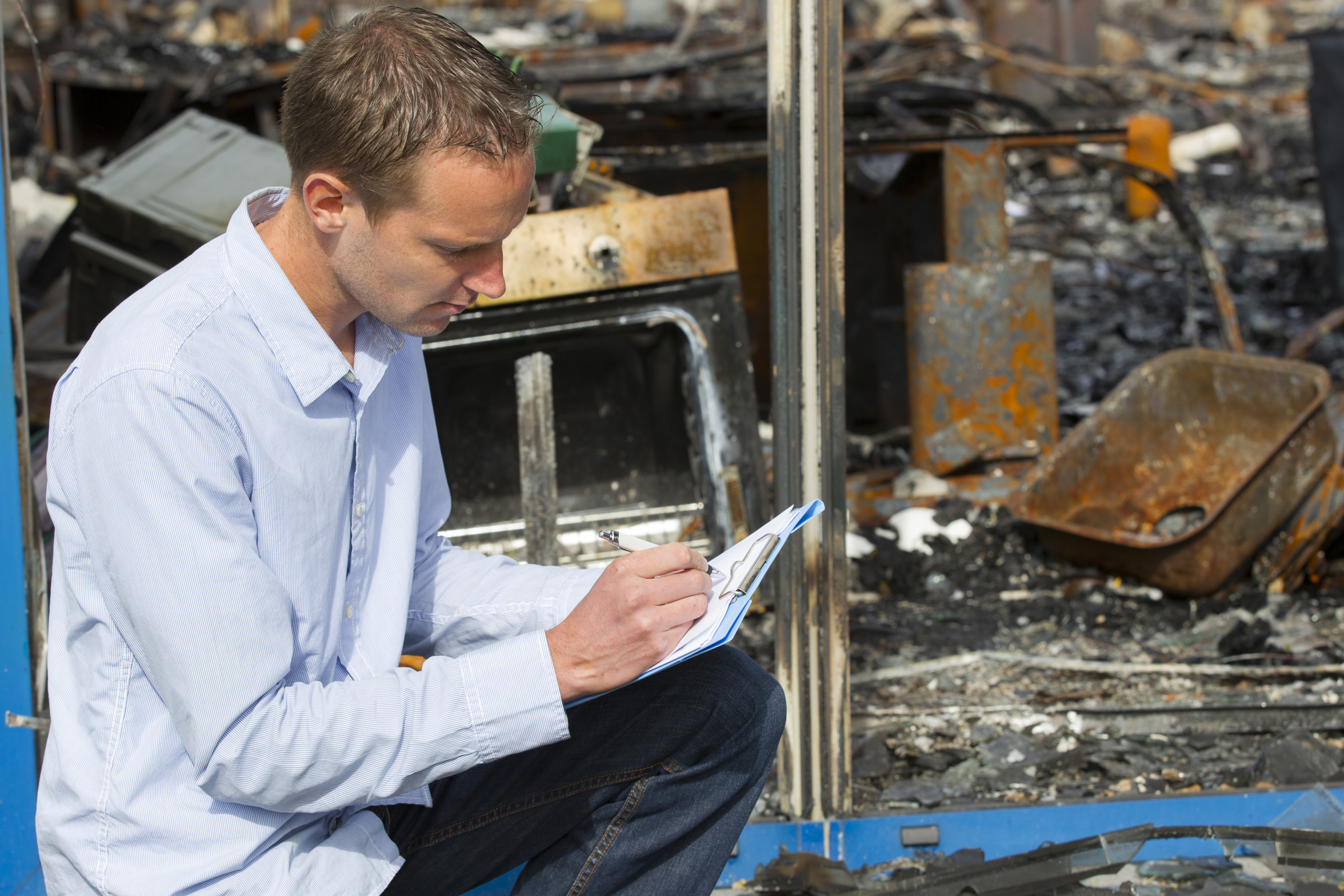
After ensuring the scene is safe and clear, the structural engineer steps in for a deep dive inspection. Here’s how they systematically dissect the aftermath to keep hazards in check:
- Hire a Forensic Engineer After a Fire: This move isn’t just a good idea—it’s crucial. Forensic engineers bring a sharp eye and technical expertise to spot hidden issues that might fly under the radar. They understand the subtle ways that heat and flames tamper with materials and structures.
- Utilize Technology: Modern engineers pack more than a pencil and clipboard. They deploy drones to capture aerial views and inspect hard-to-reach areas without risking personal safety. 3D modeling comes into play to create detailed visualizations of the damaged property, highlighting areas of concern and potential risks.
These steps help engineers construct a reliable picture of the damage, ensuring nothing gets missed in the shuffle. Each tool and technique provides additional layers of insight, enabling a holistic evaluation that’s vital for safety and planning repairs.
Fire Damage Forensic Assessment
A fire damage forensic assessment dives deeper than simply observing charred beams and scorched walls. This process uncovers the hidden impacts and root causes of a fire’s devastation. Structural engineers play detective, tracing the fire’s path through careful examination of burn patterns and material deterioration. The aim is not just to assess the damage but to understand the full story of how the fire traveled and which areas bore the brunt of the heat.
Engineers employ a mix of techniques—analyzing heat-affected zones and conducting tests on materials like concrete and steel to assess changes in structural integrity. This goes hand in hand with modern technology, such as thermal imaging and 3D modeling, which helps engineers visualize the extent of internal damage that isn’t visible to the naked eye. By mapping out the fire’s trajectory and its impact, they can recommend targeted repairs and reinforcement strategies aimed at restoring the building’s strength and safety.
In essence, the forensic assessment isn’t just about identifying what went wrong; it’s about crafting a precise roadmap to recovery, ensuring that every potential weakness is addressed before moving forward. With the insights gleaned from this detailed process, property owners can make informed decisions, ensuring both safety and compliance with relevant building codes.
Check out this Conditional Assessment of Fire Damaged Structures for more information.
FAQs
- Can you repair structural damage after a fire?
Absolutely. With a thorough assessment by a structural engineer, you can target specific areas needing repair and restore structural integrity. It’s about understanding what’s damaged and how best to fix it without cutting corners.
- How long does an inspection take?
Time is relative here. The size of the building and the damage’s extent can stretch an inspection over several days. It’s not a quick glance; it’s a fine-tooth comb running through every nook and cranny.
- Is it necessary to hire a structural engineer?
In short, yes. Safety and legal reasons can’t be taken lightly. A qualified engineer ensures you’re doing things by the book, keeping the building safe and compliant.
- What materials typically need replacing after a fire?
Wood and drywall are common casualties—usually unsalvageable once the flames have had their way. Steel and concrete might not escape untouched either; sometimes, they need a bit of reinforcement to ensure everything stays where it should.