

by Luke Cronin
Share
by Luke Cronin
Share
Water damage in a home can lead to serious problems if not addressed quickly. Whether it’s from a leaky roof or water seeping through walls when it rains, the damage can be extensive. In this guide, we’ll explore how you can identify signs of water damage in a home and when to consider professional help.
What Are the Early Signs of Water Damage in Walls?
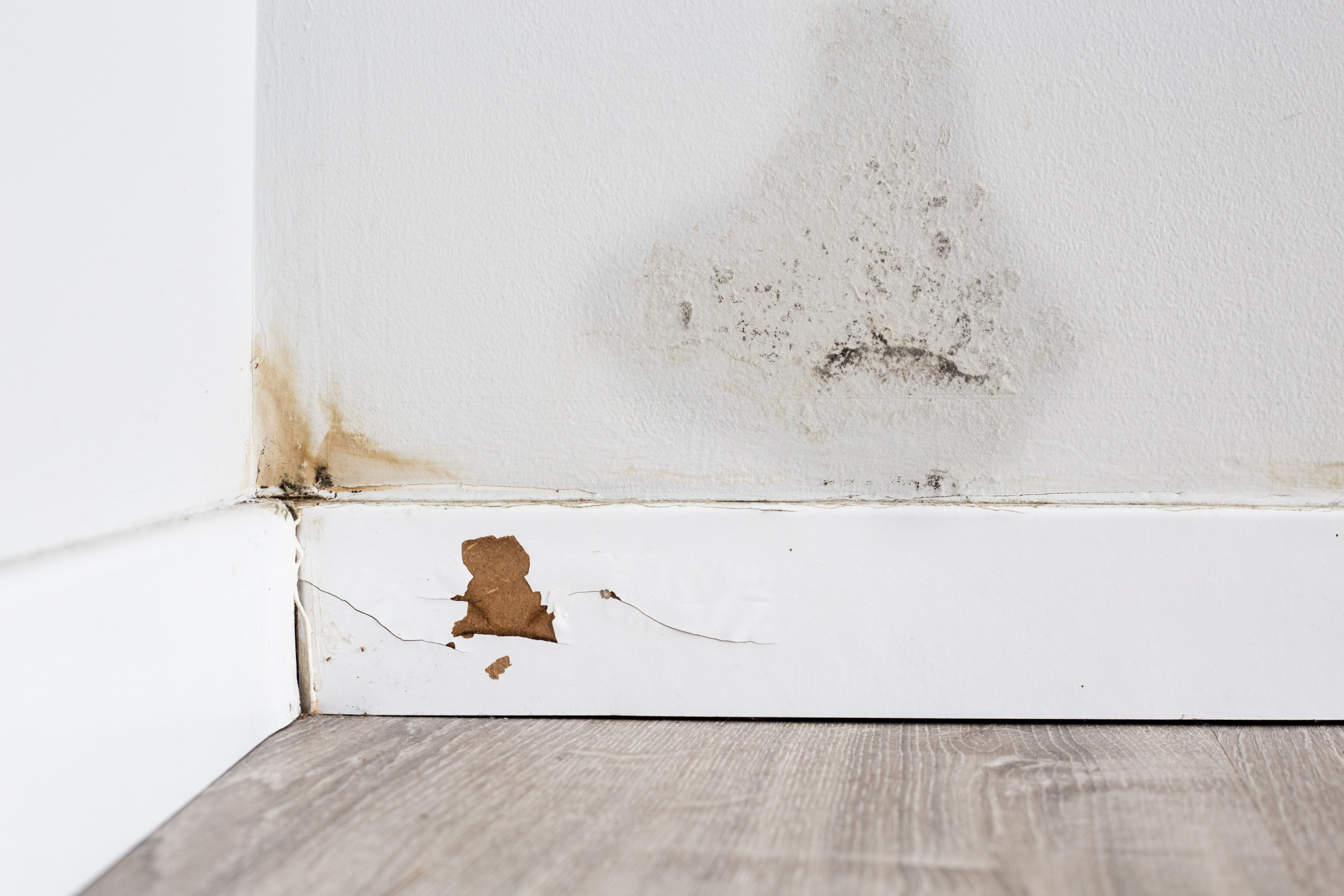
Water damage might sneak up on you, but a little vigilance goes a long way. Keep an eye out for peeling or bubbling paint, a sure clue that something’s amiss beneath the surface. Stains or discoloration are another red flag, often signaling moisture trying to escape. If you notice drywall that’s soft to the touch or even swollen, it’s time to dig deeper.
Catching these signs early can save you a world of trouble. Ignored, these minor nuisances may snowball into full-blown structural headaches. That’s when the pros, your trusty water damage experts, become your best friends. They’re your go-to, ensuring those sneaky water issues don’t morph into a costly disaster.
How to Spot Signs of Water Damage in the Ceiling
Ceiling water damage is like a whisper that hints at bigger issues, usually stemming from a roof that isn’t doing its job. Here’s how you can identify potential water damage in your ceiling:
Visual Indicators
- Stains or Darkened Patches: Scan for discoloration or stains. These are the telltale signs of moisture that’s overstayed its welcome.
- Sagging Areas: Look for areas that appear to be dipping under pressure; they’re alarm bells that shouldn’t be ignored.
Auditory Signs
- Dripping Sounds: Even the small sounds in a quiet house can be giveaways. Listen closely for drips or the subtle rush of water.
Preventive Tips
- Address Quickly: Small leaks can balloon into costly repairs if left alone. When in doubt, it’s best to nip them in the bud.
How Long Does It Take for Water to Cause Structural Damage?
Structural damage from water doesn’t happen overnight, but it can start within hours. Prolonged exposure to moisture can:
- Weaken wooden members.
- Lead to mold and mildew growth.
- Corrode metal components.
Wood and moisture don’t mix well. Get them acquainted, and you risk a soggy, weakened structure. Metal might seem invincible, but it fares no better when corrosion decides to crash the party. Mold and mildew aren’t just unsightly, they’re the initial steps towards a house taking on its own ecosystem.
Timeframes depend on the extent and location of the moisture intrusion, so pinpointing the exact time can be tricky. Enlist a structural engineer for a thorough evaluation. Their expertise helps you understand how resilient, or vulnerable, your structure is to ongoing water exposure.
What Does Structural Water Damage Look Like?
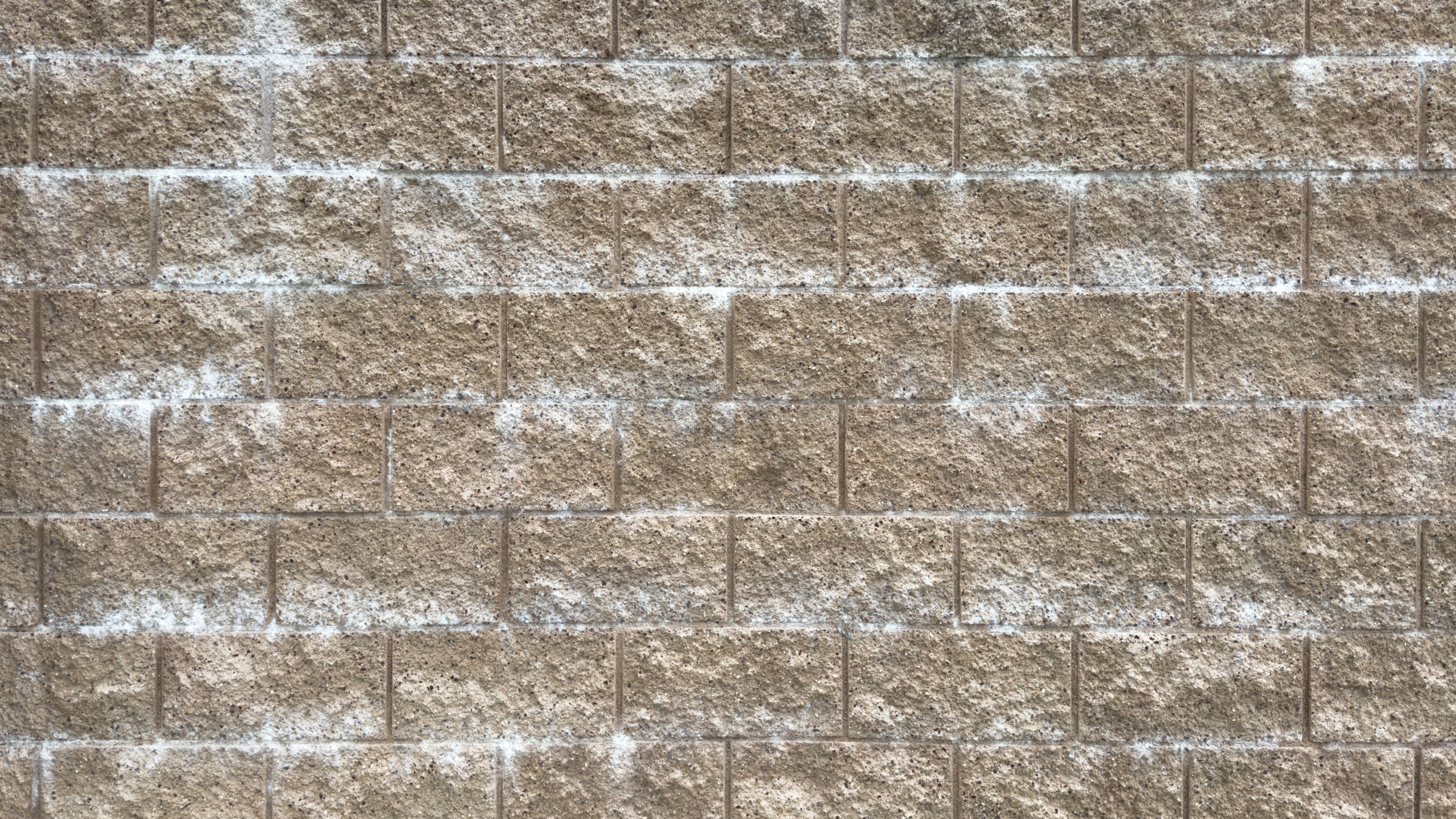
Structural water damage leaves telltale marks if you know what to look for. One key sign is cracks in the foundation or walls, often appearing as horizontal lines. These can result from prolonged water exposure compromising the integrity of building materials. Another red flag is uneven or sloped flooring, which may occur when water erodes the underpinnings of your home’s structure, causing shifting or settling. You should also look for efflorescence—a white, powdery or crystalline residue that appears on concrete, brick, or masonry when moisture moves through the material and leaves mineral deposits behind. While efflorescence itself is not necessarily structural damage, it can signal an ongoing moisture problem that warrants further investigation.
Finally, sticking doors and windows may be more than a humidity issue; they could indicate that persistent moisture is warping the frames or causing structural movement. Recognizing these warning signs early can help you avoid more severe consequences. A professional evaluation can ensure you’re addressing the underlying source of the water intrusion rather than simply treating surface symptoms.
Does Insurance Cover Structural Damage from Water?
Insurance coverage for structural damage from water varies significantly based on the specifics of your policy. Generally, most standard homeowner’s insurance policies cover sudden and accidental water damage, such as burst pipes or an unexpected roof leak. However, they often do not cover gradual issues stemming from poor maintenance, like slow leaks or groundwater seepage.
Steps to Navigate Your Insurance Policy
To navigate your insurance policy effectively, consider these steps:
- Review Your Policy Details
- Start by thoroughly understanding your policy.
- Look for terms related to water damage, noting what’s covered and what isn’t.
- Pay attention to any exclusions or specific clauses.
- Document the Damage Thoroughly
- Take detailed photos and notes of the affected areas.
- Having a clear record of the damage is crucial when filing a claim and can support your case with the insurer.
- File Water Damage Claims Promptly
- Timing can be critical.
- The sooner you report the damage, the better chance you have of your claim being processed favorably.
- Delays can lead to questions about negligence or maintenance issues.
Professional Assessment
In some cases, you may need a professional assessment to support your claim. Consider contacting:
- A contractor,
- A water damage expert, or
- A structural engineer.
A professional can provide a robust, expert evaluation of the damage. Their insights can be invaluable in strengthening your claim by offering an authoritative perspective on the extent of the damage and necessary repairs.
What to Do When Water is Seeping Through a Wall When It Rains?
So, you’ve noticed water sneaking in when it rains. Annoying, right? If left unchecked, it can balloon into a bigger issue. Start simple: inspect those gutters and downspouts, they’re your first line of defense. Make sure they’re not overflowing because of leaves or other debris.
Next, take a walk around your house. Look for cracks or gaps in the exterior walls, especially around windows and doors. These are like open invitations for rain to come in. A little caulking or sealant can do wonders here.
Finally, cast an eye on your drainage. Ensure water is flowing away from your foundation. This might mean adjusting the slope of the ground around your house or even installing drainage pipes if things are looking grim. Small tweaks can save you from nightmare repair bills down the road.
Addressing Water Damage in Your Home
Recognizing and addressing water damage promptly is critical to maintaining the integrity of your home. Ignoring early signs can lead to significant structural problems over time.
Identifying Early Signs of Water Damage
Even minor indicators should not be overlooked. Look out for:
- Peeling Paint
- Dark Spots on Ceilings
- Musty Odors
These may seem minor but can escalate if not addressed.
Professional Evaluation and Resolution
Consulting with professionals, such as water damage experts and structural engineers, is essential. They can:
- Evaluate potential issues thoroughly
- Provide tailored solutions to safeguard your home
Their insights are invaluable for understanding the extent of the damage and the necessary steps to resolve it.
Navigating Insurance and Documentation
- Understand Your Insurance Policy: Knowing the details can empower you to handle claims efficiently.
- Document Damage Thoroughly: Proper documentation can help reduce repair costs.
For further assistance, consult resources like “Secondary Effects of Water Damage” for more insights into understanding and combatting water damage.
Conclusion: Preserving Your Home
Ultimately, addressing water damage is about preserving the longevity and safety of your home. Prompt attention and informed action can:
- Prevent minor issues from escalating
- Avoid costly repairs
- Keep your living space secure and sound
FAQs
How do you know if water damage is significant enough to require an expert?
If you notice persistent issues like mold or discoloration on walls or ceilings, it’s time to call a water damage expert. They can assess and address the extent of damage.
Can minor leaks go undetected and cause problems?
Yes, minor leaks often go unnoticed. Regular inspections can prevent them from escalating into larger issues.
What’s the role of a structural engineer in water damage cases?
Structural engineers are vital in diagnosing the extent and impact of water damage. They recommend solutions tailored to your home’s needs.
Where can I find more information about protecting my home from water damage?
Visit our detailed guide on water damage and structural issues for additional insights.