

by Luke Cronin
Share
by Luke Cronin
Share
Important Facts to Know About Foundation Issues Home Inspection
In real estate, a home’s foundation is critical. It’s the core of the structure, providing support and stability. Foundation issues can lead to serious problems and expensive repairs. Knowing how to identify these problems can save you time and money.
This guide covers important facts about foundation issues in home inspections. Let’s explore the details to help you understand and address potential foundation concerns.
What Is a Foundation Inspection?
A foundation inspection is the process of evaluating the core of a house to ensure its structural integrity. This examination focuses on identifying any issues that could compromise the home, such as cracks, uneven settling, or water intrusion. Specialists in foundation inspections are adept at recognizing signs of potential problems that might not be immediately evident to a layperson. With a foundation being the literal bedrock of a home, conducting a thorough check is crucial to prevent costly repairs down the road.
The inspection involves several critical steps. First, a visual examination is performed to spot overt damages like cracks in the walls or signs of bowing. Next, structural engineers take leveling measurements to determine if the foundation is even. Unevenness can indicate underlying issues that need prompt attention. Moisture is another crucial factor; structural engineers look for water leakage signs that could imply a breached foundation. Lastly, they assess the home’s structural integrity by examining beams and supports for any indicators of stress or instability.
Overall, a foundation inspection is like getting a physical for your home. Read here for a more comprehensive guide: “Structural Inspections: What Happens and Why It’s Important”. It checks the essential aspects of what keeps the structure standing tall and secure.

Who Can Inspect a House Foundation?
When it comes to inspecting a house foundation, licensed and trained professionals are your best option. Structural engineers, in particular, are well-qualified to handle this task due to their technical expertise in assessing and diagnosing foundation issues comprehensively.
Choosing a Foundation Inspector
To ensure you select the right foundation inspector, consider the following factors:
- Credentials:
- Verify their qualifications and licensing.
- Ensure they are certified and knowledgeable.
- Avoid settling for less than a certified professional.
- Experience:
- Look for inspectors with a proven track record in your area.
- Experienced professionals can spot issues that others might overlook.
- References:
- Check past client reviews for valuable insights.
- A series of positive testimonials indicates reliability.
- Consider reaching out to past clients for firsthand feedback.
- Local Knowledge:
- Choose inspectors familiar with local soil and weather conditions.
- Understanding local elements allows for more precise and reliable assessments of foundation stability.
What Are Foundation Problems?
Foundation problems can vary widely, ranging from minor annoyances to major structural challenges. These issues often begin subtly but can escalate if left unattended. Early detection is crucial to prevent further deterioration and avoid hefty repair bills down the line.
Common Types of Foundation Problems
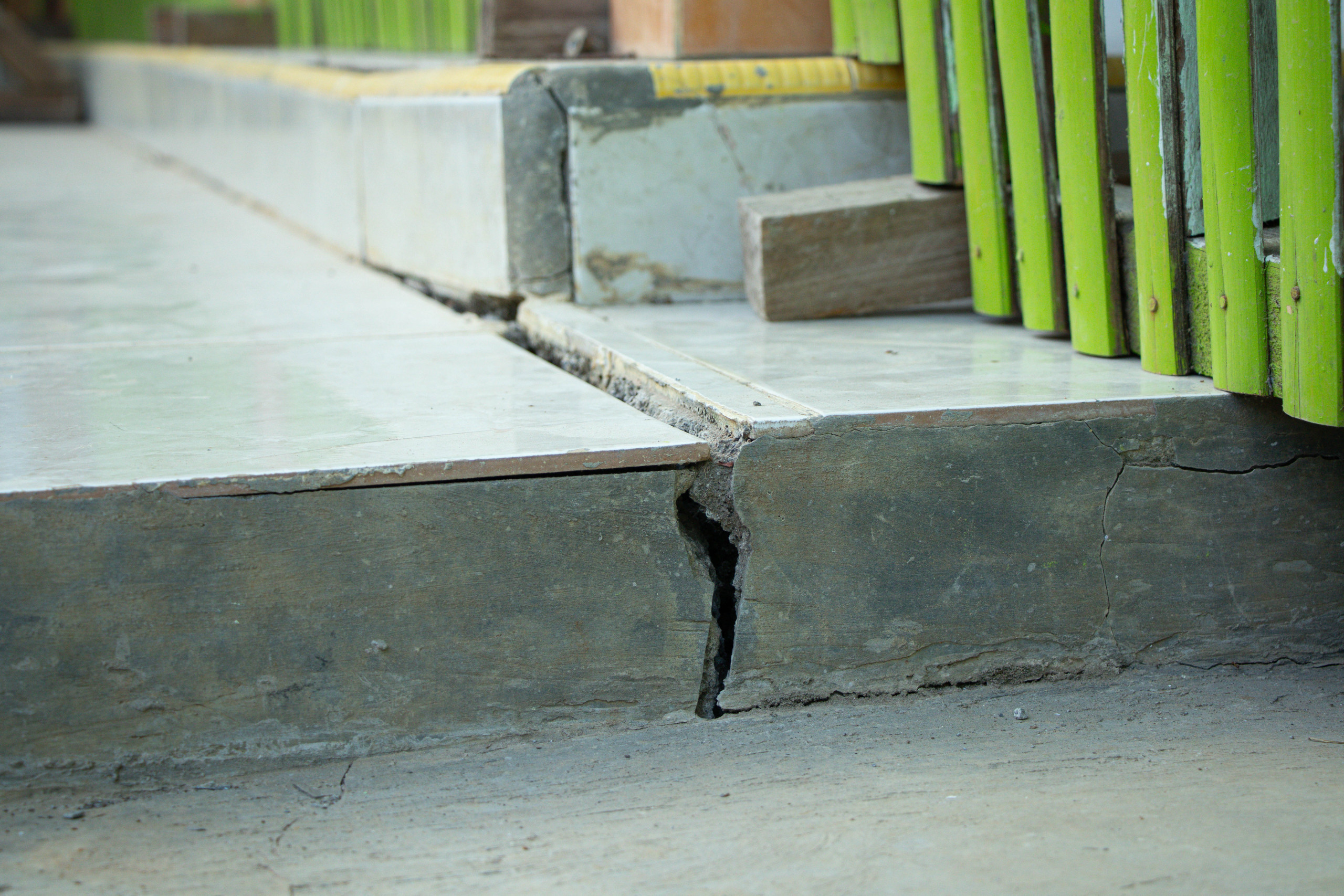
Cracks in Walls and Floors
- Signs of Settlement: Minor hairline cracks might be harmless, but wider cracks could indicate more serious issues.
- Professional Evaluation Needed: Larger cracks usually require expert assessment to determine the extent of the problem.
Bowing Walls
- External Soil Pressure: Occurs when external soil pressure exceeds the wall’s structural capacity, causing it to curve inward.
- Need for Reinforcement: May require reinforcement to prevent possible collapse.
Uneven Floors
- Foundation Shifting or Settling: A telltale sign that the foundation could be shifting or settling unevenly.
- Effect on Daily Life: Can cause doors and windows to jam, making daily life cumbersome.
Water Damage
- Erosion of Foundation Materials: Persistent leaks or moisture issues can gradually erode foundation materials.
- Need for Improved Drainage: Often calls for better drainage solutions to direct water away from the home’s base.
Recognizing these symptoms early on can help homeowners implement corrective actions to maintain the home’s safety and prevent costly repairs in the future.
How to Address Foundation Settlement?
Foundation settlement occurs when the soil beneath your home shifts or compresses. This can result in uneven floors and cracks, leaving your dwelling vulnerable to structural issues if ignored. Fortunately, several corrective measures can tackle this problem and maintain your home’s stability.
Solutions for Foundation Settlement
- Soil Stabilization: An effective method to counteract settlement is stabilizing the soil itself. Techniques like soil injection introduce substances that solidify and reinforce the ground, preventing further movement. This approach helps in ensuring that the foundation remains steady and less inclined to shift again.
- Foundation Piers: Installing piers is another reliable solution for addressing settlement. Piers are designed to lift and support the foundation, anchoring it to more stable ground levels. They provide a long-term fix by distributing the weight of the house more evenly and can help realign and secure areas that have sunk.
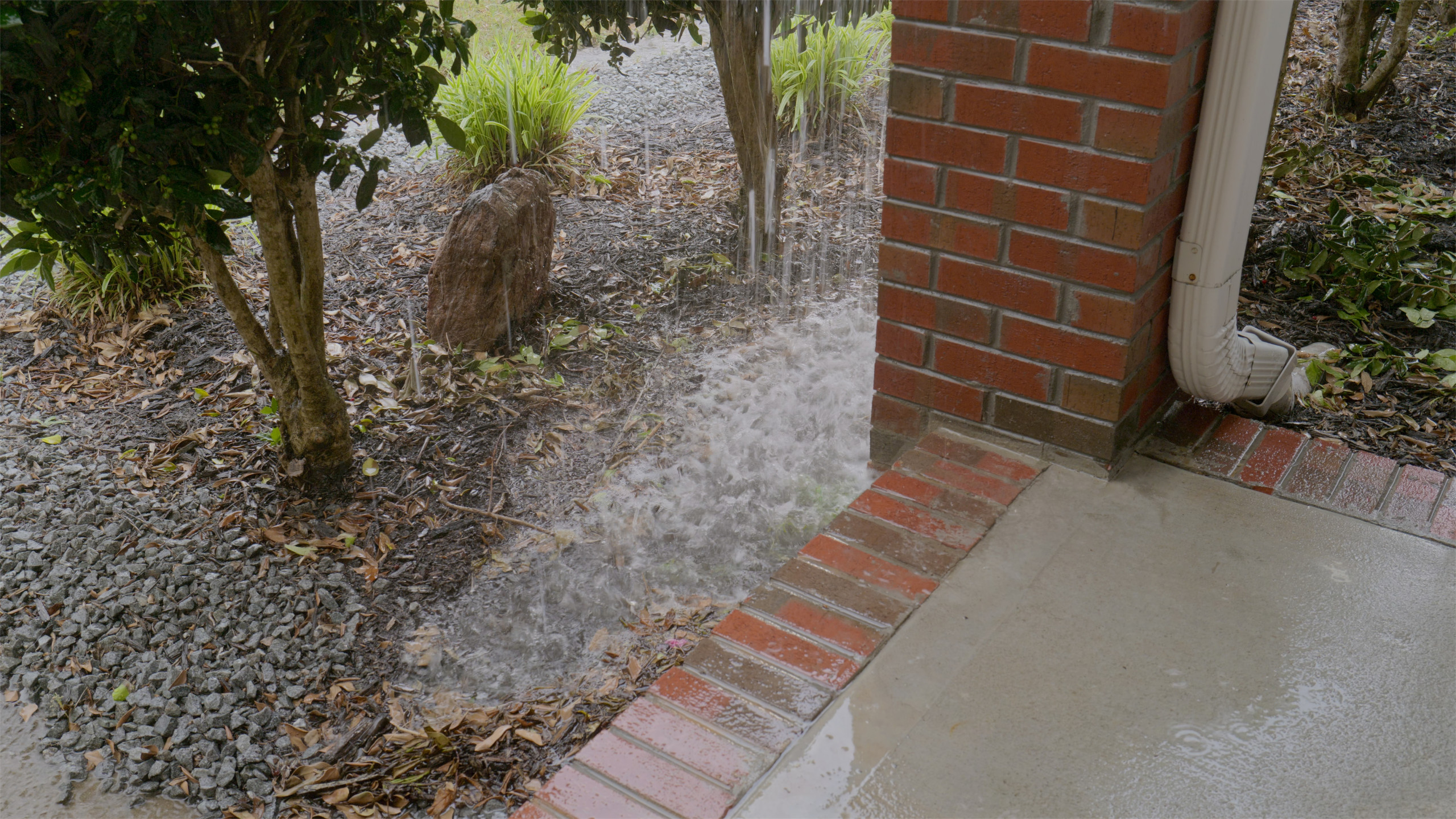
- Drainage Improvements: Often, excess water around the foundation exacerbates settlement. By improving the drainage system, such as adding gutters or grading the landscape to divert water away, you can significantly reduce soil erosion and shifting. Proper water management is crucial in preventing future settlement issues and extending the life of your foundation.
Taking these steps not only addresses current issues but also fortifies your home against potential future problems, ensuring that its foundations remain robust and secure.
Why is Foundation Inspection for Home Purchase Important?
Before diving into a home purchase, getting a clear picture of the property’s condition is crucial. A foundation inspection isn’t just about ticking a box in the buying process—it’s about understanding the literal and figurative ground on which your potential investment stands. Skipping this step can lead to unexpected headaches and hefty repairs down the line.
A pre-purchase foundation inspection offers several critical benefits:
- Identify Possible Repairs: An inspection helps unearth any underlying problems, such as cracks or drainage issues, informing you about necessary repairs upfront. This knowledge is vital to avoid surprise expenses after you’ve signed on the dotted line.
- Negotiating Power: Armed with a detailed inspection report, you’re in a stronger position to negotiate price adjustments or request the seller to cover certain repairs before finalizing the deal. It could be the difference between overpaying and walking away with a fair deal.
- Future Planning: Understanding the current state of the foundation sets the stage for future maintenance. It helps you anticipate upkeep costs and budget accordingly, ensuring your new home remains safe and sound for years to come.
Taking these steps ensures you’re not just buying a house, but investing wisely in its future stability. Make sure to lean on insights provided by structural engineers and real estate experts. This is where their expertise can truly create lasting value in your home purchase journey.

Foundation Inspection Near Me: How to Find Reliable Inspectors
Finding a reliable inspector near you is vital for accurate assessments. Local professionals understand specific geographic challenges affecting foundations.
Tips for Finding an Inspector
- Conduct Online Searches: Simply typing “foundation inspection near me” into your favorite search engine can yield a list of local options. Websites like Google and Yelp often provide reviews that can help gauge the quality of services offered.
- Ask for Recommendations: Your immediate network is a valuable resource. Friends, family, or local real estate agents can provide suggestions based on their experiences. Personal recommendations often lead you to trustworthy professionals with proven track records.
- Compare Services: Don’t just settle for the first inspector you find. Obtain quotes from multiple structural engineers to compare their services and prices. While cost is crucial, consider the breadth of their inspection process and how thorough they are likely to be.
In your search for a foundation inspector, remember that an informed choice can make a significant difference. Taking the time to investigate and select the right professional ensures a sound foundation for your home investment.
FAQs on Foundation Inspection
How Long Does a Foundation Inspection Take?
- Duration: Typically, it can take anywhere from 1 to 3 hours.
- Factors: The time required depends on the home’s size and condition.
- Considerations: Larger homes with complex foundations might take longer, whereas smaller properties may require less time to assess thoroughly. The older the home, the more thorough you also need that inspection to be.
What if My Home Fails the Inspection?
- Clarification: “Failure” isn’t exactly the right term. The inspection reveals problems. All homes can be repaired with the correct designs from a structural engineer.
- Next Steps: You can then decide on necessary repairs before proceeding with any real estate transaction.
- Benefits: It’s an opportunity to address issues, potentially save money on future repairs, and ensure safety.
How Often Should I Get a Foundation Inspection?
- Frequency: It’s wise to conduct an inspection every few years.
- Indicators: If you notice signs of foundation problems, schedule an inspection.
- Advantages: Regular checks can help catch minor issues before they escalate into costly repairs, providing peace of mind.
Can I Do a Foundation Inspection Myself?
- Possibility: While you can check for obvious signs, a professional inspection is recommended for thorough analysis.
- Expertise: Trained inspectors use specialized tools and have the expertise to spot nuanced issues you might overlook.
- Conclusion: DIY might miss critical details that could affect your home’s integrity.
By understanding the intricacies of foundation inspection, you’re better prepared to maintain the stability and value of a home. For more insights, take a look at this “Complete Guide to Foundation Inspections”.