

by Luke Cronin
Share
by Luke Cronin
Share
Introduction
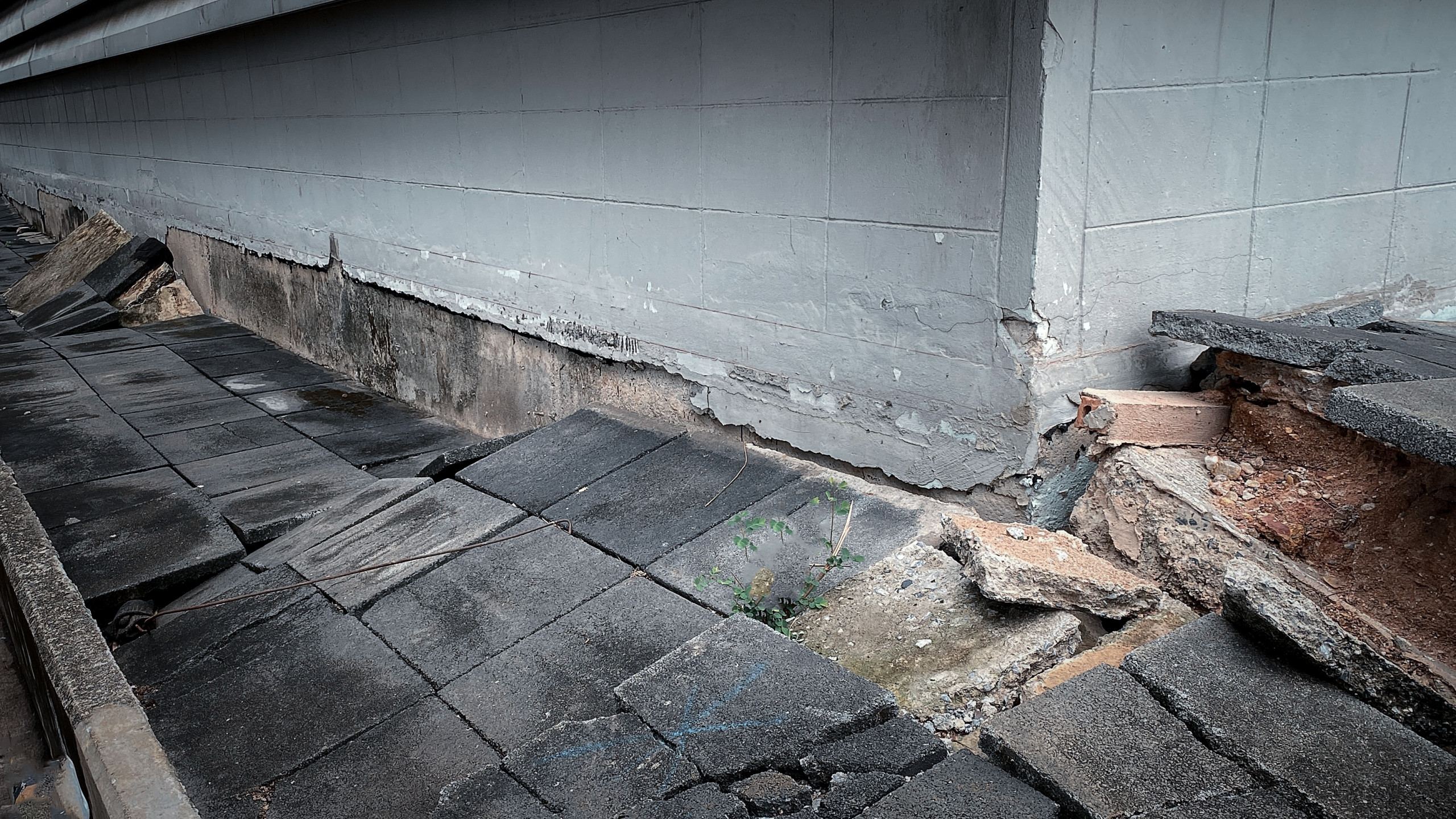
Foundation Repair in Denver are more widespread than you might think. The city’s unique challenges stem from its particular soil composition and fluctuating weather conditions. Understanding these issues is crucial for homeowners to effectively address and mitigate potential damage.
Key Contributing Factors
- Expansive Clay Soils: The soil in Denver contains a high level of expansive clay, which can expand and contract dramatically with moisture changes.
- Freeze-Thaw Cycles: The region experiences frequent freeze-thaw cycles, putting additional stress on building foundations.
Common Signs of Foundation Problems
Homeowners often encounter the following issues, which indicate potential foundation troubles:
- Cracks in walls
- Sinking floors
- Doors that won’t shut properly
Importance of a Comprehensive Approach
A thorough understanding of the underlying problems is essential for effective repairs. Without tackling the root causes, temporary fixes might lead to even bigger headaches down the road. It’s not just about fixing what’s visible; it’s about planning methodically for lasting solutions.
Why Do You Need a Structural Engineer for Foundation Repair?
Foundation troubles are no small potatoes, and when it comes to tackling them, a structural engineer is your go-to guru. These folks are trained to dive deep into the what’s and why’s of your structural woes. Instead of relying on guesswork, they wield science like a trusty sword, slicing through the unknowns to deliver accurate assessments.
- Scope of Expertise: Engineers are like detectives, spotting the sneaky problems that others might miss. While a contractor might see a crack and jump straight to patching it, an engineer digs deeper, identifying whether it’s a symptom of a larger issue.
- Comprehensive Analysis: The engineer’s job doesn’t stop with what’s bugging your foundation today. They peer into the future, evaluating what could crop up tomorrow. This foresight helps ensure that the solution you invest in doesn’t just slap a band-aid on the problem but truly fixes it from the ground up.
By roping in a structural engineer, you’re not just hoping for the best; you’re planning for it. This proactive step can save you from costly do-overs and give you peace of mind that the job’s done right the first time.
How Common Are Foundation Issues in Denver?

Foundation problems are particularly common in Denver. The city’s expansive clay soils expand and contract with moisture, causing foundation settling. This is not just a minor inconvenience; it’s a pervasive issue that affects many homeowners.
- Local Statistics: A significant number of homeowners experience some form of foundation issue. In fact, it’s estimated that over half of the homes in Denver will encounter foundation problems at some point due to soil conditions.
- Unique Challenges: Clay-rich soils and frequent freeze-thaw cycles increase the risk. The soils, which swell when wet and shrink when dry, place immense pressure on foundation structures. This natural cycle, coupled with Colorado’s variable weather, creates a perfect storm for foundation instability.
In Denver, ignoring potential foundation issues is like ignoring a ticking time bomb beneath your home. The consistent movement of soils requires meticulous attention, making it crucial to address any signs of distress early and comprehensively.
What’s the Best Time of Year for Foundation Repair?
Timing is crucial when it comes to foundation repair in Denver. So, what’s the best time of year to tackle these critical repairs?
- Optimal Season: Late winter or early spring is often the ideal period for foundation work. At this time, the ground is usually stable, neither too wet from melting snow nor too dry from scorching summer heat. Contractors find it easier to dig and work with the soil when it’s in this prime condition.
- Why It Matters: Foundation repair isn’t just about fixing what’s broken; it’s about stabilizing your home for the long haul. Performing repairs in late winter or early spring means moderate temperatures and consistent soil moisture levels, both of which are essential. These conditions reduce the risk of additional complications, such as cracks or shifting, during the project. Additionally, working in these seasons minimizes downtime since severe weather is less likely to cause interruptions.
Aligning foundation repair in Denver with the right time of year can mean the difference between a job well done and one that will need revisiting sooner than you’d like. For Denver homeowners, knowing when to act is half the battle in maintaining a sturdy foundation.
How to Prepare for Foundation Repair?
Getting your home ready for foundation repair can feel like a daunting task, but with a bit of preparation, you can make the process much smoother and more efficient.

- Initial Steps: Start by giving your foundation some breathing room. This means clearing the area around your home’s perimeter. Remove any plants, decorations, or lawn furniture that could be in the way. Accessibility is key for workers who need to evaluate and reach your foundation without impediments.
- Consultation: Before lifting a finger, get a professional assessment from a structural engineer. Their trained eyes will catch details you might miss, setting the stage for an effective repair strategy. A solid game plan upfront avoids wasted time and resources later.
- Documentation: This is where you play detective. Take photos and jot down notes of existing cracks or damages. Your documentation not only provides a baseline for tracking improvements but can also be a valuable reference during discussions with engineers or contractors.
Taking these steps might not make the process enjoyable, but they will make it manageable—and that’s half the battle won.
How Much Does Foundation Repair Cost in Denver?
Understanding the cost of foundation repair in Denver is as essential as recognizing the symptoms of the problem itself. The financial aspect of these repairs can vary, driven by a host of factors that range from the severity of damage to the specific techniques required for a long-term fix.
- Average Costs: If you are staring at foundation issues in Denver, expect to shell out anywhere between $4,000 and $60,000. This range serves as a guideline rather than a fixed rule, reflecting the diversity in repair needs and methods employed.
- Factors Affecting Cost: Several elements come into play when estimating repair expenses. The type of foundation, whether it’s concrete slab, pier, and beam, or a hybrid, can influence the cost significantly. Location-specific factors, like Denver’s notorious expansive clay soils and the associated complications, add layers of complexity to the repairs and, consequently, to the cost. Damage extent naturally affects the price tag: minor crack repairs sit at the lower end, while major structural rework can push you toward the upper end of the spectrum.
- Local Labor Costs: Labor costs in Denver can differ from those in other regions, depending on demand, contractor availability, and local economic conditions. It’s crucial to remember that these are not just costs but investments in the stability and safety of your home.
In summary, when budgeting for foundation repair in Denver, be prepared for variability. Conduct thorough research, get multiple estimates, and don’t skimp on expertise, it’s the bedrock of a long-lasting solution.
What Role Do Foundation Contractors Play?
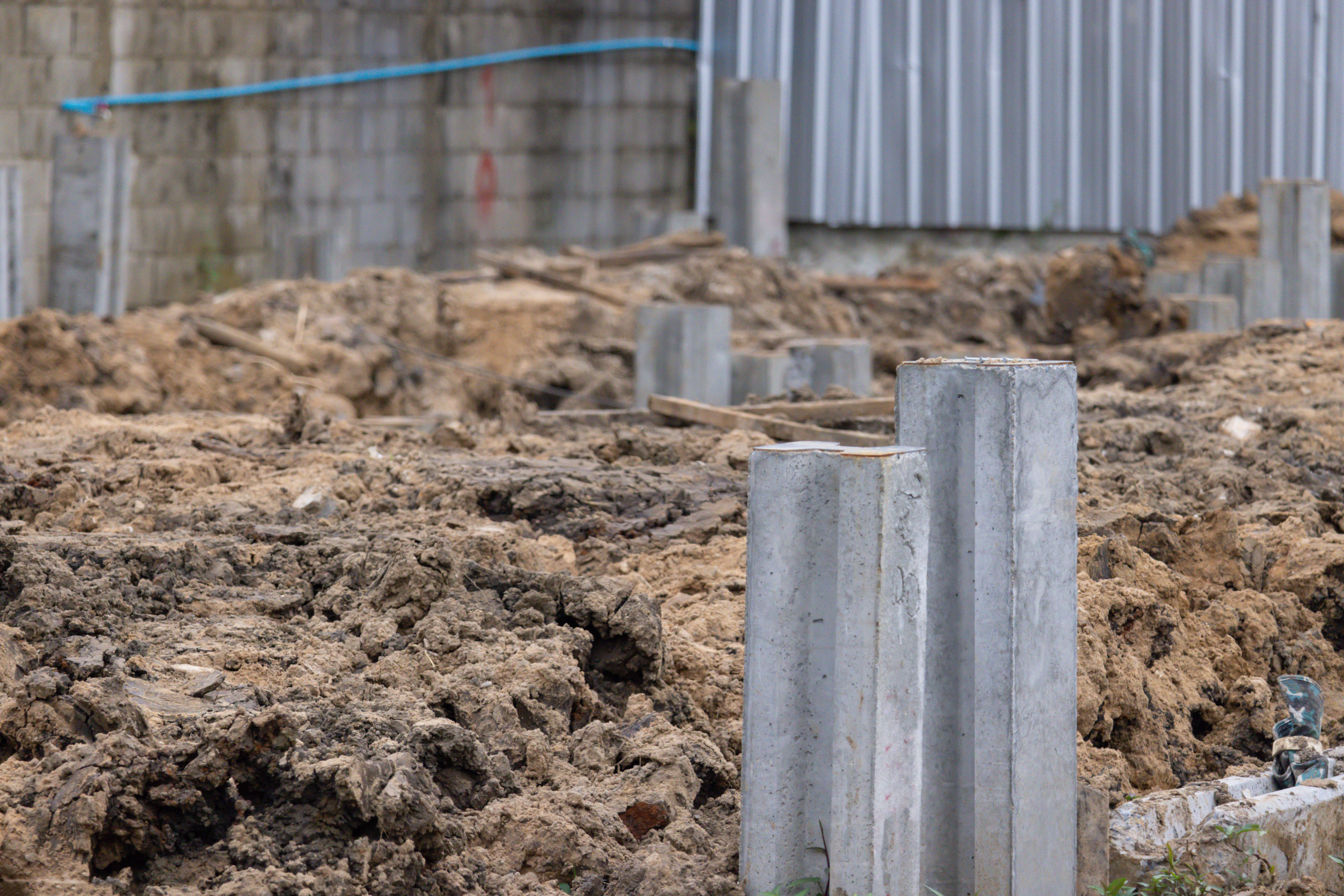
Foundation contractors carry out the actual repairs. But remember, a contractor should work under the guidance of a structural engineer.
- Implementation of Plans: Contractors execute the repair design specified by engineers. Their role is to take the engineered solutions and physically bring them to life, which involves skills like concrete pouring, pier installation, or soil stabilization, depending on the problem. They are the hands-on experts who make sure repairs are built to last, using their knowledge of materials and construction techniques.
- Essential Collaboration: Working with both ensures the highest quality outcomes. While engineers provide the blueprint and scientific oversight, contractors deliver the craftsmanship needed to apply those plans in real-world conditions. This collaboration is crucial; engineers might outline what needs to be done, but without capable contractors, those plans remain theoretical. Sticking to this dynamic duo model not only helps in achieving a lasting solution but also mitigates the risk of having to revisit repairs down the road.
Can Foundation Issues Be Fixed?

Early Detection is Key
Yes, foundation issues can be addressed effectively. This article shows how each of these repairs can be done correctly, “Can Foundation Issues Be Fixed?”. With the right expertise, most problems can be resolved before they become major concerns. The key lies in early detection and accurate diagnosis. Look for signs such as:
- Cracks in walls,
- Bowing walls, or
- Uneven floors
These symptoms often indicate the need for intervention. Though they may seem daunting at first glance, they can typically be remedied with proper techniques and a tailored approach.
Steps to Successful Foundation Repair In Denver
Successful repairs usually start with a comprehensive evaluation by a structural engineer. Their insights guide the process to ensure the most suitable methods are employed:
- Comprehensive Evaluation: Conducted by a structural engineer, this is the foundation for an effective repair plan.
- Method Selection: Techniques such as underpinning, pier systems, or even simple drainage solutions can stabilize a foundation and extend its life.
Unique Challenges in Denver
In areas like Denver, where clay-rich soils and unpredictable weather present unique challenges, having specialized knowledge is crucial. Early intervention is especially important in such environments.
Proactive Measures
Don’t wait for minor issues to escalate. Proactively addressing symptoms can save time and money in the long run.
Foundation Repair: When You Need an Engineer, Not Sales Teams
When it comes to foundation repair in Denver, the choice is clear: rely on engineers, not sales teams. Here’s “When You Need An Engineer and Not A Sales Team” guide. Sales reps can be eager to sell you a quick fix, but structural issues aren’t solved from a sales brochure. Engineers bring a scientific lens, not a commission slip, to your foundation’s troubles.
Why Expertise Matters
Structural engineers zero in on the core of the problem. Unlike sales-driven approaches that focus on surface-level solutions, engineers dig deeper—literally and figuratively. They start with soil tests and load evaluations, not just a quick walk-around and a pitch. This means less guesswork and more accuracy, essential in a place where soil behaves unpredictably.
Avoiding The Quick Fix Trap
Sales teams are notorious for selling “band-aid” solutions, often leading to recurring issues. While a sales pitch might promise a timely, cheap fix, it can mean more trouble—and cost—down the line. An engineer maps out a durable solution, factoring in not just today’s conditions but tomorrow’s challenges as well.
Ensuring Cost-Effectiveness
True, hiring an engineer might seem costly upfront. But consider the long game. Proper diagnosis and an engineered design plan mean fewer unexpected expenses. A patch job sold by a slick-talking salesman is often more expensive in the long run. Engineering solutions are rooted in sustainability and precision, guarding your home and wallet.
Making the Right Choice
In Denver, where conditions can change on a dime, entrusting your foundation to those who understand science over sales could be your best move. Avoid the sales pitch, opt for expertise. Your foundation will thank you.
FAQs
Do you need a structural engineer for foundation repair?
Yes, they offer a scientific evaluation, which ensures lasting solutions.
What are the signs of foundation problems?
- Cracks in walls
- Uneven floors
- Doors that won’t close
These are common indicators of underlying issues.
How long does a foundation inspection take?
Inspections usually take a few hours but can vary based on complexity.
Is foundation settling normal?
Some settlement over time is normal, but significant movement requires attention.
These frequently asked questions capture the immediate concerns of homeowners dealing with foundation issues. They underscore the critical role of expert assessments and the telltale signs that should prompt you to seek professional advice.
Whether you’re noticing cracks or your doors are suddenly sticky, a timely evaluation by a structural engineer can save you from long-term complications. Remember, a few hours of inspection can steer you away from years of costly fixes.
Having a solid foundation isn’t just a metaphor. In Denver, the stakes are particularly high given the complex soil conditions. Without a thorough understanding of these unique challenges, there’s a real risk of foundation repair becoming an endless cycle of patches rather than long-term solutions. A structural engineer provides the scientific expertise necessary to tailor repairs to your specific situation, ensuring that every dollar spent is an investment rather than a stopgap. Prioritize proven expertise to prevent unnecessary repairs and potential disasters—secure your home’s future by building on a foundation of thoughtful engineering.