

by Luke Cronin
Share
by Luke Cronin
Share
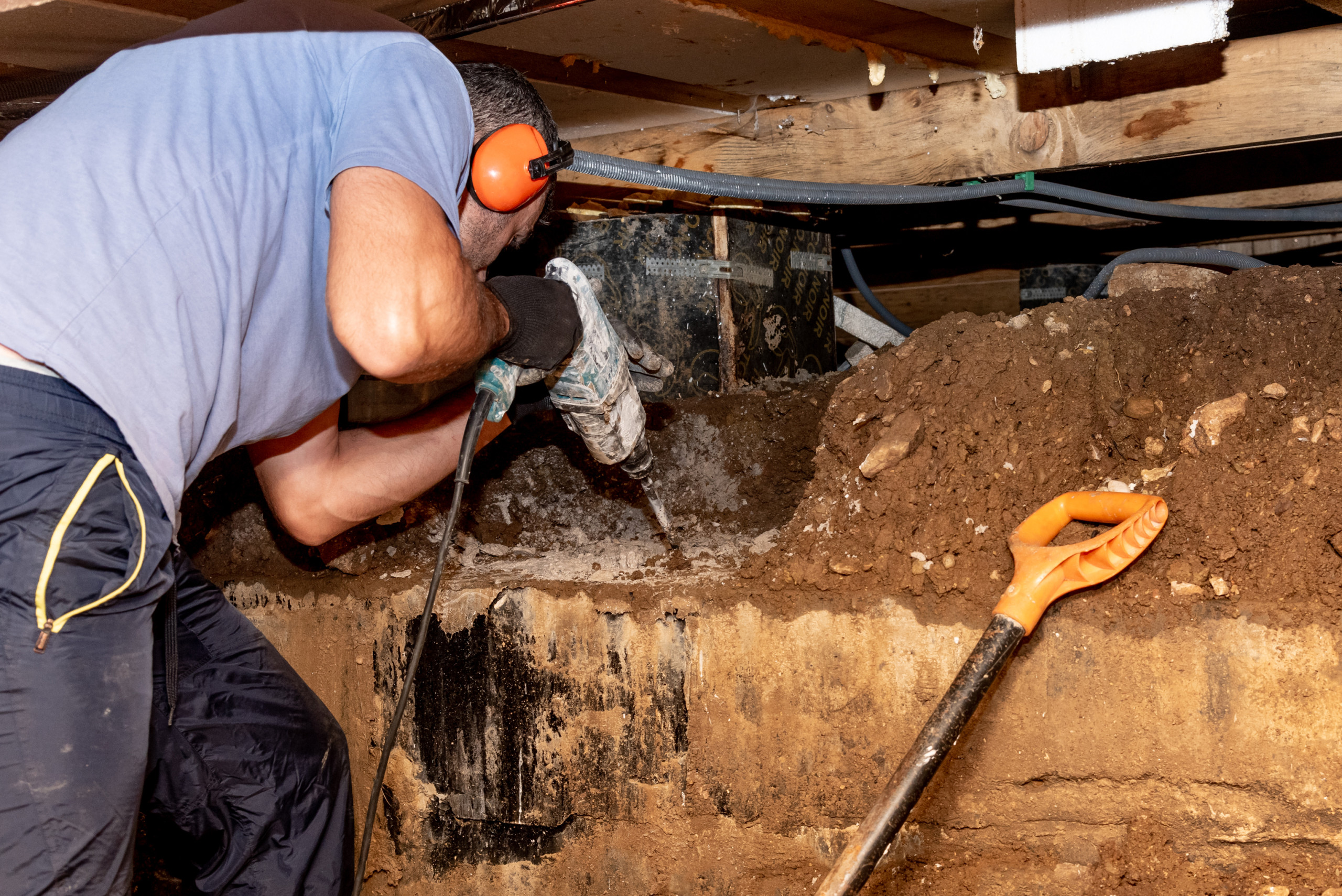
Denver Structural Engineer: Advice on Old Home Dig-Outs
Thinking of digging your basement deeper? You’ll need a Denver structural engineer to guide you through. You’re probably wondering about the process and costs involved. In Denver, old home dig-outs are more than just a trend. They’re a great way to add value and space. But it’s not a simple DIY job.
Understanding the Role of a Denver Structural Engineer
A Denver structural engineer is more than just a safety net; they’re your backbone in transforming an old basement. When embarking on a dig-out, you’re playing by the rules gravity set long ago. Here’s where they come into play:
- Assess Structural Integrity: Before any dirt moves, a structural engineer will evaluate if your foundation can handle the change. They identify stress points and potential risks, ensuring your home won’t crumble under new expectations.
- Provide Recommendations: With your house’s future in mind, they chart the safest course of action. Want a sauna downstairs? They’ll tell you where and if it makes sense. Their recommendations balance your ideas with what reality (and gravity) can support.
- Ensure Compliance: No one wants to pay a fine or redo a project. That’s where compliance with city codes comes in. Your engineer is your guide through Denver’s ever-evolving regulations, navigating paperwork and approvals to keep the project on track and legal.
They’re not just for show. Without them, you’re navigating the depths of renovation blindfolded.
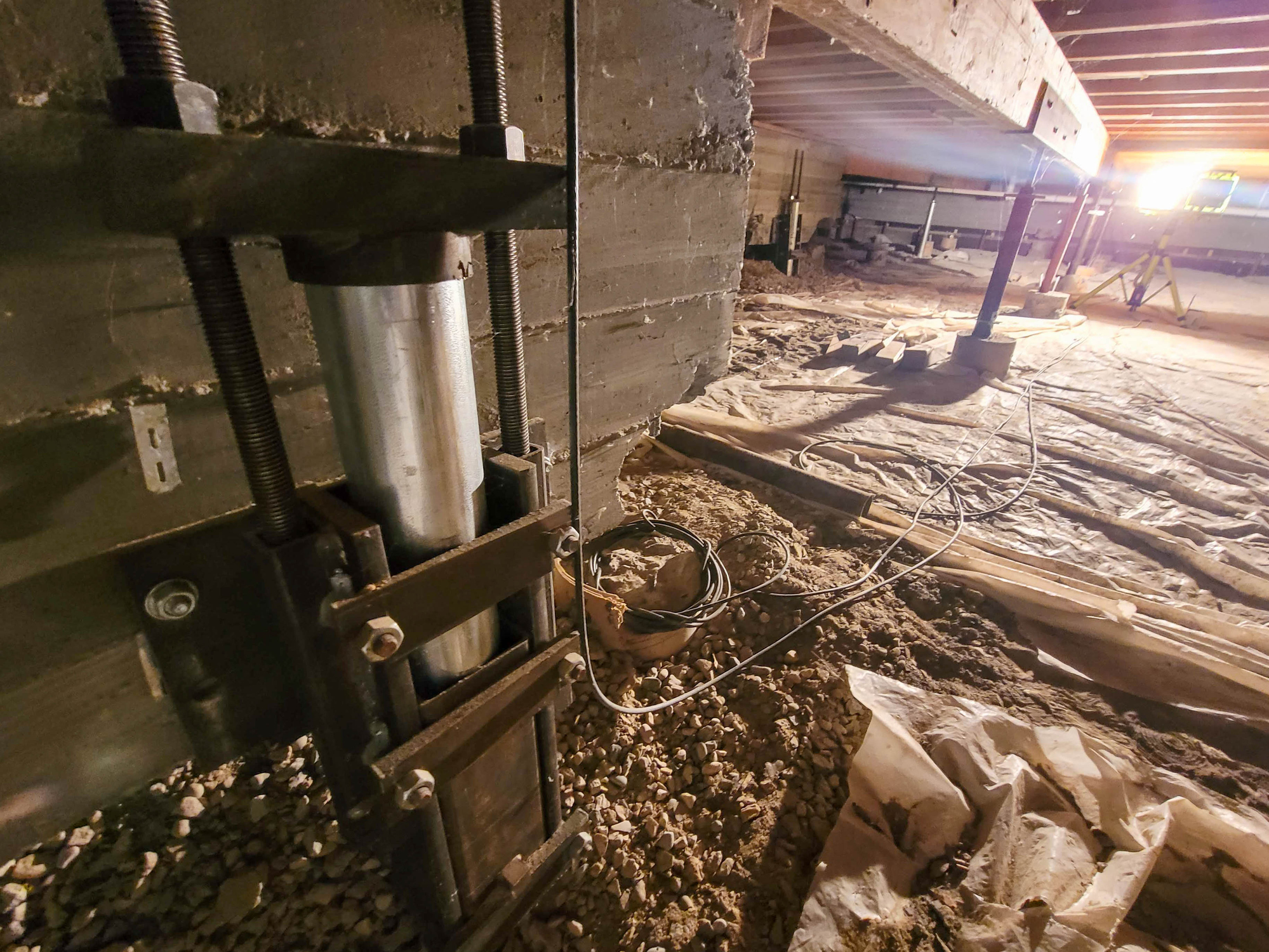
Steps in Basement Lowering
Before you start digging, here are some steps you need to consider:
- Get a Professional Assessment: Can you dig your basement deeper? The right answer comes from a structural engineer. They’ll examine your home’s layout and soil conditions, making sure the dig-out won’t compromise structural integrity.
- Plan and Design: Collaborate with an engineer for detailed plans. This isn’t just about adding square footage; it’s about doing it right. You need blueprints that account for drainage, ceiling height, and support beams. A solid plan saves headaches later.
- Obtain Permits: Ensure all legal basics before starting. Basement lowering isn’t a free-for-all. You’ll need permits from the city, verifying that your project aligns with local building codes. This step keeps everything above board and prevents costly fines.
- Excavate Safely: Follow safe excavation practices. Digging deeper means heavier equipment and potential risks. Safety protocols are non-negotiable. Protect both workers and property by adhering to guidelines, ensuring everyone goes home safe.
- Stabilize the Foundation: Reinforce your home’s base. As dirt comes out, stability becomes your top priority. Adding underpinning or strengthening walls guards against future settling. This is foundational insurance for your house’s future.
Converting Crawlspace to Basement
Crawlspace conversions can dramatically enhance your home’s functionality. But before you start dreaming of extra rooms and increased square footage, consider the feasibility. Not every home can easily transition from a crawlspace to a full basement. Rope in a Denver structural engineer right off the bat. They’ll assess if your home’s structure can handle the additional demands, setting a solid foundation for your project.
Understanding costs is another critical step. Familiarize yourself with the going rate for a structural engineer in Denver. Rates fluctuate, aligning with project complexity and the specific challenges your home presents. A detailed cost estimate from an engineer helps in setting realistic budget expectations and avoiding surprise expenses down the line.
For a more in-depth look at what a crawlspace conversion entails, look into Gold’s Concrete Blog, “Assessing The Feasibility of a Crawlspace Conversion”. Their expertise can paint a clearer picture and equip you with the necessary knowledge to make informed decisions.
Factors Influencing Costs
When planning to hire a structural engineer in Denver, budget is naturally on your mind. But pricing isn’t always straightforward. Several variables come into play:
- Project Complexity: The more intricate your dig-out, the heftier the fee. A simple depth increase is less complex than adding new rooms or amenities.
- Home Age: Older homes might hide surprises, requiring more detailed engineering analysis and thus pushing costs up. They often need reinforcements or special adjustments, too.
- Location and Experience: Denver neighborhoods aren’t created equal. An engineer’s rate can shift based on district zoning and local code requirements. Furthermore, seasoned experts tend to charge more for their seasoned insights. They are often worth the investment for their keen eye on potential pitfalls.
These factors combined will shape your overall expenditure. Being informed can prevent sticker shock and help you allocate resources smartly.

Historic Home Renovation Challenges
Renovating a historic home comes with unique hurdles that require delicate handling. The charm of these homes lies in their age and character, making preservation of their original features a top priority. A Denver structural engineer will ensure that any upgrades, like deepening the basement, respect the home’s original look and feel. This often means integrating modern solutions in a way that doesn’t disrupt the historic aesthetic.
Navigating code requirements is another challenge. Historic homes are often subject to specific regulations aimed at preserving their historical significance. Engineers must balance these codes with the technical demands of structural updates. This requires a detailed assessment to ensure that all construction work complies with both preservation standards and modern building codes.
Detailed assessments are crucial. They help identify and plan for the idiosyncrasies that are a hallmark of historic homes. A structural engineer can spot potential issues unique to older homes, such as outdated or deteriorated materials. By addressing these challenges early, you can preserve the home’s integrity while successfully executing the renovation.
Foundation Stabilization Importance
Foundation stabilization is crucial. Here’s why:
- Prevents Shifts: Excavating beneath an old home can lead to instability if not done correctly. Stabilizing the foundation is like setting a strong anchor. It keeps your home steady, ensuring it doesn’t settle unevenly or shift over time. Without it, you might find cracks sneaking up your walls, doors refusing to shut, or worse, structural damages.
- Protects Investment: You’re pouring time and money into this renovation. Foundation stabilization is part of protecting that investment. It guarantees that the extra living space remains safe and functional. It’s the assurance that your effort pays off not just for now, but for years down the road.
- Long-Term Savings: While it might add to the upfront cost, investing in foundation stabilization can spare you from hefty repair bills in the future. Think of it as proactive maintenance. It minimizes risk, essentially putting money back in your pocket by preventing expensive ‘oops’ moments later. Foundation problems aren’t cheap to fix and getting it right from the start is a smart financial move.
Residential Structural Engineers: Not a Mere Formality
Many think hiring a structural engineer is just a formality, but it’s not:
- Critical Insight: Offers solutions you might not consider. When tearing into an old basement, surprises are the only certainty. Structural engineers map out these hidden pitfalls before you hit them, making unforeseen issues less likely to sabotage your project.
- Risk Reduction: Prevents costly errors and potential hazards. A misplaced dig can lead to a collapsing wall or water seepage. These types of disaster scenarios are avoidable. An engineer assesses risks, drawing up plans to circumvent costly consequences.
- Value Addition: Enhances the overall value of your home. Beyond just hammers and nails, structural engineers offer reassurance that your home won’t just stand but thrive under newly altered conditions, giving you peace of mind and adding dollars to your home value.
Preparing for Basement Excavation
Ready to start your basement excavation? Here’s what you need to do:
- Choose the Right Experts: First off, hiring the right people is crucial. You’ll want seasoned engineers and contractors who know Denver’s soil and building dynamics like the back of their hand. Check credentials, ask for references, and don’t skimp here, quality expertise pays off in avoiding future headaches.
- Set a Realistic Budget: Next, get your numbers in order. Factor in everything from structural engineering fees to excavation costs, and don’t forget permits. Be mindful of a contingency fund; surprises lurk, especially in older homes. An itemized budget keeps expectations grounded.
- Plan for Disruptions: Brace yourself for the chaos. Basements fill with dust, noise, and workers. It’s a good idea to have a temporary living plan if construction collides with daily life too much. Anticipate hurdles, it keeps frustration at bay and the process on track.
For more on the hidden codes you need to be aware of when digging out a basement, visit “Digging Out A Basement In Denver: Hidden Code & Engineer Needs”. Old home dig-outs can transform and add value to your home. However, it’s essential to approach the project with the help of a Denver structural engineer. They ensure your project is safe, compliant, and worth every penny spent. Don’t skip professional advice, it could save you time and money in the long run. Embrace the challenge with informed decisions and expert guidance, knowing your investment is in capable hands. A well-executed renovation doesn’t just enhance your living space; it preserves your home’s integrity for years to come.