

by Luke Cronin
Share
by Luke Cronin
Share

Foundation repair is a crucial step in maintaining the structural integrity of your home. If you’re living in Denver, you may already know how common foundation issues can be due to the region’s varying soil conditions. It’s essential to have the right information before diving into a Denver foundation repair project. Let’s explore the key facts you need to know.
Understanding Denver Foundation Repair
Foundation repair, simply put, involves restoring a building’s foundation to its original level of structural integrity. This can include a range of solutions like underpinning, slab jacking, or the installation of piers, depending on the nature of the problem. Each approach addresses different types of issues, from minor cracks to severe settlement.
In Denver, the challenges with foundation repair are rooted in the region’s unique soil conditions. The ground here is often a mix of expansive clay, sandy soils, and bedrock. This creates a prone-to-shift environment. When the expansive clays get wet, they swell, and as they dry, they shrink. This constant expansion and contraction can lead to significant stress on foundations, causing them to crack or move. With these soil dynamics at play, it’s essential for any homeowner in Denver to be aware of how their foundation might respond and what repairs might be necessary. Understanding these specific challenges helps set realistic expectations and informs decisions about the most suitable repair methods for both immediate issues and long-term health of a home’s foundation.
Common Foundation Problems in Denver
Foundation woes in Denver often manifest as:
- Cracks in walls
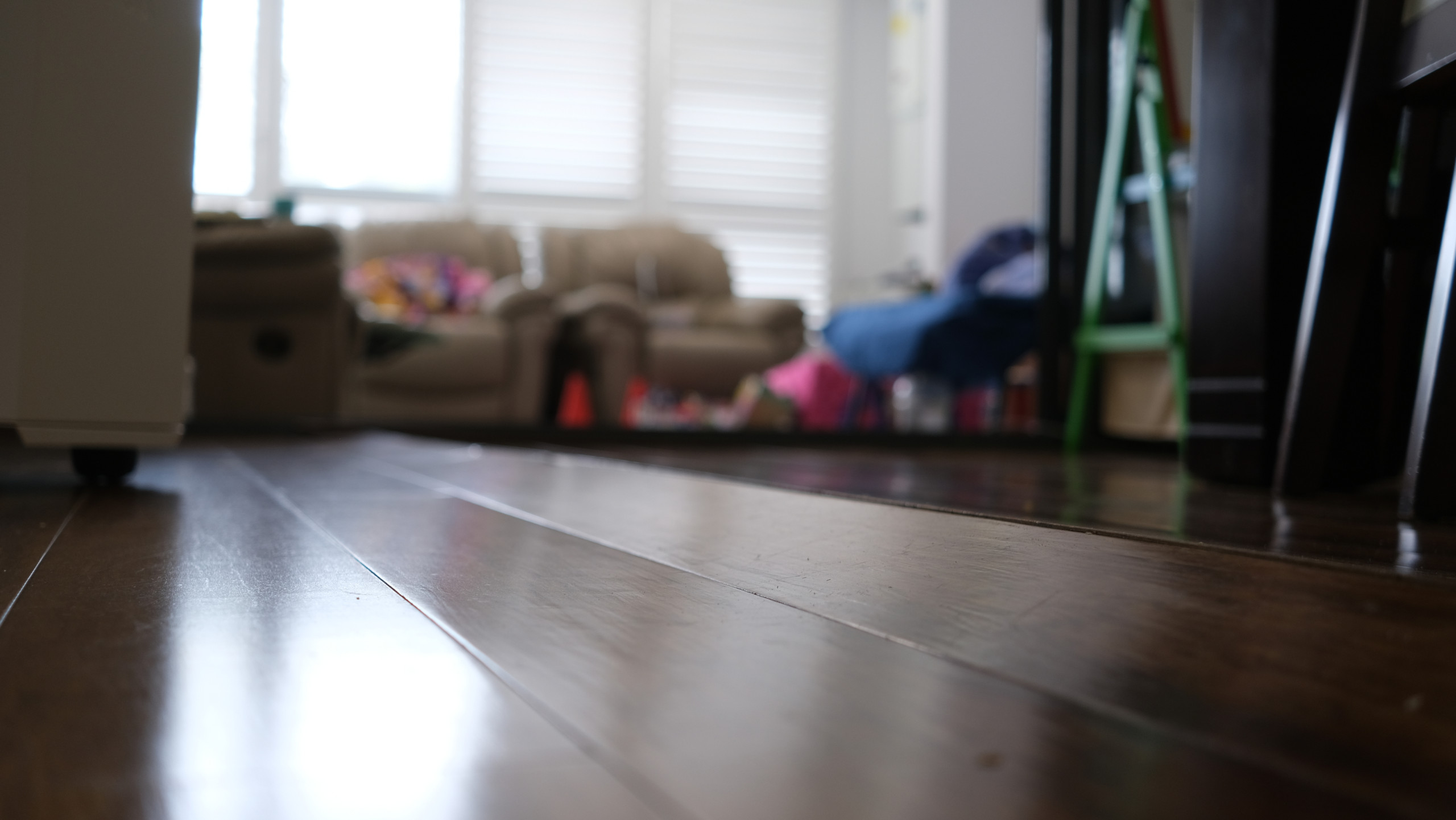
- Uneven floors
- Doors that refuse to open and close properly
These symptoms might appear everyday, but they aren’t just cosmetic grievances; they’re red flags signaling deeper issues below the surface.
The Underlying Issue: Denver’s Soil
The culprit, more often than not, is Denver’s notoriously fickle soil. The city’s alternation between expansive clay soils and sandy, loose grounds can wreak havoc on a home’s foundation. Here’s why:
- Moisture Variation: Soil in Denver swells when wet and shrinks during dry spells.
- Shifting and Settling: This movement puts stress on your foundation, causing it to crack or even sink over time.
When to Take Action
If you’re seeing these signs, it might be time to take action. For a deeper dive into these problems, “Signs Your Foundation Needs Repairs” is a valuable resource, detailing the tell-tale signs that spell trouble for your home’s structural base.
Signs It’s Time for a Foundation Inspection
Ensuring your home stands the test of time requires regular checks on its foundation. But how do you know when it’s time for an inspection? Here are some signs to watch for:
Common Triggers for Foundation Inspections
- Visible Cracks: Look for cracks in walls or floors.
- Sticky Doors and Windows: Ensure doors and windows open and close without sticking.
- Uneven Floors: Notice if floors feel sloped or uneven.
- Musty Smell: A persistent musty scent in the basement could indicate moisture issues affecting your foundation.
Types of Inspections
When these signs appear, consult a structural engineer for a foundation check. There are two main types of inspections you might encounter:
- Visual Inspection
- Specialists look for visible signs of damage such as cracks, tilts, and shifts.
- Structural Inspection
- Involves precise measurements and an assessment of the soil conditions beneath the foundation for a detailed evaluation.
Why Early Action Matters
Taking action early when you notice these signs can save time, money, and stress in the long run. It’s all about being proactive rather than reactive, a strategy that never goes out of style for maintaining your home.
The Role of Foundation Contractors
Foundation contractors play a pivotal role in ensuring the success of your Denver foundation repair project. Essentially, they are the ones who execute the necessary actions to stabilize and restore your home’s foundation. Their expertise lies in understanding the complexities of varying soil conditions and structural issues, especially relevant in a city like Denver with its unique challenges.
Choosing the right contractor is crucial. Start by checking their credentials and ensuring they have experience specifically with Denver’s soil and climate. Look for contractors with a solid reputation and proven track record, ideally evidenced by reviews or testimonials from previous clients. It’s also wise to verify their licenses and insurance coverage, which protect you from liability and ensure compliance with local building codes.
Communication is key. A reliable contractor will take the time to explain the process, answer your questions, and offer a detailed estimate before any work begins. This transparency helps set realistic expectations regarding timelines, costs, and possible disruptions. Remember, the cheapest option isn’t always the best. Focus on value and the quality of work to ensure a durable and lasting solution to your foundation issues.

Why You Need a Structural Engineer
Involving a structural engineer in your foundation repair process isn’t just smart, it’s essential. When foundation troubles arise, their expertise ensures the solutions are both safe and effective. Structural engineers bring precision and a keen eye to the table, able to diagnose underlying issues that might evade even seasoned contractors.
These engineers’ role goes beyond mere inspection. They craft tailored solutions that target your home’s specific needs, considering Denver’s notorious soil challenges. Their involvement is crucial, especially at key decision points. For example, if you’ve noticed significant cracks or uneven floors, you’ll benefit from their assessment before any repair work begins. They provide an unbiased perspective, focusing on safety and suitability rather than quick fixes.
Referencing Cronin’s insights can shed light on “When You Need An Engineer, Not Sales Teams”. In essence, integrating a structural engineer in your repair strategy ensures that your home remains a fortress, not just patched up but robust and reliable against future issues.
How to Prepare for Foundation Repair
Before you embark on a Denver foundation repair journey, a bit of prep work on your end can smooth the process and safeguard your home. Take these practical steps to ensure you’re all set and to minimize disruption when contractors arrive.
First, clear the work area. If your repair includes interior access, move any furniture, rugs, or precious belongings away from walls that require work. Yes, it sounds like common sense, but it’s often overlooked. This will not only protect your items from dust and damage but also provide a clear path for contractors to do their job efficiently.
Next, switch your focus outdoors. Trim back any overgrown bushes or trees near the foundation. This is crucial because these may impede the repair process or could potentially damage tools or materials. Additionally, remove any objects that are close to the foundation, like exterior furniture or decor, to provide a safe and accessible working environment.
Consider the impact on your utilities. Some repairs might require temporary disconnection of services like water or electricity. It’s best to clarify with your contractor if this will be the case so you can plan accordingly, especially if you’re working from home or have special requirements.
Lastly, ponder the impact on daily life. Foundation repairs can be noisy and, at times, messy. If the schedule allows, it may be wise to make temporary arrangements for children or pets to prevent undue stress, on them and on you.
Preparation often determines how smooth the repair process will go. Follow these simple steps, and you’ll not only make the contractors’ job easier but also protect your property and maintain your peace of mind during the project.

Costs Involved in Denver Foundation Repair’s
Foundation repair costs in Denver can vary significantly, but understanding the typical range and what influences these expenses is crucial for budgeting and planning. Generally, homeowners can expect to spend anywhere from $3,000 to $60,000, though complex repairs might exceed this range.
Several factors can influence the cost. The size and type of your home’s foundation, such as slab or basement, play a significant role. The extent of the damage is another critical component. Minor cracking and slight settling will cost significantly less to correct than severe structural issues. The specific repair method chosen, whether it’s underpinning, mudjacking, or using helical piers, will also affect pricing. Additionally, local labor costs and material prices can swing your expenses either upward or downward.
Fortunately, there are financial assistance options available. Some government programs offer support for necessary home repairs, and many foundation repair companies provide financing plans to spread out the cost. Homeowners should also check with their insurance providers to see if their policies might cover foundation damage, particularly if it’s caused by events like flooding or earthquakes. Understanding these cost variables and exploring financial strategies can alleviate the burden of foundation repair, ensuring both your peace of mind and the structural soundness of your home.
How to Choose the Right Time for a Denver Foundation Repair
Timing is everything, especially in foundation repair, where Denver’s unpredictable climate plays a significant role. The ideal period to tackle foundation repairs is usually between late spring and early fall. During these months, the ground is more stable due to moisture levels, which can ease the repair process.
Weather conditions are a crucial factor. In Denver, harsh winters bring frozen ground, making excavation harder. Conversely, the summer heat can dry out the soil, causing it to contract and potentially warp newly-installed foundations. Aim for moderate weather conditions where neither extreme is dominating, these provide the best environment for repair work.
Additionally, consider aligning repair schedules with any planned renovations to save on costs and time. By carefully picking the season, you ensure not only the longevity of the repair work but also a smoother process overall.
Foundation Settling: What to Expect
Foundation settling is a natural process where your house sinks slightly into the ground over time. This happens as the soil beneath it compresses due to the weight of the structure. A little movement is normal, especially in a city like Denver, where soil conditions are prone to shifting. However, it’s important to differentiate between benign settling and serious foundation issues that might need immediate attention.
Natural settling will cause minor changes over the years, like slight cracks in your drywall or hairline fractures in your basement floor. These signs are usually not worrisome and often require little more than cosmetic fixes. On the other hand, problematic foundation issues could indicate that the settling has gone too far. Symptoms like large cracks in the foundation walls, doors that jam, or windows that no longer open properly could suggest significant structural concerns.
Identifying the difference early on can save you from costly repairs down the line. Regular inspections and monitoring help ensure that natural settling doesn’t evolve into a more serious problem, safeguarding both your investment and safety.
Conclusion
In the sprawling landscape of Denver, understanding the nuances of foundation repair isn’t just beneficial, it’s essential. This guide highlights the critical aspects of maintaining your home’s foundation integrity by addressing the challenges posed by the region’s varying soil conditions. From spotting early signs of damage to engaging competent professionals, the journey of foundation repair involves informed decision-making at every stage.
Key Points to Remember
- Vigilance for Red Flags:
Be on the lookout for potential warning signs such as cracks or uneven floors. Ignoring these symptoms can lead to more extensive and costly issues over time. - Regular Inspections:
Regular inspections are invaluable. They serve as your first line of defense for catching problems before they escalate. - Engaging Professionals:
Working with skilled contractors and structural engineers ensures effective repairs and the long-term health of your home. Their expertise is critical for navigating complex repairs.
Proactive Strategies
- Arm Yourself with Knowledge:
Understanding the foundation repair process allows you to make informed decisions about your home. - Choose Allies Wisely:
Select experienced professionals to assist you in maintaining your house’s structural integrity. - Swift Action:
Don’t hesitate to act when necessary. Being proactive can help safeguard your home, minimize costs, and ensure peace of mind.
By staying informed and proactive, you can effectively maintain your home’s foundation, ensuring your sanctuary remains strong for years to come.